On Wednesday, West Bengal quickly increased the severity of its cow slaughter law and started to stop illegal cattle trading. A new instruction is changing how traders, local governments, and the police do things every day. The government led by the BJP said that the 1950 law and the 2018 ruling by the Calcutta High Court are the reasons for immediately starting to enforce the rules.
What changes immediately on the ground
You can’t kill cows or buffaloes without a valid paper saying the animal is okay to be killed, the new rules say. Killing is only allowed to happen at official slaughterhouses, and it is absolutely not allowed to kill animals in public.
The rules also give official people the power to check places and make sure they are following the rules throughout each district. Breaking the rules could result in a prison sentence, a fine, or both, which is intended to strongly discourage people from operating without a license.
The notice outlines immediate operational guardrails:
– Certification is mandatory before any slaughter
– Only authorised slaughterhouses may operate
– Officials are empowered to inspect facilities
– Open public slaughter is prohibited
Who can certify and under what conditions
The state has made it clear that getting approval is done together. Only the head of a municipality or the head of a local council (panchayat samiti) and a government vet can officially say an animal is suitable for slaughter.
This joint decision has to be written down, and it’s only for certain situations. The order says an animal can only be approved if it is over 14 years old and unable to work or have babies, or if it is permanently disabled due to its age, an injury, a physical problem, or a disease that can’t be cured.
Appeals and documentation
If the approval is not given, people can make a formal request for a review within two weeks. This appeals process adds extra steps to the procedure, but allows the police to continue to enforce the law.
Legal footing and penalties
The state has based this initiative on the West Bengal Animal Slaughter Control Act of 1950 and made it fit with a 2018 Calcutta High Court order. This legal foundation clears up any confusion about who has the authority to approve and enforce these rules.
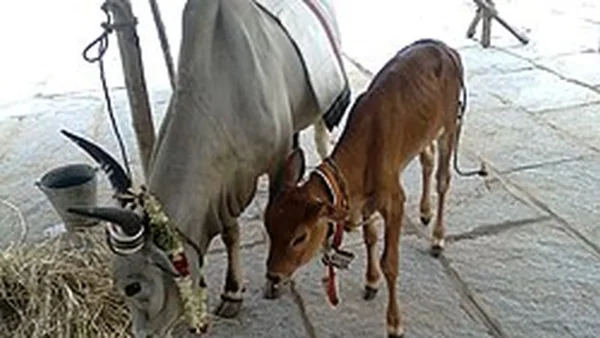
The punishments are clearly stated. The rules warn that breaking them can mean up to six months in jail, a fine of up to 1,000 rupees, or both. The order specifies that the animals involved are bulls, bullocks, cows, calves, male and female buffaloes, buffalo calves and castrated buffaloes.
Crackdown on illegal trade and extortion networks
Besides the approval process, the government has told the heads of police to have absolutely no tolerance for illegal cow slaughter or unauthorized cattle markets. The instruction refers to long-term worries about cattle smuggling and the related demands for money by criminals, which have been the main topics of discussion in politics and administration for years.
Enforcement won’t only be at markets. Officials said they will also take strong action against illegal slaughterhouses. The order also connects following the rules to general law and order, and says to take action against illegal mining, while making sure that mining and cattle trading that is allowed and legal can continue without problems.
This method makes the whole system of supply, from moving the animals and the market activity to the actual slaughter, much more tightly controlled. It shows that places that aren’t registered and people in the middle who try to avoid getting approval will be looked at closely.
Why it matters and what comes next
For those who buy and sell cattle, move them, and run meat businesses, this means it will cost more if they don’t follow the rules and they will have to have official paperwork at several points. For municipalities and local councils, it means more administrative work and having veterinary checks as a central part of how markets work.
In the next few weeks, how well this crackdown works will depend on the inspections, how long it takes to get approval, and how appeals are dealt with. How quickly local governments and veterinary services work together will likely determine how much disruption there is to the legal cattle trade.
The government has presented this to the public as a law and order measure to stop illegal activity, and has set out the conditions for legal slaughter. With clearly defined punishments and increased powers for inspections, the state has warned traders and market operators that enforcement will be very closely monitored.