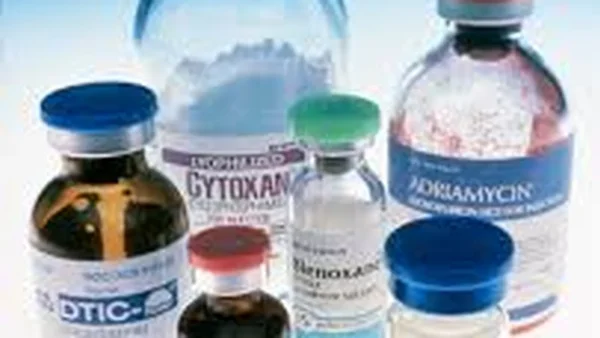
For a lot of patients in India, getting the chemotherapy they need is becoming harder as these drugs go out of stock. It’s a mix of high platinum costs and hiccups in imports. Government and other hospitals have a hard time keeping them in inventory, which means families are left to make last-minute, nerve-wracking runs for their medicine.
Patients face delays and detours
Take Kumar Ajit. To him, every dose has become a matter of timing. He put in over a week of phone calls to a host of pharmacies to find the cisplatin his 70-year-old mother needs for her liver cancer. He did manage to get some from New Delhi and have it sent to his village in Bihar. But even so, he didn’t end up with the full dosage he wanted. And now he is left with the niggling question of where he will turn for the next one.
Hospitals and distributors raise alarm
What Ajit went through is par for the course these days. Rajiv Singhal, who is general secretary of the All India Organisation of Chemists and Druggists, says we’ve had a supply problem for two months and it has only been more of an issue in the past fortnight.
Singhal, speaking for 1.24 million members, says the drug companies have been on the line to voice their concerns. Pavan Kumar, a distributor in Hyderabad, gets roughly 10 calls a day from people looking for a way to get their hands on cisplatin.
Why the shelves are empty
India has to bring in its platinum, and that pipeline from places like South Africa is not what it used to be, according to those in the know. Add in some Middle East conflict and you have a recipe for higher prices and fewer supplies. The metal is in vogue because it is being used in cars in place of palladium, and with mine output limited and inventories down, the price has been on a run. We are looking at a fourth year of market deficits if the trend holds.
Where drugmakers stand
You have your Cipla and Intas, and then there are the oncology types like Naprod Life Sciences and Venus Remedies making the bulk of this chemo. But when the raw material is hard to come by and not cheap, it doesn’t matter how good your local production is – the finished product is in short supply.
Pressure on treatment plans
If you ask a doctor, a good 25 per cent of chemo patients in India are on a platinum-based regimen. So when there is a lull in supply, it ripples through the system, in public and private wards alike. Mintu Mathew Abraham, an oncologist in Kerala, puts it bluntly: these are the backbone of what we do. Without them, you can’t treat the patient. One vial you can’t find and the whole schedule is in jeopardy. This is what the people on the ground are telling us: – A two-month run of tight supplies for oncology injectables – Things have been worse in the last 14 days – Distributors say they just can’t put together the stock – 10 or so calls a day from patients wanting cisplatin – At least a quarter of the patient base is on these drugs
What patients can do now
When you can’t get what you need locally, you have to look further afield. Families are making calls across town or even state lines to fill in the blanks between treatments. It is a drain on time and money, but as with Ajit, sometimes you have no choice if you want to get the dose in on time. It is a global issue, really. The executives and doctors will tell you the strain on Indian shelves isn’t going to let up until the flow of platinum and the cost of it sort themselves out. In the meantime, it’s about finding the next vial before it’s too late. You can see the toll of the wait in every worried call to a chemist. These aren’t extras; for lung, ovarian and gall bladder cancer, they are first-line. When you read about a shortage, it’s a case of the supply chain being as much a part of survival as the medicine is. Ajit is already counting down to the next infusion. He has the medicine for today. What happens after that is anyone’s guess.