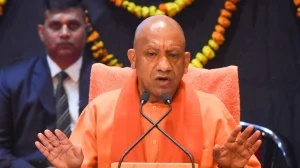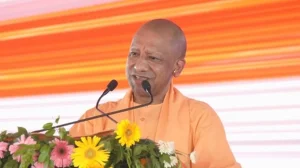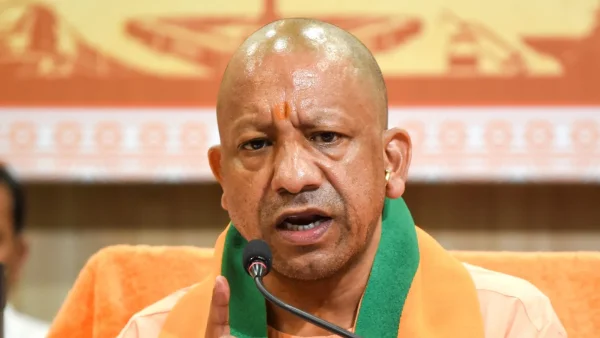
You could say UP is making a strong show in the rural broadband game. When Yogi Adityanath, the Chief Minister, set out the project in Lucknow, he made of it a move away from the revdi way of life and toward self-reliance. The idea is to have that last-mile fibre be the foundation for a quicker kind of development, one that brings in new jobs and services to the state.
We are talking about getting fibre to some 20 lakh or so families, and we will see that in the first phase across 21 districts. The word from officials is to make sure every nyaya panchayat has access, to make our village panchayats a little smarter by opening up e-services and the like.
For this first leg of the project, the authorities have laid out their priorities:
– Make 21 districts our focus
– Put 20 lakh or so families on to broadband
– Have 8,000 to 10,000 Digital Service Providers ready to go
– See to it that 50 per cent of them are women
For Adityanath, you can’t have growth without good broadband. He put it down to the fact that the problem is usually the last mile, and we need to be thorough in how we tie in the gram and nyaya panchayats – not just with the wire but with the kind of services that matter to people.
In a note after the event, he put in a word of thanks to the State Transformation Commission, the IT and Electronics Department and the Hinduja Group. He sees this as a way to further the Digital India agenda and give some heft to the ideas of Viksit and Atmanirbhar Bharat.
At its core: entrepreneurship, not entitlements
The state isn’t going to hand out broadband as a freebie. Instead, they are setting up a cadre of Digital Service Providers to put in the local networks and handle things on the ground. They have a plan to get 8 to 10 thousand of them ready, with young people being put through their paces to run these enterprises.
Women are right in the middle of this. We want to see 50 per cent of our entrepreneurs be women. These DSPs will be the ones to link up the homes in their patch, while at the same time putting in place telemedicine, e-governance and the rest.
The Chief Minister was clear: you have to be self-reliant and not be dependent on the state. If you want to be sustainable, you have to let go of the revdi attitude and get into the business of building something.
A public-private template for rural connectivity
The Hinduja Group is on board to back Project GANGA, on a no profit, no loss arrangement. State men call it a fresh take on digital entrepreneurship for rural UP, not your typical broadband push.
Down the line, if all goes to plan, you will have 57 thousand gram panchayats and some 8 thousand nyaya panchayats under the project’s umbrella.
You can’t have a statewide impact from what the pilots show unless you put in some scale. That’s what makes this so important for UP to be seen as the standard for rural digital delivery.
Jobs and skills are part of the network
We’ve made sure employment is at the heart of the design. The 2026-27 budget has put up the backing for 8,000 digital entrepreneurs – half of them women – and the government has made no secret of tying that to Project GANGA. Put simply, we’re after over a lakh in direct and indirect jobs.
Adityanath has been on top of it, calling for no-nonsense selection and training. He’s told his people to make sure DSPs get the kind of technical and business know-how they need to run a good operation. And with the CM Yuva scheme, there’s an added incentive: young folks can get interest-free loans for as much as Rs 5 lakh.
If you look at the last nine years of work – e-Office, DBT, BC Sakhi, Gram Sachivalaya – Project GANGA is the logical next move. We are done with just putting back-end processes on a computer; now it’s about giving front-line access to the villages where it’s still hard to get a signal.
Governance to the doorstep
The idea is that with broadband in place, you open the door to telemedicine, e-governance, online schooling, and even smart farming. Both Finance Minister Suresh Kumar Khanna and IT Minister Sunil Kumar Sharma see it as the bedrock for some real change.
By making entrepreneurship the anchor, the government is of the mind that local operators will do a better job of keeping the network alive and growing than if we did it all from the state side. It’s in line with the Chief Minister’s view on weaning people off subsidies.
What to keep an eye on
It will come down to execution. Can we put a hard line of connectivity into the village and nyaya panchayats? How well are we training and supporting the DSPs? The way we handle the 21 pilot districts will tell us if we can roll this out across the state.
Then there’s the question of whether the DSPs can make those fibre links mean something to the user, be it for a doctor’s visit or a child’s class. As Adityanath put it when he launched the project: faster internet means faster development. That’s how we’ll be held to account.
In the end, UP is trying to be more than just a place with bandwidth. We want a rural digital economy that sticks. If this model of putting jobs and services in one package works, it may well change the way other states do things.