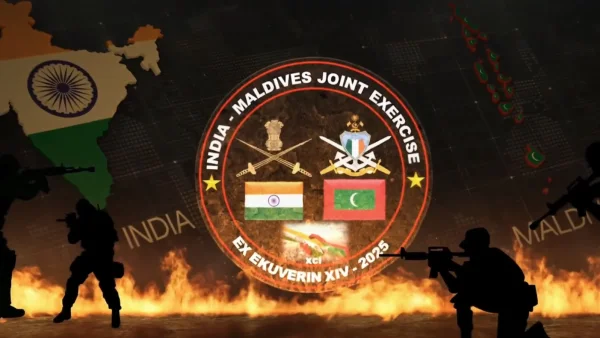
The exercise, Ekuverin, started in Thiruvananthapuram, Kerala on Tuesday and will last for two weeks, with the goal of improving the ability of both countries to work together when dealing with insurgencies and terrorism in jungles, semi-urban locations, and on the coast.
Forty-five members of the Indian Army (from the Garhwal Rifles battalion of the Southern Command) and an equal number from the Maldives National Defence Force are taking part. This equal number of personnel shows the partnership and shared learning that is at the heart of the exercise.
A mission built on interoperability
“Ekuverin” means “friends” in Dhivehi, which is a very appropriate name for an exercise between two countries that rely on each other and work well together, and the exercise is focused on improving how they operate as one unit. The soldiers will share the best ways of doing things, practice and improve their tactical methods, and make plans for joint operations to improve their ability to deal with shared security problems in the Indian Ocean.
This year, a lot of attention is being given to using specialized technology to make the two armies work even more smoothly together. The realistic situations, covering many different kinds of land, are meant to make the groups work better as a team, make decisions quickly, and have clear ways of communicating during difficult, high-pressure operations, including stopping activity on the coast and protecting towns.
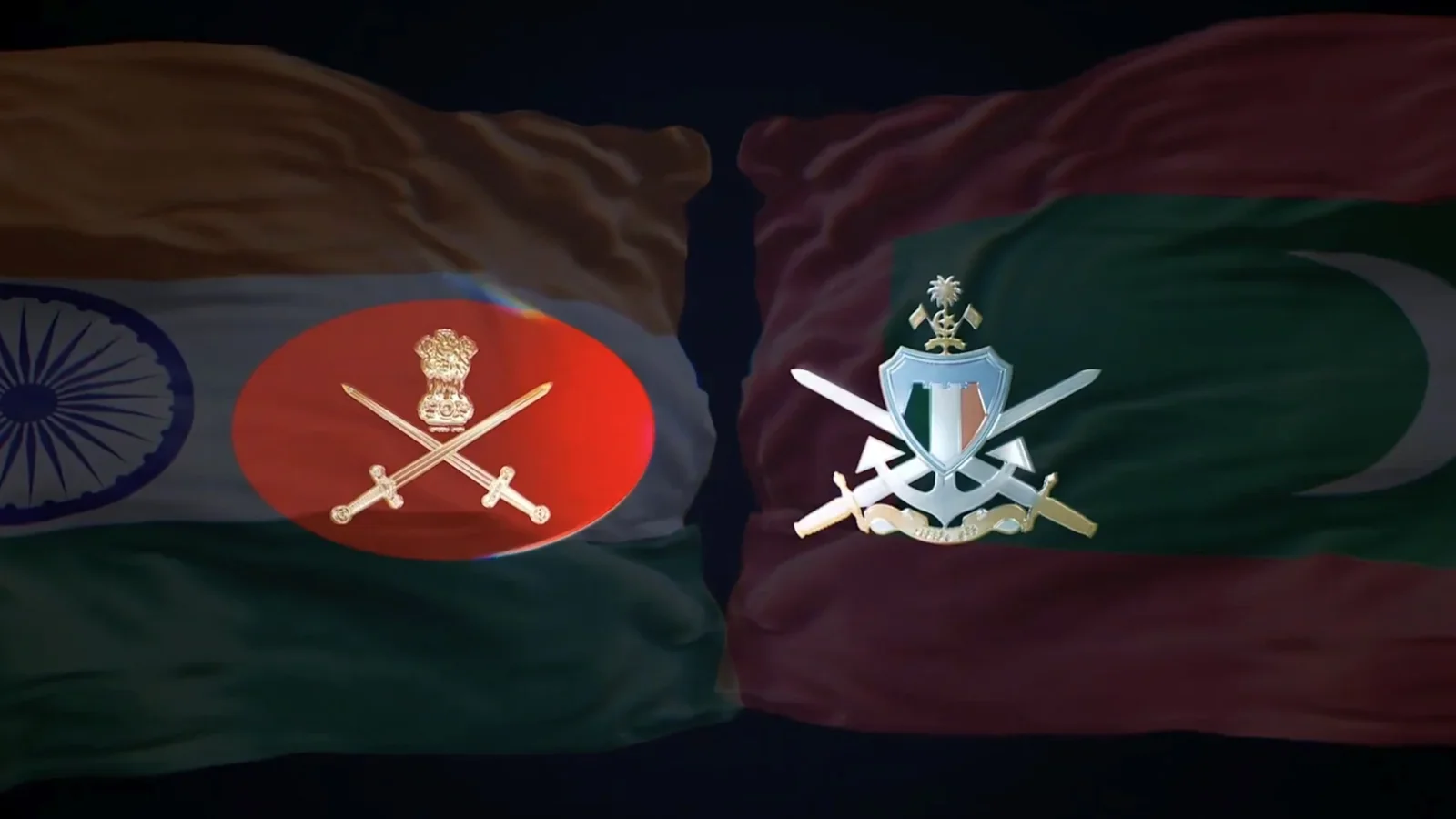
Scope and structure of the training
Though the exercise isn’re huge, it’s very thorough. The teams will practice working together when something happens, plan missions together, and then review what happened afterwards to learn from it. This kind of interaction makes their usual procedures more efficient and makes sure both armies can act perfectly in sync when needed.
The training includes practice dealing with terrorism and insurgencies in jungles, partially built-up areas, and on the coast. These scenarios are designed to be like the complicated situations often found in the region, and focus on responding quickly, being accurate, and avoiding harm to people who aren’t involved.
A steady pillar of India-Maldives defence cooperation
Ekuverin has been held in both India and the Maldives, in turns, since 2009, and has become a reliable way for the two countries to cooperate on defence matters. It is a clear and visible demonstration of India’s “Neighborhood First” policy (prioritizing relationships with nearby countries) and the commitment both countries share to peace and stability in the Indian Ocean area.
For both New Delhi (India’s capital) and Male (the capital of the Maldives), this isn’t just something they do every year. It makes their official relationships stronger, improves their combined abilities, and encourages communication between the armies that lasts even after the training has finished. This results in a security partnership that is more able to withstand difficulties and respond effectively.
Why Ekuverin matters now
Because of the current security situation in the region, it’s especially important to be prepared, coordinate actions, and trust each other. Exercises like Ekuverin help both forces get ready for threats from the land and the sea, including terrorism, insurgency, and complicated emergencies that require a fast and coordinated response.
By putting effort into training together and using technology to coordinate, the Indian Army and the Maldives National Defence Force are building up a “muscle memory” for real emergencies. This readiness could be the deciding factor in time-sensitive situations.
Part of a broader engagement matrix
Ekuverin is one of several ways India and the Maldives work together militarily, and ‘Ekatha’ is another bilateral exercise. They also work with Sri Lanka on ‘Dosti’ (friendship), which shows how the region is concentrating on combined security at sea and having ways to respond to events together.
All of these exercises together create a system of practical cooperation in a variety of areas, from fighting insurgencies on land to watching the seas and being ready to provide humanitarian aid. Every time they are done, they build up more familiarity and trust.
What to watch in the 2025 edition
This year’s exercise in Kerala puts a special focus on operations along the coast and being able to adapt to different types of land, and also incorporates specialized technology to improve how the two armies work together. Both sides will likely emphasize joint planning, communication, and accurate practice drills that can be used in actual missions.
As the two weeks of the exercise continue, the main idea is still to increase ability, refine strategies, and strengthen trust. With small, focused teams sharing their knowledge and experience, Ekuverin 2025 aims to produce significant improvements in defence cooperation between India and the Maldives.
The beginning of Ekuverin in Thiruvananthapuram shows a continuous effort with a clear purpose. By making sure their training matches the changing security needs, India and the Maldives are making their partnership, which is based on friendship, stronger and aiming for a safer and more stable Indian Ocean Region.