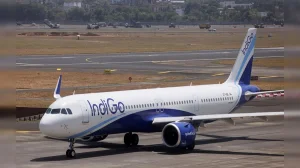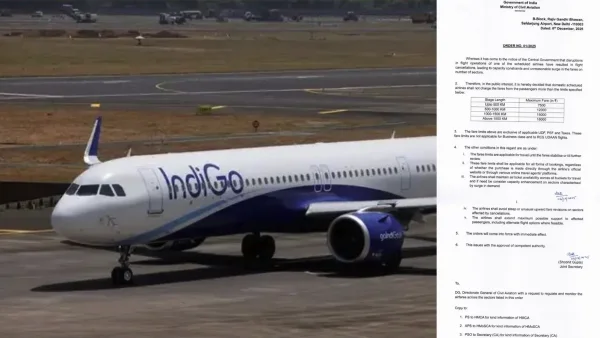
India acted quickly to make the wild swings in airfare stop after IndiGo cancelled hundreds of flights, which significantly reduced the number of seats available. This caused last-minute ticket prices to go up sharply on many routes. The government said these price increases weren’t fair and used its power to regulate to stop airlines from taking advantage of the situation.
How the airfare caps work
The price limits are based on how far you’re flying, and apply to economy tickets on all regular domestic airlines: up to 500 km will cost Rs 7,500, 500 to 1,000 km is Rs 12,000, 1,000 to 1,500 km is Rs 15,000, and over 1,500 km is Rs 18,000. These maximums don’t include airport fees (UDF), a passenger service fee (PSF), or taxes. They also don’t apply to business class or RCS-UDAN flights. The Ministry hasn’t said if ‘premium economy’ is included, but the limits are for standard economy.
Uniform across booking channels
These price ceilings apply to all ways of buying tickets, including the airline’s website, apps, phone lines, city ticket offices, and online travel agencies. Airlines have been told to have seats available at all price points within economy and to think about adding more flights on routes that are very busy.
Compliance and enforcement
The authorities will be checking prices all the time and working with airlines and booking sites to make sure everyone follows the rules. If an airline publishes or charges more than the maximum price, they will be told to fix it immediately. The price limits will stay in place until prices become normal or the government reviews the situation again.
Immediate relief for affected passengers
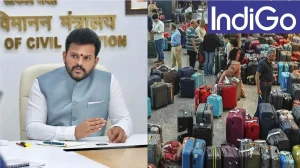
In addition to controlling prices, the government told IndiGo to have all refunds for cancelled or delayed flights processed by 8:00 PM on Sunday, December 7. IndiGo says it will automatically refund money to the original payment method for travel between December 5 and December 15, and will completely waive cancellation and change fees for bookings that have been affected.
IndiGo has also been told to find and deliver lost luggage to people’s homes or where they ask for it within 48 hours. If they don’t give refunds quickly or don’t do what they’ve been instructed to do, they could face penalties from the regulators.
Operational backdrop: staffing and safety norms
The main cause of the problem is a shortage of crew and stricter rules about how long pilots and flight attendants are allowed to work (Flight Duty Time Limitations or FDTL). The people in charge of overseeing the airlines have said they expect them to follow the rules, and have said the problem is that IndiGo didn’t plan well enough. Pilots have asked the authorities to only approve flight schedules if the airline has enough crew to fly them safely.
IndiGo has reduced how many flights it has planned for the near future and has asked for more time to get things completely back to normal. Because of the stricter work and rest rules and high demand, IndiGo’s system of having many flights a day is being challenged.
What travelers should do now
Before you book, check the price ranges to be sure they are within the maximums. If you want the price protection, fly economy; business class is not covered. Keep all receipts and any messages you have, in case you need to claim your money back or have fees removed. Keep a close watch on your flight and allow plenty of time at the airport. If your luggage is late, write down what was in it and how much it cost, for when you ask to be paid back.
Market implications
These price limits are a quick way to help customers, and they stop prices from going up too much while the airlines change their schedules and crew arrangements. For airlines, this means carefully managing how much money they make during a very busy time and they might get less money for tickets sold at the last minute. However, having predictable prices helps customers to continue to trust airlines and prevents people from rushing to book in a panic.
The regulators are also thinking about how the airlines are running things. The authorities might reduce the number of flights or the time slots that airlines can’t reliably staff, matching the number of flights to the number of crew available, to stop more problems.
What to watch next
How long the price limits will be in place depends on two things: a return to normal cancellation rates and stable prices on main routes. The government will review the situation once flights are on time more often and there are enough flights again. Until then, passengers should find prices are more predictable and it will be easier to get refunds.
In short, the price limit gives people immediate help with the IndiGo problems, and the regulators are pushing for the airlines to run better and to protect passengers. If airlines follow the rules and can get more flights up in the air, the skies over India should become calmer.