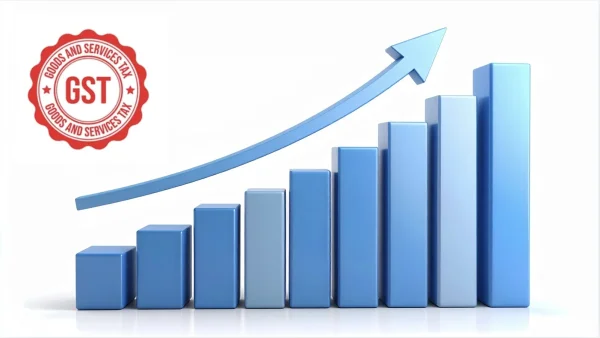
In October, India witnessed a hike in gross Goods and Services Tax (GST) collection to the tune of about Rs 1.96 lakh crore. This 4.6% growth was due largely to the surge in festive season spending, in spite of the recent reductions in GST rates on a plethora of items ranging from kitchen staples to electronics to automobiles. The decision to cut GST rates on 375 items was implemented on September 22, which was deemed to mark the auspicious beginning of Navratri.
Collection and Festive Spirit
Usually, this time of the year comes laden with festivity; with that comes consumer spending, thereby releasing pent-up demand-unfortunately, the rise of GST collections in October can be attributed to the festive spirit that always marks this time of the year. The announcement of an impending GST rate cut by Prime Minister Narendra Modi just before Diwali had resulted in consumers holding out on their purchase until the cut was realized. The simultaneous implementation of the rate cut and Navratri, in turn, opened a window for heightened economic activities.
Comparative Analysis
The October figures show a positive revenue-generating trend whereas the year-on-year growth stood at 4.6 per cent, much lower than the average of 9 per cent growth observed in earlier months. Gross sales revenue locally rose by nearly 2 per cent to touch Rs 1.45 lakh crore, whereas taxes collected on imports grew nearly 13 per cent to reach Rs 50,884 crore during October. However, GST refunds registered a significant increase of 39.6 per cent on a year-on-year basis, amounting to Rs 26,934 crore.
Net Revenue and the Road Ahead
With Rs 1.69 lakh crore, the net GST revenue collected for October reflects nearly 0.2 per cent growth on a year-on-year basis. More importantly, notwithstanding a slowdown in growth rate compared to the previous months, overall collection for October points towards the positive economic prospect touted during market gyrations and global uncertainties.
Finally, in view of the circumstances, we can contextualize India's GST collections for the month of October as resilient and adaptive to the transformation in market dynamics. The festive fervor, along with well-timed policy interventions, has helped keep revenue streams flowing and placed some consumer confidence back in the market. As the country traverses through economic challenges and offers some opportunities, such, observing future GST collections will indicate the trends in the fiscal geography and the market behavior patterns of the consumers themselves.