For over a hundred years, these Chola-era pieces have been in Dutch hands. Now they are back where they belong. The process has been anything but a formality; it’s the result of long-running talks with the Dutch and Leiden University. Indian officials have been clear: this is about the history, not just the optics.
Inside the Chola-era record
The plates are no ordinary find. They are some of the best-perved records of the Chola dynasty, put in place by Emperor Rajaraja Chola I in the late 900s. You have 21 large sheets and three smaller ones, all bound by a ring with the royal seal and coming in at nearly 30 kilos. The work is done in fine detail, as you would expect from something of such import.
What they tell us is of a time when South India was open to the world. The inscriptions lay out the giving of land and tax rights to a Buddhist monastery in Nagapattinam, built by a king from the Srivijaya kingdom in what is now Indonesia. To the scholars, it’s proof of the kind of religious and commercial cross-pollination that used to happen across the Indian Ocean.
How the plates travelled to Europe
It’s an interesting story of how they got to Europe. The general view is that they were taken in the 18th century while the Dutch were in charge of the Coromandel Coast. A man named Florentius Camper, a Dutch official, is said to have come by them through a Christian missionary. From there they made their way to Leiden in 1862 via the estate of a professor and were put in a vault, only to be let out for researchers who asked for them.
The policy shift and what comes next
In the meantime, the plates have had a life of their own. They’ve been pored over by epigraphists and even made an appearance in Ponniyin Selvan, the hit novel set in the Chola period. But it was only after the Netherlands put in place a new policy on colonial artefacts in 2022 that things really moved. An independent committee did the legwork and determined the plates should be sent home.
Key steps that cleared the path included:
– 2022 policy enabling returns of colonial-era artefacts
– Research confirming repatriation by Dutch committees and libraries
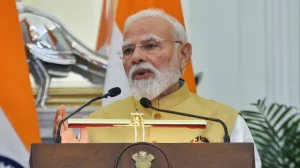
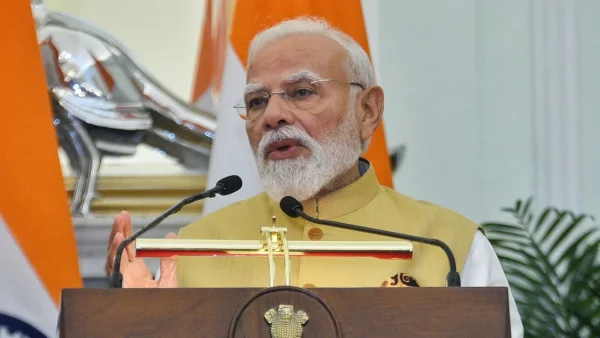
– Formal handover coinciding with Prime Minister Narendra Modi’s visit
When Ambassador Kumar Tuhin was in the Netherlands on May 5, he and Kurt de Belder got down to brass tacks on how to work together more, and Tuhin was given a look at the very plates that have been in Leiden since 1862.
Modi, for his part, made time to see the Indian community in The Hague and put in a good word for them. It’s a reminder of the diaspora’s part in keeping these ties strong.
Chola legacy in focus
Then you have the Cholas themselves. After Vijayalaya took Thanjavur in 850, they ran an empire of trade and great temples like the Brihadisvara, which is a Unesco site today. And under Rajendra Chola I, they put on a show of naval might in 1025. The plates are a piece of that world.
In the end, getting the Anaimangalam plates back is being hailed as a step forward for both countries. It’s a way of righting an old ledger, and with the kind of due diligence that was put into it, it makes for a good example of how to do business in the future.