They are looking into whether the war connected to Iran was a cause for the shooting attempt at the White House Correspondents’ Dinner, and this is making the investigation into why a gunman supposedly went after President Donald Trump on April and 25th more focused. A confidential intelligence report from the Department of Homeland Security points to the conflict as a possible reason, and it’s creating lots of questions about security that go far beyond just this one event.
DHS assesses Iran conflict as potential motive
A first assessment from the DHS Office of Intelligence Analysis, dated April 27th, says the conflict between the US and Iran could have played a part in the suspect’s decision to attack. This report, labeled as a Critical Incident Note, lists a number of social and political complaints the accused has.
According to this assessment, the suspect was critical of the US military’s actions against Iran, and he didn’t like how Washington was dealing with the crisis that had been going on for months. The document was sent to agencies at the state, local, and federal levels to make sure initial findings were consistent after a major issue with homeland security.
This note, which the non-profit organization Property of the People got through public records requests, is still just a first look. DHS wouldn’t say anything specific about it, only repeating that these reports let their partners know the most recent information after important events that affect homeland security.
Inside the foiled attack at the correspondents dinner
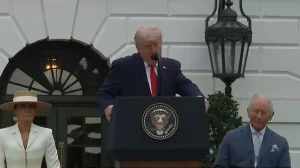
On April 25th, shots were fired near the main security check at the yearly White House Correspondents’ Dinner. President and First Lady Melania Trump, Vice President JD Vance, and many members of the President’s staff were quickly moved to safety.
Officials say the suspect tried to get away from the dinner hall after he fired the shots. He’s been charged with attempting to kill the President, with firing a gun while committing a crime, and with illegally carrying a gun and bullets across state lines.
On Tuesday, the Justice Department added another charge: attacking a federal agent. They say the suspect shot at a US Secret Service officer at a checkpoint. He hasn’t said whether he’s guilty or not yet.
What investigators are examining online
Investigators are carefully going through a Bluesky account linked to the suspect. In the weeks before the attack, this account shared a lot of things that were against Trump and criticized what the US was doing in Iran. Posts also criticized policy on immigration, Elon Musk, and the war in Ukraine.
A post from April 7th said Trump should be removed from office after what he said about Iran. And in a reply to a post by Tiffany Trump in 2024, officials looking at the account say the suspect seemed to use a line from the Bible and called Trump the devil.
They are also looking at an email the suspect sent to family on the night of the attack. Officials describe this message as a “manifesto” and say it expressed anger at the government and talked about targeting a “traitor” who was giving a speech (but didn’t say Donald Trump by name).
Key investigative threads
Investigators have signalled the focus areas emerging from the early review:
– Social media criticism of US actions in Iran
– An email referencing a traitor giving a speech
– Posts urging impeachment on April 7
– Alleged shot fired at a Secret Service agent
A high-ranking law enforcement official says the FBI’s review of digital information is meant to stop incorrect information and conspiracy theories about why he did it. Officials also mentioned that people speculated about the same thing after a shooting at a rally in Butler, Pennsylvania, in 2024.
Conflict backdrop and its spillover risks
The conflict between the US, Israel, and Iran has been happening since February 28th. It began when Israel and the US together attacked military and government locations in Iran. Iran then attacked US and Israeli bases in the Middle East in return.
On April 8th, the US and Iran agreed to stop fighting for two weeks. However, both sides have been accused of breaking the ceasefire, and the Strait of Hormuz hasn’t been reopened. This is causing a global energy and oil supply problem.
DHS’s report says this war, which has resulted in thousands of deaths in the Middle East and has made the world’s financial markets unstable, may have shaped how the suspect thinks. Prosecutors say he disagreed with Trump politically and wanted to respond to policies he felt were wrong.
What the probe could determine next
Official records identify the suspect as Cole Tomas Allen, and also Cole Thomas Allen in other documents. He is 31 years old. While investigators haven’t yet come to a final decision about his motive, they are looking at the connection to Iran as well as his political complaints in this country.
Two things will determine how the case goes. First, whether they find digital proof showing he had a plan connected to the conflict with Iran. Second, how prosecutors will use that evidence with the new charge of attacking the federal agent and the attempt to kill the President.
For the White House security team, this incident shows that the kinds of threats they face are changing. Conflicts in other countries are now inspiring people to become extreme in their views online. The next step of the investigation will determine if that shift from words to action happened on April 25th.
The more important issues are right now. If it’s proven that the war had a part in this, the way security is planned for major political events might change, with more attention to finding information online and quickly connecting threats to problems around the world.