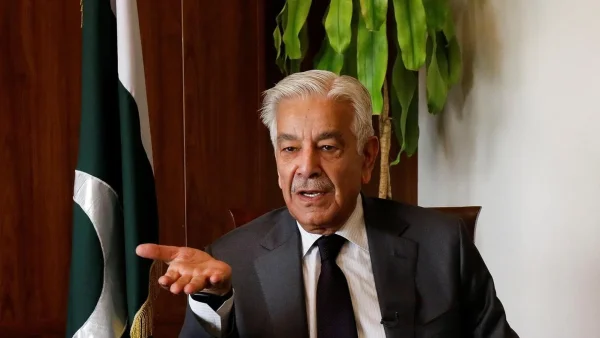
After Pakistan’s Defence Minister Khawaja Asif said Islamabad could target Kolkata if there’s another military conflict, the relationship between India and Pakistan worsened. He said this on April 4th in Sialkot and it led to a lot of strong responses from politicians and on social media, with people being alarmed, making jokes, or both.
What Khawaja Asif said and the immediate message
Asif was speaking to the press and made what many consider the clearest threat yet from someone in Pakistan about attacking a specific Indian city. He said, “If India tries to do some kind of fake attack this time, then with God’s help, we’ll definitely get to Kolkata.” He presented this statement as something he would do if India provoked them.
Asif also said India might use “false flag” operations, meaning planting bodies or creating fake attacks. He mentioned previous incidents that he said caused questions both within Pakistan and in other countries. He didn’t have any proof for these claims when he was speaking to reporters.
Indian response and recent military context
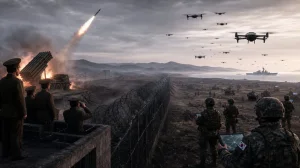
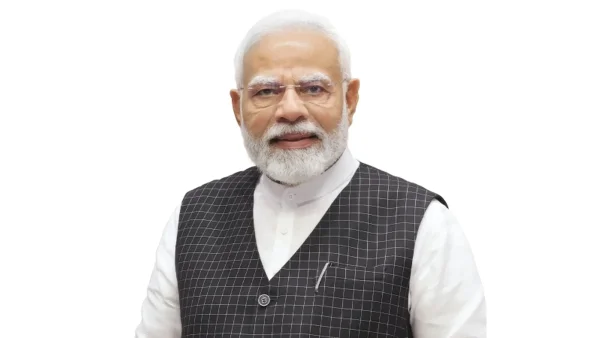
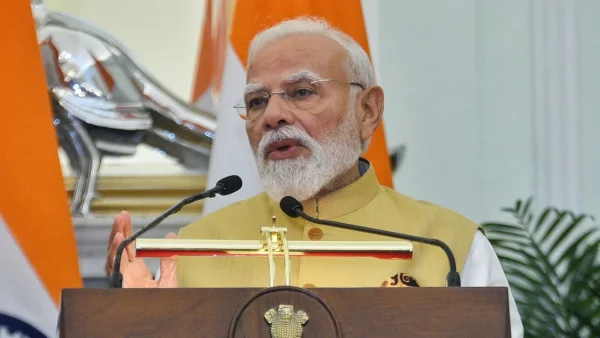
India’s Defence Minister had already said they would strongly respond to any trouble from India. He pointed to Operation Sindoor, the military campaign in May 2025 that was launched after the Pahalgam attack, and said that operation “isn’t finished yet.” This statement, and the one from Pakistan, showed both sides are trying to warn the other off and using stronger and stronger language.
Indian officials have shown they are prepared and able to respond to any attack, but so far they’ve only publicly said to be careful and used firm words. The Pahalgam attack continues to be central to what is going on in both countries, and shapes how they talk about illegal military activity that crosses the border and who is to blame.
Social media reacts in Dhurandhar style
Almost immediately after Asif’s remark about Kolkata, a lot more was being posted on social media about it. People on X and Facebook shared feelings of alarm, made fun of the situation, and asked for the information to be checked, while on messaging apps people copied and shared Asif’s words and also humorous pictures. The way people were talking went from serious and thoughtful, to overly brave and boastful, a style sometimes called “Dhurandhar style.”
The hashtags and things that were being searched for online showed how divided people were. Some people were saying to calm down and use diplomacy, but others saw the statements as just political maneuvering before events at home. Experts on the situation noticed how what is on social media can make the heated language even worse and make it difficult to tell the difference between real threats and statements made for effect.
Security implications and risk assessment
Experts are warning that when two countries that have nuclear weapons publicly threaten each other, it increases the possibility of problems, even if neither country actually wants to make things worse. Showing off military strength can lead to dangerous misunderstandings, especially when officials talk about what they’d do in response to past attacks or supposed fake operations.
Checking information is extremely important. Allegations of staged events or planted evidence need a thorough and open investigation. Without independent confirmation, these claims can make people more sure of their positions and leave less room for diplomatic efforts to calm things down.
Diplomatic avenues and what to watch next
To avoid things getting worse, it’s important to use diplomatic channels, private conversations between governments, and working with multiple countries. Those following the situation should look at what the foreign ministries say, how the militaries are communicating with each other, and if there are any changes in where troops are stationed near the disputed borders.
People will also be looking at the investigations into the Pahalgam attack and any information either side makes public. The timing of events in each country’s political calendar might affect the language used, but lasting peace will require proven facts and careful, gradual diplomacy.
In conclusion, Khawaja Asif’s comments about Kolkata being a possible target have started a lot of discussion and concern. The reaction on social media was a mix of taking things seriously and using satire, and experts on security are urging both sides to be careful and verify the information. Because the region is already unstable, careful diplomacy and being clear in what you say are essential to stopping a very dangerous cycle of actions and reactions.