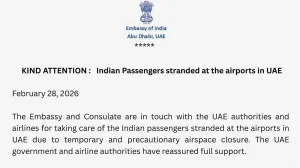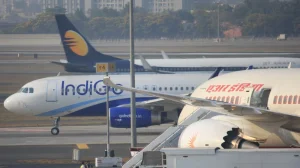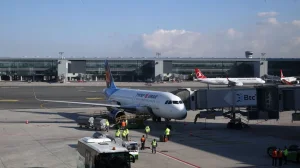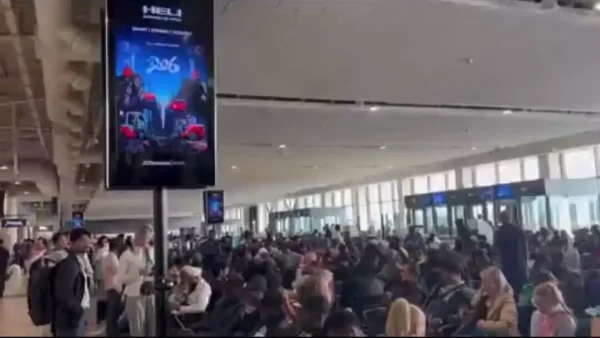
People at Delhi’s Indira Gandhi International Airport were left without a way to get where they were going as airlines stopped flying some routes and the people who control things limited access to the air over the Middle East, after a bigger military fight between Israel and Iran. These problems made a large airline cancel flights that went a long way, and left hundreds of flights on the ground or going somewhere else, messing up travel plans for a lot of people.
Air India cancels long-distance flights due to safety worries
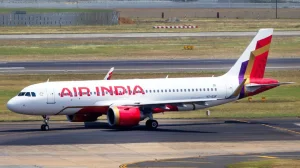
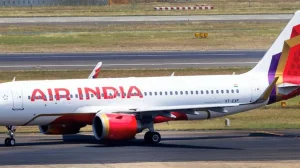
Air India said it was cancelling flights for March 1, 2026, because of safety risks related to the trouble in the area, and the closing of important air space over the Middle East. Flights that were affected included flights from Delhi to London, Mumbai to London, and flights to New York, Paris, Frankfurt, and Toronto which needed to fly through that area.
The airline said stopping Middle East flights was a safety measure, to protect passengers and the people working on the planes. The airline offered to change flights, give money back, and make other plans, while keeping an eye on what was happening and changing flight plans based on how risky things were.
What the airport was like: people stuck at IGI
IGI Airport was really stressful, as travelers said they had to wait a long time and didn’t get much information. One person said they had been waiting 14 hours after their flight to Saudi Arabia was cancelled, and that the airline people didn’t give the same information, and were slow. Many people described being worried, and having problems with getting things done, especially people who had to catch other flights.
The places at the airport where customers get help, and the airline desks, were too busy. Some people went to the airport lounges, or hotels near the airport, while families and people traveling for work tried to make new plans. The trouble showed how quickly world events can affect people flying on planes.
What the people in charge did, and a lot of flights cancelled
The Ministry of Civil Aviation said the people in charge were working closely with the airlines to make sure everything was safe and the rules were being followed. Restrictions on the air space over Iran and parts of the Middle East made the Directorate General of Civil Aviation work with airlines on what they did, and helping passengers.
Airlines in the country cancelled 410 flights on February 28, and the people in charge thought 444 more would be cancelled on March 1. The people in charge said these steps were only for a short time, and would depend on what happened with safety. People in charge said the most important thing when cancelling flights was the safety of the passengers.
How the problems affect airlines and travelers, both when they work and with money
Going around air space that is closed makes flights take longer, costs more in fuel, and makes it more complicated for the people working on the planes. Airlines will have to pay more to work, and might lose money from cancelling long flights. Moving things by air also suffers when important routes are closed, which affects how things are supplied, and shipments that need to get there quickly.
For people traveling, problems mean having to pay for more places to stay, missing other flights, and not knowing when they will get their money back, or have their flights changed. People traveling should write down what they spend, and look at the rules for tickets, because airlines usually give money back, change flights, or give vouchers when this happens.
What people traveling should do now
People traveling should check with the airlines directly to see if their flight is still on, before going to the airport, and sign up to get messages by email or text. Get in touch with customer service early to change flights, get money back, or get help with a place to stay. If you have travel insurance, or a credit card that covers problems with travel, get in touch with the insurance company to see what you can claim.
At the airport, get help at the airline desks, or places where people are assigned to help, and keep your travel papers with you. Watch the official places for information, like what the airlines say, and what the people in charge of aviation say on social media, for the latest information.
What will happen, and what is next
Airlines and the people in charge will keep looking at what is happening every hour, and change what they do as they need to. Getting normal flights back depends on being able to safely use the air routes in the area, and on talks between countries that lower the risk to planes flying people around.
For now, people traveling should expect to continue to have problems, and plan for delays, or flights being cancelled. Keeping in touch with the airlines, and trusting the official information will help lower problems, while the people in charge make safety the most important thing in a security situation that is changing.