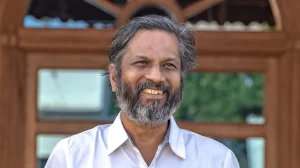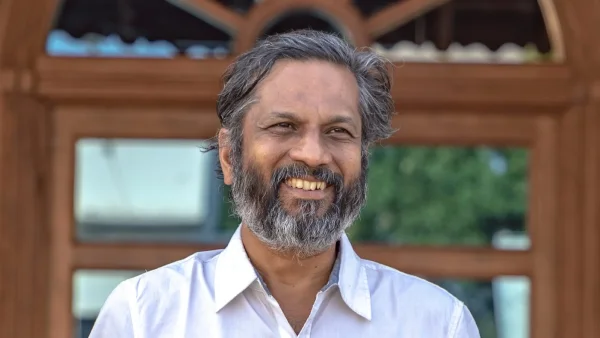
Vembu, Zoho’s co-founder, says not every job is in danger from AI. In a post on X, he said work which involves looking after others, duty, and dedication will hold up well. Vembu named teachers, people who care for others, farmers, forest wardens, temple priests and classical musicians as jobs AI simply can’t do.
What Vembu thinks about what makes life worth living, and what people are worth
Vembu made the argument about what it means to be human and how much we’re worth economically. He said that if people’s feeling of self-worth mostly comes from how much they make, or from seeming clever, AI could be a problem. This changes what people talk about from the number of jobs, to how societies decide what work means.
He also put stress on people who do things because they love to, not to make money. These people choose jobs like looking after children, or going back to farming, because they want to. Vembu says such commitments won’t be changed by AI, as what drives them goes beyond being paid.
Jobs which he thinks won’t be done by AI
Vembu picked out roles where it matters that a human is there, or that there’s a ritual, or dedication. Teachers and carers do ‘relationship work’ which depends on trust, small differences in meaning, and judging how people feel – things which are hard to put into a computer program.
He also pointed to forest wardens who look after nature because they love it, and temple priests who keep up rituals even when there aren’t many people around. Classical musicians who practice and perform for small groups of people keep culture alive, rather than trying to sell a lot of records. These jobs put what is important above what the market says.
Why these jobs aren’t likely to be done by machines
A lot of the jobs Vembu talks about need ‘knowledge from experience’ and being a moral leader. Looking after children or older people needs decisions based on what’s happening now, physical contact and long-lasting relationships. AI can help, but can’t fully do these things.
Cultural jobs also depend on being real and on tradition. Rituals, how artists understand pieces of music, and looking after land or a community are based on what people have lived through. Machines might copy some parts, but can’t fully take on the values which drive these activities.
What this means for the jobs market in general, and for government policy
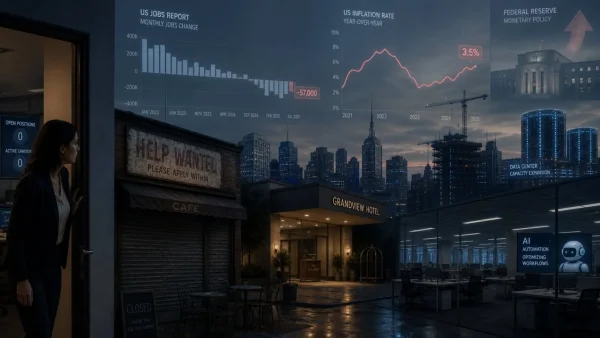
Vembu’s words come at a time of growing worry about AI and jobs. Companies are putting more and more money into automation, and some have cut back on staff while putting in new technology. This shows how important it is to link changes in technology to what governments do.
Leaders in business and in government should expect changes to happen at different speeds in different areas. Jobs which are routine and based on making things will probably change faster than jobs which are about people, or have a point to them. Planning for people to be trained for new jobs, giving people money when they aren’t working, and making jobs in communities will help people get through this change.
What people and companies can do in practice
Workers can get better at skills which show human connection: care, teaching, looking after things, and keeping culture alive. Companies can change jobs so these skills are more important, using AI as a tool rather than to replace people. This makes things more able to survive, and keeps what is important.
Governments should back training, give people reasons to take jobs which are based in communities, and make sure people are safe when they choose jobs which have a point to them, rather than just making money. If societies value jobs which aren’t just about making money, they can get more people to do work that technology is unlikely to automate.
Vembu ends by saying that people might start to organise themselves more around activities which are led by what they want to do. Whether this happens depends on what people choose, what companies do, and what governments do, all working to protect and make more important the kinds of work which give people their value.