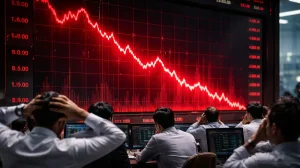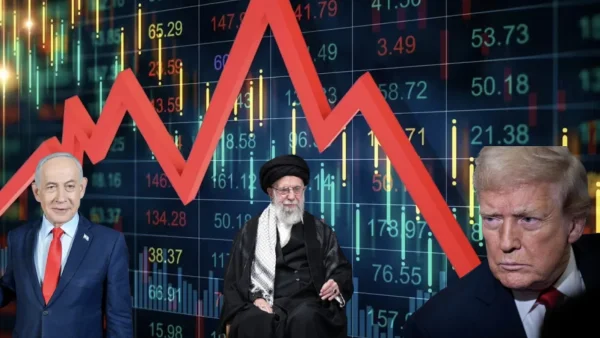
Going into Monday, markets are on edge because the problems between Iran and Israel are growing into a larger issue for the whole area. Attacks and responses over the weekend in the Gulf have changed air routes, slowed trade, and once again made the Strait of Hormuz very important. Investors should expect a ‘risk-off’ start to trading, with prices going up and down a lot, and news coming out quickly that can cause big, sudden changes in prices during the day.
Why this trouble in the Middle East is important for markets
The fighting isn’t just small fights at borders anymore. News of attacks near important places, and warnings all over the Gulf, have put governments, businesses and people on alert. We’re already seeing the results of this in air travel, moving energy, and insurance.
Because of airspace being closed in parts of Iran, Israel, Jordan, Iraq, and the UAE, airlines have had to stop flights, or take very long routes for flights that go far. Going around through Central Asia or near the North Pole adds hours to trips, using more fuel and costing more to run. Airlines, companies that move goods, and those who sell things to other countries will all be affected.
Companies that insure ships going through the Gulf have raised the prices for ships going into areas that are dangerous. If this goes on, the cost of sending goods by sea could go up a lot, which would reduce the profits of businesses that sell things like clothes, cars, chemicals and electronics. The issue isn’t just delays, it’s the price and being able to rely on a supply chain that’s very connected.
The biggest thing that could affect the whole economy is the Strait of Hormuz – about 21% of the world’s oil goes through it. If there’s a threat to ships going through, the price of oil – both Brent crude and oil that’s been processed – will quickly go up. Countries that buy oil would get hit twice: they’d have to pay more for what they buy, and their currencies could get weaker if the price of oil goes up.
What to expect when trading starts
Things around the world aren’t looking good, after major markets closed on Friday by avoiding risk. Asia will have to deal with the news from the weekend with few people buying or selling, meaning there will probably be big gaps in prices and prices going up and down a lot when trading starts. Expect investors to be careful, the difference between the price someone wants to buy at and the price someone wants to sell at to be wider, and investors to quickly change what they are buying and selling during the day.
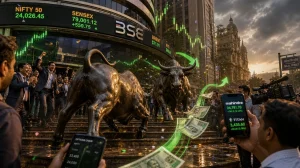
Stocks in India are likely to open lower after the selling on Friday. The Nifty closed at 25,178.65 and the Sensex at 81,287.19, with cars, banks and companies that make everyday goods being under pressure, but some IT companies getting some support. The rupee may get a little weaker if oil goes up and foreign investors become careful.
What prices are at now are important in a difficult market. Traders will watch the 25,000 level on the Nifty as a price that people will think about. Above that, 25,350 to 25,600 looks like a place where there will be a lot of things for sale, until things become clearer. Expect prices to go up during the day and then be sold unless the news gets much better.
What investors should do now
First, protect your money. Lower the amount of money you have borrowed, don’t make big bets on just one thing, and keep some money available to buy things when there’s a good opportunity. Buy in smaller amounts over time, rather than trying to get a good price when prices first go down. Use clear ‘stop-losses’ and only buy a certain amount to limit how much you could lose.
If you have a lot of money in stocks, protect yourself. Buying ‘index puts’ can protect against big drops; ‘covered calls’ can get you money in a market that doesn’t move much. For investments that aren’t just in stocks, putting a little money into gold can reduce losses when there’s trouble with countries. If your debts are in your own country’s money, keep some money in dollars – or money that is protected against changes in the dollar.
Put your money in stocks of good, strong companies. Choose companies with good finances, money coming in regularly, and the ability to control prices. Things like public services, health care, and the goods people need to buy generally do okay when investors want to avoid risk. Within energy, the companies that actually get the oil out of the ground could do well if crude oil prices go up, although the companies that refine it – or are otherwise controlled by rules – might not do so well.
Be careful with industries that go up and down with the economy, and with things affected by interest rates. Airlines, tourism, hotels, and moving goods are already having problems because of flights being cancelled and insurance getting more expensive. Cars and stores selling things people want but don’t need could be hurt later on, if gas prices cause issues for shoppers. Banks might have trouble in the short run, because people are less willing to take chances and because of how the value of their investments might change.
Try to have some investments both in the country and sold to other countries. If the value of the money used in this country goes down, companies that sell computer technology and drugs to other countries often get a boost from the way that works in accounting. But don’t just buy based on money values – look at how many orders they have, what their profits are, and who their customers are.
In bonds, go for the best quality, and for ones that don’t last a long time – or, at least, not too long. A long-lasting, big rise in oil prices could make inflation and what people expect interest rates to be more confusing, which would hurt bonds that last a long time. Bonds that have rates that change, and very good corporate bonds, can help you manage interest rate risk while keeping the risk of a company not paying its debts low.
What to watch closely this week
How oil prices move. Brent crude was near $70 a barrel before the recent problems. $80 a barrel is a point where countries that buy oil – like India – start to worry. If prices quickly go down, people will relax; if they keep going up, people will worry about inflation.
What’s going on in the Strait of Hormuz. Any trouble for tankers, even briefly, can make the risk of not having enough supply much worse. Watch for navies being sent to the area, rules for convoys, or notices to sailors that show things are getting better or worse.
How air and sea transport are doing. Flights not being able to fly in certain areas, and ships being sent different routes, are immediately costing the economy money. Keep an eye on airline schedules, official notices to airmen, and notices to sailors for signs that things are getting back to normal.
What central banks are saying. People who make policy will say they are depending on the data, but they’ll also mention the risk of inflation from energy costs. If they suddenly become much more worried about inflation, that would make the stock market do worse; if they are calmly patient, that would help investments that take on risk.
What companies are saying. Look for news from airlines, shippers, chemical companies, and metal companies. Whether they can pass on costs, how they’re handling their supplies, and what insurance they have will show which companies will do well and which won’t.
Money and bond yields. If the rupee gets weaker and local bonds pay more, that would show that inflation is causing problems. If they stay steady, that would show that the market thinks this is just a short-term thing.
What could happen, and when
Things calm down in a few days. Markets often overreact to international problems, then go back to where they were when the problems don’t get any worse. In that case, it can work to buy good investments when prices go down, and industries that haven’t been doing well could bounce back the most.
Problems continue for weeks. Oil keeps going up, freight and insurance stay high, and people expect the world economy to grow less. Things that are safe, companies that sell to other countries and can raise prices, and energy companies do the best. Have some money left over, focus on controlling risk, and avoid industries that go up and down a lot with the economy.
Worst case: trouble for shipping, or direct attacks on important energy supplies. That would be like the classic situation of inflation and slow growth. Protect your money, have cash, rely on gold and bonds that don’t last long, and only invest in companies with strong finances.
What to do on Monday
Don’t trade based on the news; trade based on risk. Expect the market to open lower, to jump around during the day, and to not be very sure of itself until the news gets better. Lower how much you’re borrowing, protect your main stock investments, and only add to good investments when prices go down.
Keep a list of investments, in order. Focus on companies with good finances and the ability to raise prices. Be patient with tourism, moving goods, and industries that go up and down a lot with the economy until the risks to air and sea transport are over. In energy, tell the difference between getting the oil out of the ground and refining it; in companies that sell to other countries, focus on how long their profits will last, not just money values.
Most of all, let prices show you what you think. Use careful ways to get into and out of investments, set prices where you’ll sell, and use amounts of money that are right for how much things are changing. In unsure markets, being careful buys you time, and time makes returns bigger when things become clear.