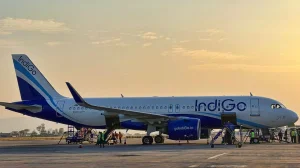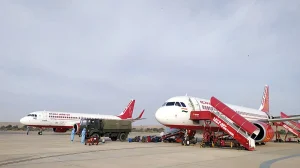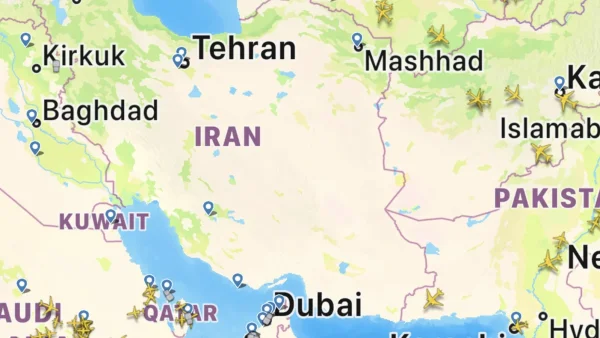
At the end of February 2026, the sky over the Middle East became very quiet. The empty sky above Iran – usually full of planes going from Europe to Asia – showed a quick, very important worsening of the situation. A planned, joint attack by Israel and the US on places inside Iran immediately caused airspace to be closed, a lot of flights to be changed, and a large crisis in aviation which spread well past the area.
What Brought About the Empty Sky
For many years, there have been tensions between Tehran and Jerusalem, based on what Iran wants to do with its nuclear power, the groups Iran supports, and threats both sides have made. On February 28th, 2026, Israel said it had started an attack before Iran could act, on Iranian military buildings, and this was done with US forces.
Soon after, explosions were reported in Tehran, and in several places across Iran. Iran answered with rocket attacks aimed at areas in Israel, and US places in the area. Alarms were heard from Tehran to Jerusalem as defence systems started, and the chance of fighting in the air went up a lot.
Within hours, those in charge of flying had a clear choice to make. With rockets in the air, and defences ready, the danger to planes used by people was very real. The choice they made caused one of the most noticeable closing of airspace in recent times.
How Airspace Over the Middle East Went Dark
Iran was the first to act, giving out a wide NOTAM, which closed all of its national airspace until told otherwise. The order showed immediate safety worries – including the chance of more attacks, and rockets from defence systems going wrong.
Flight trackers showed the effect in real time. The routes which usually have a lot of traffic between Europe and Asia became empty. Planes which would usually cross middle Iran went a different way, or stopped, and flight maps were quickly changed.
Countries next to Iran did the same. Iraq, Jordan, Kuwait, Qatar, Bahrain, and the United Arab Emirates either closed their skies, or put very strong rules on them. People in charge said this was because of safety checks, and the danger that rockets or military planes could get into areas for civilian planes.
Israel closed its civilian airspace as well, stopping planes taking off and landing at important airports, including Ben Gurion. With both sides in the fighting closing skies, a large part of the Middle East became impossible for civilian planes to use, within hours.
Airlines and those who control flying reacted quickly. Large airlines – including those in Europe, South Asia, and the Gulf – cancelled flights, or planned longer routes which went around. The European Union Aviation Safety Agency told companies to not use the area which was affected at all. Russian people in charge said airlines would stop flights to Iran and Israel, and look for other ways to get to places in the Gulf.
Why Those in Charge Stopped Civilian Routes
Safety is what makes these choices. Modern jet planes go at high speeds and heights, where even a rocket exchange far away is a risk which can’t be accepted. Pieces falling, being stopped, or a mistake in a split second, can have very bad results.
Another worry is being wrongly recognised. History shows that in tense, quick fights, civilian planes can be thought of as military targets. Overlapping radar pictures, stopping signals, and quick talking make this danger worse.
The way things are worked out is strict and careful. When military actions are happening, those in charge of civil flying usually make wide safe areas. Insurance companies, airline safety groups, and people in charge of countries all agree on one thing: stay away from areas of fighting until the level of risk changes.
Worldwide Flight Actions Turned Upside Down
The Israeli-US attack, and the answer from Iran, quickly turned into a shock to the world-wide flying network. Flights which usually cross Iran went south around the Arabian Peninsula, or further north, along longer routes which used more fuel. Where there weren’t any good options to go instead, airlines simply stopped flying to certain places. Some planes had to go back to where they started in the middle of their flights. Others were sent to airports in Egypt, and other countries, because the air space directly in front of them was shut down; travel warnings increased as flight times became really unstable.
These changes in flights add a lot of extra flying time – generally one to three hours on very long flights. Having to carry more fuel can mean airlines have to carry less in the way of passengers or cargo. Rules about how long flight crews can work then cause even more delays and flights to be cancelled throughout the entire airline system.
Hub-and-spoke airline systems are affected the worst. The large connecting airports in the Gulf region see entire groups of connecting flights messed up at once. Airlines in Europe and Asia lose the quick routes over the top that connect their long flights. Airlines flying to India, Southeast Asia, and Africa have to completely re-plan their routes.
Passengers are the first to notice. Flights get longer, people miss their connections, are rebooked at the last moment, and suddenly get overnight hotel vouchers. A few airlines have stopped flying to the Middle East for the time being, awaiting clearer advice on risk and open routes.
Costs That Ripple Through Aviation and Trade
Under these situations, the costs of running an airline go up a lot. A big widebody plane on a long route can use six to ten tons of extra fuel for each hour of extra flight. At current prices, this could easily add tens of thousands of dollars to a single flight – and that’s before you count the cost of the crew, maintenance, and the disruption.
Insurance costs rise when flying near areas of trouble, even if the plane is taking a longer route. Insurance companies might add war-risk fees, increasing the costs of flights that go around the dangerous area. Airlines also need to have more money on hand to deal with the unusual operations and to take care of passengers.
Air cargo is directly affected. The Middle East is at the centre of routes linking Europe, Asia, and Africa. When that centre is closed, things that spoil quickly, medicines, and valuable electronic items are delayed, don’t get handed off properly, and have to be re-handled. Cargo rates usually go up as space gets limited and flight times grow.
Those who send goods, and those who manage supply chains, switch to slower methods or pay extra for a certain amount of space on a plane. Industries that need things quickly – such as car making and health care – may find that parts and new products are delayed.
The Road Ahead
Now, a lot depends on talks between countries and a decrease in fighting. Civil aviation authorities can re-open air space in steps, often starting with limited heights or specific routes. But they will not do so until the threat of missiles goes down and military flights become stable.
If the fighting goes on, airlines may permanently change their routes – as they did after other wars. The routes to avoid trouble can become normal operating procedures, changing how much capacity there is, how long travel takes, and how much it costs, for years. Those who plan routes will decide that being able to rely on a route is more important than saving a little bit of time.
Passengers should expect longer flights, flight times that change a lot, and travel warnings that are updated frequently, in the short term. The best things to do are sensible: watch airline apps closely, allow plenty of time for connections, choose tickets that can be changed, and carry essential items and medicines in your carry-on bag.
For airlines and those who make the rules, the lesson is well-known, but important. Having different routes, real-time information about threats, and good communication between the military and civil authorities are all vital. Trying out alternative routes, getting permission beforehand for planes to be diverted, and arranging flight crew schedules to allow for sudden changes in routes can cut the hours of disruption.
The empty sky over Iran is more than a short-term situation. It’s a strong reminder that the world being connected depends on stable routes and ways of judging risk that people trust. When these foundations are damaged, the results are felt everywhere, from the areas where planes park to the floors of factories.
A quick re-opening is possible if fighting stops and clear safety guarantees are given. Until then, the attack by Israel and the US, and Iran’s response, will continue to affect flight plans, budgets, and travel plans. The world will feel it every time a great circle route has to bend around a sky that was once familiar.