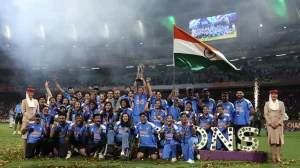
Tendulkar said how ‘lovely’ the win was, and spoke of the team’s good form throughout the whole season, which took them from outsiders to champions. The final game against Karnataka in Hubli was a tie, but Jammu & Kashmir’s very large lead in the first innings was enough to make it a historic victory.
Tendulkar’s message and what people said on social media
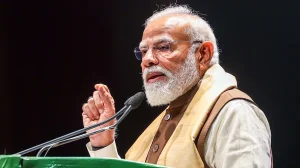
On X – previously Twitter – Tendulkar posted his congratulations, and pointed to the symbolic importance of a place which had for a long time been connected with Kashmir willow wood used for cricket bats. He said that watching Jammu & Kashmir go from helping to make champions, to being champions was a great story for domestic cricket.
He said that the team’s success was based on playing well all the time, being able to get over problems, and keeping up a good level of play. Tendulkar specifically said how good Auqib Nabi’s bowling had been, and a really important part of a difficult series, and what had decided the result.
How Jammu & Kashmir played to win the championship
Jammu & Kashmir built their win in the first two days of the match, scoring 584 in their first innings. Shubham Pundir was best with a really good 121, and Yawer Hassan (88), Paras Dogra (70), Abdul Samad (61), Kanhaiya Wadhawan (70), and Sahil Lotra (72) all helped.
Karnataka, even though they had a strong batting side and Mayank Agarwal made a good 160, were all out for 293. The 291 run difference was the key. J&K were in control of the rest of the game, and a firm second-innings decision to stop batting finished off the story of the season – of playing with skill and having players who could do many things.
How important Auqib Nabi was throughout the season
Auqib Nabi became Jammu & Kashmir’s best bowler, taking 60 wickets in 10 games and 7 times getting 5 wickets in an innings. He played well in all the important matches, getting 5 wickets in the quarter-final, semi-final and final, and was the most reliable player in the whole series.
In the championship game, he took 5/54, breaking up Karnataka’s middle order and in effect making sure of the result. Nabi’s good form also got the attention of teams in the IPL, and he was bought at auction for 8.4 crore rupees – which shows how much good talent domestic cricket continues to provide.
Kashmir willow and what the win means
For many years, Kashmir willow has been in the equipment of a lot of champions. Tendulkar’s comment linked that tradition with the human achievement of this team, turning something the area makes into a sign of local sporting success.
The win makes clear the value of domestic competitions for finding and developing talent. Players such as Nabi, Dogra and Lotra showed how being in first-class cricket for a long time, and playing well, can change people’s careers and help the whole of cricket in the area.
What the win means for Indian domestic cricket, and for Jammu & Kashmir
This Ranji Trophy win will probably lead to more money being put into coaching, facilities, and finding new players in the region. Young cricketers in Jammu & Kashmir now have a clear idea of what to do: playing well all the time in the domestic competitions can lead to good chances and being recognised nationally.
Beating a very good Karnataka team which had many stars shows that good long-term planning, and the team all working together, can be better than just having a few very good players. The historic win will leave a lasting effect on the coaches, the people who help the team, and the next group of players from Jammu & Kashmir, and makes stronger the idea that domestic cricket is where future champions are really made.