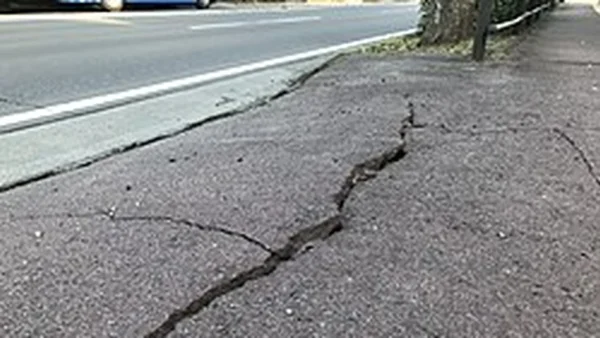
On Friday afternoon, the earthquake – centered in southern Bangladesh – made the city shake and got people out of tall buildings and workplaces. It happened at around 1:22 pm Indian Standard Time, lasted a little while, and caused lots of reports of swinging fans, clocks moving, and shaking furniture in different parts of town.
How much shaking there was in Kolkata
Those in the city’s central and northern areas said they clearly felt a shake, which made ceiling fans move back and forth and clocks on the wall swing. Workers in office towers and people in apartment buildings went outside to open areas just to be sure, and some people had quick losses of power and short problems with their cell service.
The shaking felt worse in the taller buildings – because movement gets bigger the higher up you go – but the city as a whole could feel it for almost ten seconds. Officials said at first that no one had been hurt and no buildings had big damage, but people in offices and apartment buildings were still worried.
What the earthquake data and center point show
Separate groups watching for earthquakes found a first reading of 5.5, with the center of the quake about 26 kilometers southwest of Khulna in Bangladesh. India’s meteorological department said the quake was not very deep – only around 10 kilometers – and said Nayabazar was a point of reference about 100 kilometers from Kolkata.
Quakes that aren’t deep can send energy long distances and cause clear shaking at the surface in nearby areas. The earthquake being close to the India-Bangladesh border and being shallow explains why Kolkata and nearby areas in West Bengal felt it.
How the public and officials acted
There was worry at government and business areas, where workers went outside in Salt Lake’s IT area, the state government building, and the legislature. Many people who live in the city said the experience was disturbing and shared photos and videos on social media to show what happened and to see if their family was all right.
Emergency workers and local authorities asked people to remain calm while they watched for any effects that came later. First looks by city workers showed no buildings had fallen down, and officials said they were checking buildings that might be in trouble and other important things to be sure they were safe.
Aftershocks and watching for more
Experts in earthquakes and weather groups warned that aftershocks are possible after a 5.5 magnitude earthquake, though none happened right after the first quake. Scientists who study earthquakes continue to use earthquake-watching systems to find any later shocks and to give the public new warnings if needed.
Local disaster groups and experts in geology are still ready, looking at data and getting teams ready to help. Getting correct, quick information from official sources will be important to stop rumors and tell people what to do if they need to leave buildings or have them checked.
Earthquake safety tips for people at home
People who live in the area should follow basic earthquake safety: drop to the ground, cover themselves, and hold on during shaking; go to open areas afterwards; don’t use elevators; and look for gas or electrical problems. Look at buildings for cracks you can see and tell local authorities if you think there’s been damage.
This event shows how important it is to be ready, including having emergency supplies, a plan for family to talk to each other, and regular earthquake practices for workplaces and schools. Staying up to date with official warnings and working with city checks will help communities get better and stay safe in the days to come.
A careful, informed reaction can lower fear and make sure people are safe after an earthquake that crosses borders. Authorities and scientists who study earthquakes will continue to watch what happens, and people in the area are told to watch official sources for updates and what to do.