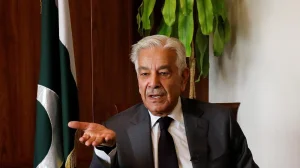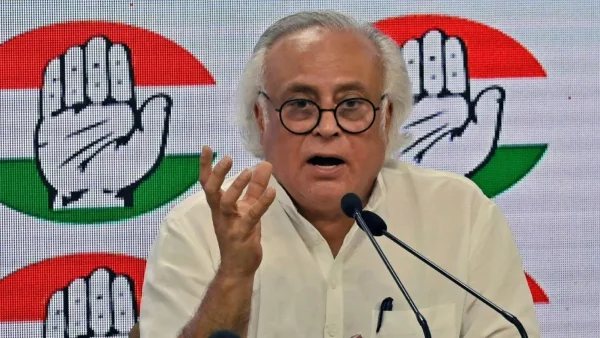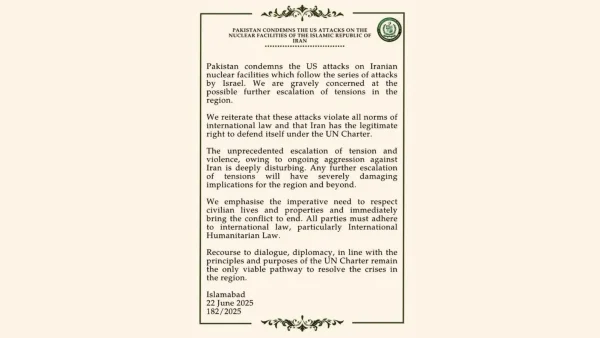
Ishaq Dar, Pakistan’s deputy prime minister and foreign minister, openly criticised what he named ‘attacks which weren’t needed’ on Iran by Israel and the United States, and called for fighting to stop right away. Dar told Iranian foreign minister Seyed Abbas Araghchi what he was worried about, during a phone call – according to a statement from Pakistan’s Foreign Office which was put on X.
Pakistan’s diplomatic position and what the country officially said
Dar said Pakistan’s view was a strong plea to lower the level of conflict and to immediately begin diplomacy again. He asked for quick talks to get a peaceful solution that was agreed by all, and said any more military action would risk wider trouble in the region and further afield. The Foreign Ministry used X to make the exchange public, showing how important politically the message was. By openly objecting in this way, Pakistan clearly showed it was different to Washington’s attitude, and wanted to be a voice for being careful and for talks at a time when things were unstable.
Risks to security in the area, and fears of problems spreading
People who know about these things, and officials, are worried that attacks on Iran could start a chain of events in countries nearby, putting trade, energy routes and people’s safety in danger. Pakistan stressed that things getting worse would immediately affect how stable the area was, and could bring other countries into direct fighting. The United Arab Emirates reported missile activity and bits of missiles which caused damage to things and at least one civilian dying, showing how quickly these attacks can affect countries which weren’t involved. These events underline how important it is to use diplomatic channels to stop mistakes happening and to protect people who aren’t fighting.
Advice from the Pakistan embassy and safety for people travelling
Because of the attacks, the Pakistan Embassy in Tehran put out advice for people travelling, telling citizens not to travel to Iran if it wasn’t essential, and to be careful. The advice asked Pakistanis in Iran to limit where they went, to keep in touch with diplomatic missions, and to follow local security advice to stay safe. Consular services also stepped up watching what was happening and communicating, to help citizens who were in trouble. The advice shows a practical reply to immediate dangers, and shows Pakistan’s priority is to keep its citizens safe while using diplomacy to reduce tension.
How other countries reacted, and the split world reaction
What other governments said showed the world wasn’t united. Some governments criticised the attacks and asked for everyone to hold back, while others pointed to problems with how Iran was governed, and to the way Iran used people in other countries to do things for it. Ukraine publicly said it supported the Iranian people’s wish for safety and freedom, but criticised Tehran’s policies in the area. This mixture of reactions shows that the crisis isn’t just between two countries; it involves different security worries, debates about human rights, and wider world political ideas. Pakistan’s public criticism of the attacks shows how countries weigh these things up when they make statements about what they’re doing in foreign policy.
What this means for relations between the US and Pakistan, and the diplomatic way forward
Pakistan’s decision to publicly say it didn’t agree with things linked to the United States might create trouble in diplomatic relations, but it also shows how important it is for Islamabad to keep the area stable. Islamabad must balance relations with important countries, while protecting its own national and economic interests in a difficult area. Going forward, Pakistan has asked for urgent diplomacy and talks as the only sensible way out of things getting worse. The government said its position was in line with what is normal internationally, and with protecting people who aren’t in the army, and it will likely keep a close eye on what is happening, while asking for solutions which are agreed by all.