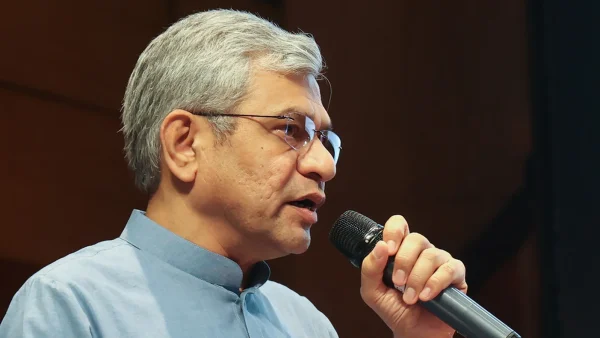
There has been no shortage of public ire over failed payments and other hiccups, so the minister has put a hard date on it: a reworked site by July 15, 2026. The plan is to clear up the platform’s choke points when they matter most and make sure people can book with confidence again.
You only have to have tried for a seat at the last minute to know what’s at stake. With Tatkal being first-come-first-served and opening the day before you travel, a few seconds of buffering is all it takes to miss out.
What made this happen
It came down to a student who had a word with the minister about the friction of the current system. Vaishnaw didn’t let it go; he told his people to get moving and put together a new version in 30 days.
That kind of exasperation has been around for a while. Back in April, a user was up before 11 am to put in for a Tatkal sleeper on the Prayagraj Express from New Delhi to Kanpur. When the clock hit 11:00, he was met with non-stop buffering and a payment that went through but left him without a ticket.
Some would call it an emotional ordeal. You spot a seat, then you have to deal with the CAPTCHA, the OTP, the payment… and then you see “Payment Success, Ticket Booking Failed” and are left to wait for your money back. It makes booking a test of patience before you even set off.
When and how it will change
Vaishnaw has put the launch of the new portal at July 15, 2026. The ministry is after a better flow and an interface that doesn’t put up roadblocks where you don’t want them.
Don’t think of it as a make-over. We’re talking about a system that millions depend on, one that shows its age in a Tatkal rush. A more streamlined process should put a dent in the number of dropped and failed bookings we see in peak times.
The Tatkal problems on the table
To make any real difference, the new build has to put a stop to the run of delays people are used to. These are the things it needs to sort out:
– Having to put in a CAPTCHA time and again
– The 11:00 AM lull in performance
– An OTP that won’t come through
– A payment that drags on or times out
– Your account debited and no ticket to show for it
You fix those and you stop the domino effect. In a game of inches, a micro-delay is what separates a confirmed seat from a waitlist number.
What comes next
This is the upshot of some open talk with students. By giving his team 30 days to work on it, Vaishnaw has made it clear where the responsibility lies ahead of the 2026 deadline.
He was in Jaipur recently to talk up some of the railway work in Rajasthan, but the portal is the one to watch. Can it stand up to the load of a Tatkal day, from start to finish, without any of the usual stumbles?
The word from the top is firm. Now it’s a matter of proving it. No one is going to be swayed by a pretty design if the site chokes at 11:00. But if the transactions are clean and the buffering is a thing of the past, trust will come back in a hurry.
In a way, the IRCTC project is an exercise in stress-testing. If you can build a site that doesn’t need to put users through the ringer with extra checks, you can make a five-minute job of it instead of a roller-coaster.
And it’s not just about quieting the complaints. For the person who has to plan on the fly, it means less hassle and fewer refund forms to fill out. Come July 15, 2026, we’ll see if they can walk the talk.