You could say OPEC is recalibrating what it thinks the world will be drinking next year. In an announcement on June 11, 2026, they made their second consecutive downgrade, bringing 2026 global oil demand growth to 970,000 bpd. It’s a sign of how transport snarls and high prices are reordering the market, even as OPEC holds out hope for a recovery down the line.
Why the cut now?
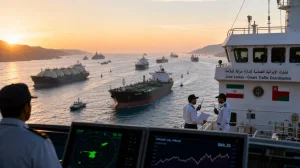
The war has put an end to traffic in the Strait of Hormuz. That means millions of barrels of Middle Eastern supply are being held up and fuel costs are up across the board. You can feel that in the logistics and the margins; it’s a squeeze on both the home front and industry, and it makes for some hard decisions for producers.
Even so, OPEC is of the view that the global economy has been steady in the first half of 2026, so it hasn’t wavered on its economic assumptions. It has, however, trimmed this year’s oil demand growth from 1.17 million to 970,000 barrels per day to be in line with what’s actually happening.
Where OPEC and the rest of them don’t see eye to eye
OPEC will tell you the hit to demand isn’t as bad as some would have you believe. Over at the U.S. EIA and the IEA, they’re more of a bear on the matter, with both agencies now putting in for a drop in oil demand this year because of the war.
What the 2027 numbers are telling us
Then there’s 2027, where OPEC has put up its sights. We’re looking at a 1.73 million barrel per day increase in demand, 190,000 bpd higher than before. It’s OPEC’s way of saying the current headwinds are just a blip and things will pick up again.
Getting real on production
There’s been a divergence between what was on paper and what has been done. OPEC+ was set to start ratcheting up output in April, but with the Hormuz off limits, that’s not an option. The numbers in the report show the bloc has put out less, not more, as the disruptions have added up.
In May, OPEC+ crude came in at an average of 33.13 million barrels per day, a 190,000 bpd step down from the month prior, per some of the sources OPEC is using. Iran had the steepest fall in output, and if you look at the tankers, you’ll see exports were down hard in May with the U.S. blockade in effect.
And the May tally does include the UAE, which left OPEC and OPEC+ on the first of the month. With the group also having to deal with shipping and the odd national trend, that exit makes for a bit of a wrinkle in the coordination.
How this plays out in the market
Put together, the milder 2026 demand and the need to hold back on supply make for a more hard-fought story. OPEC is on the side of resilience; the big independent outfits are seeing a pullback for now and a fix later.
If you’re in the business of trading or refining, the variables are the same: what’s going on at the Strait, how OPEC+ is moving, and how much of a dent the price run-up will put in demand. Until we have some clarity, you can expect pricing to be at the mercy of the headlines and the monthly figures.
Here is what OPEC put in its latest report:
– 2026 demand growth is 970,000 bpd
– A step down from 1.17 million bpd
– 2027 to see 1.73 million bpd in growth
– An 190,000 bpd bump for 2027
– OPEC+ at 33.13 million bpd in May
– 190,000 bpd lower than in April
– Iran with the heaviest loss in May
– UAE no longer in the mix for May’s numbers
It’s a measured message from OPEC: be careful in the short term, but we’ll be back. The EIA and IEA aren’t having any of that, with both pointing to a plain decline for the year. With the Hormuz closed, the supply side is out of the picture, so the debate is really about where demand is heading.
Make no mistake, it’s a simple equation. How well the producers stick together, what happens with policy and shipping, will chart the course to 2027. OPEC’s reset on June 11, 2026 is a way of marking that course-toning down this year for a better one to follow.