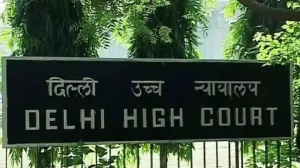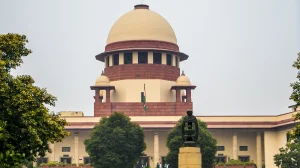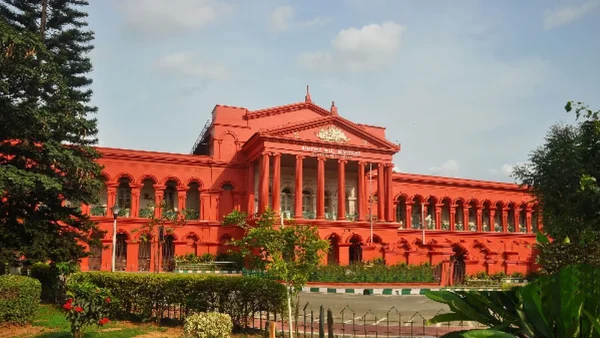
Justice Sachin Shankar Magadum’s bench has made it clear that when you let the media run unchecked with their coverage, you end up with a public show of what should be a pending legal matter, and that is a threat to justice.
What triggered the court’s direction
In looking at the video and digital material the actor put before them, the court saw some channels re-enacting courtroom drama with the judge’s face obscured but the accused and his lawyers in full view. This kind of programme, which comes on every time there is a hearing, is nothing short of prejudicial pre-trial publicity. The court called it "media-driven adjudication” and said it is at odds with what we have as injunctions and norms.
The order and what the Centre must do
So, the petition was partly allowed. The Ministry of I&B and the MeitY are to look into it and act. If need be, they can put a stop to or regulate the telecast right away while an enquiry is under way.
The legal basis cited by the court
There is the 1995 Cable Television Networks (Regulation) Act for a start. Under sections 19 and 20, the Centre has the power to rein in any programme that treads on the Programme Code or gets in the way of public order and the administration of justice. They have six weeks to see to it.
Why the High Court says it matters
"Freedom of speech is a constitutional value we hold dear,” the order says, but it cautions against what happens when it turns into the media passing judgment. The press is meant to be a watchdog; when it becomes the judge, jury and executioner, you put the rule of law in jeopardy.
Strong words on media conduct
You can’t have a system of law where a trial by headlines is in order, especially when it defies an injunction and meddles with justice. What is on file here, the court says, is prima facie contempt and a subversion of due process.
The complaint and the case background
Darshan, who is the second-named accused in the 2024 Renukaswamy case, came to the High Court after lodging a grievance with the I&B Ministry back in January 2026. He put forward more than 1,000 YouTube links and contended that some were in breach of an interim order to keep charge sheet details off air.
His argument was that the media was putting out unverified claims and selective leaks to sway opinion, which is an affront to his Article 21 right to a fair trial. He also had a bone to pick with the use of AI and graphics to re-create the crime and the court, and with panel shows dissecting the evidence.
For those not up on the case: Renukaswamy, a fan, was found dead by a stormwater drain in Bengaluru in June 2024, apparently for some lewd remarks he made on Instagram to the actor’s friend, Pavitra Gowda. The Supreme Court turned down Darshan’s bail last year.
Rule 6 of the Programme Code is another thing Justice Magadum brought up. The clippings, he said, are per se illegal and call for the kind of action the 1995 Act allows.
Then there is the IT Act of 2000 and the 2021 Intermediary Guidelines. The authorities are under a statutory duty to handle this.
When you go through the footage, you see a worrying habit of re-staging what happens in court. To keep on with the telecast in the face of an injunction is a slap in the face to judicial authority and makes for a bit of a carnival.
It creates a story of its own and pre-emptive publicity. The reportage shouldn’t be a substitute for what the courts decide, a view shared by the highest courts in India and elsewhere.
What happens next
The order, which was made public on Friday, is for the ministries to go over the links and if they find fault, to take some interim steps. The Centre will have to mull over whether anything sterner is in order.
Here is what the ministries have been told to consider:
– Scrutinise the links and broadcasts flagged by the complainant
– Check violations of Rule 6 of the Programme Code
– Initiate interim measures pending enquiry
– Evaluate suspension or revocation of permissions or licences
– Consider penalties allowed by law
And by that, the court means they can prohibit the broadcast, pull permissions or levy a fine, as the law permits. The six-week deadline is to ensure there is some follow-through and a harder look at how trials are being covered.