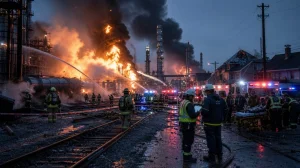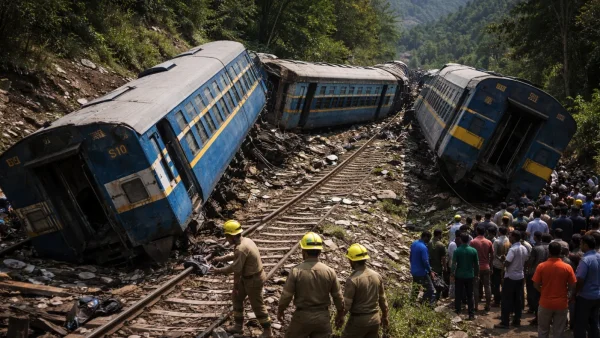
There were no passengers on the train and, as of now, no one has been hurt. But you can be sure the incident has some people asking hard questions about safety and how fast we respond. A formal probe is in the works.
Crowd control and site management
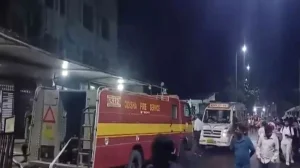
Not long after the derailment, a crowd made its way to the line. It was up to the Government Railway Police to put in an appearance, cordon off the scene and make room for the technical staff to do their work.
Here are the key official actions confirmed so far:
– GRP secured the area and dispersed the crowd
– Preliminary cause cited as brake failure
– Railway Department initiated a probe
– WCR formed a committee for the Rajdhani fire
Why the maintenance-time derailment matters
What’s being pointed to by those in the know is that the whole train was in motion under these conditions, which doesn’t sit well with the kind of procedures you’d expect during non-revenue operations. And then there’s the matter of timing. Some say senior railway brass didn’t show up at the site for nearly two and a half hours, and that has drawn some side-eye for the oversight involved.
The turnout of locals did make things a bit of a hassle on the ground at first, but the GRP put a lid on it so the assessments could go ahead.
Parallel probe into Rajdhani Express fire
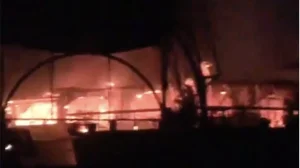
This isn’t the only thing on the table. In a sign of where the attention is, the West Central Railway Zone has put together a top-tier committee to look into a fire on the Rajdhani Express from Thiruvananthapuram to Nizamuddin last Sunday. The flames broke out at 5:15 am in the B-1 coach between Vikramgarh Alot and Lunirichha.
An official put it at about 90 minutes after we had left Ratlam Junction in Madhya Pradesh. The luggage and generator car behind it also saw some damage. The Railway Board says the inquisitors will be a mix of heavy-hitters from the West Central Railway, the Integral Coach Factory in Chennai and the RDSO, with the WCR’s principal chief safety officer in charge. You’ll find the likes of the principal chief electrical and mechanical engineers on the roster as well.
Official response and next steps
As for the Rishikesh case, the department is on it. We’ll be watching to see what they come up with, especially since this was supposed to be a low-risk window for maintenance. Even with an empty train, it shows where the weak spots are and how quickly the higher-ups get moving when something goes wrong.
For the moment, there are no reports of injuries or any knock-on effect to services. The job at hand is to figure out why the train was on the move and if any of the usual protections were ignored or just didn’t work.
What this means for passengers
When the dust settles on both of these, we should have a better handle on who is responsible and what the timelines really were. What they find will no doubt put a dent in how we do things in the short term and may very well change the rules of the road for the rest of the zones.