It was a hard line to walk for many when the price went up on May 15, 2026. After a long period of stability, this kind of move is felt keenly, especially when household and industry budgets are already running thin. Fuel retailers, for their part, have been taking a hit from the way global crude has been moving, and now there is a fresh spate of recriminations in Delhi.
Kharge’s charge: policy drift and missed relief
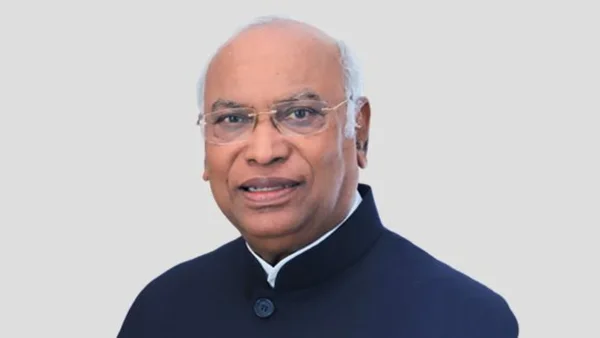
Kharge has made no bones about his view: the strain on people’s pockets is something the government could have steered clear of. In a post on X, he called out the “incompetence” and lack of vision at the top, saying the current crisis is of the Government’s own making.
To him, the diesel price is an inflationary force that is being felt by everyone from the farmer to the factory floor. He says it’s no accident; it’s policy drift. When the war in West Asia started, he argues, talk of “all is well” took the place of any real action.
Two questions Congress wants answered
He even went so far as to say sovereignty has been put on the line for a nod from Washington. Pointing to a 30-day waiver for Russian oil in March, he noted the tone of the US – words like “allow” and “permission” don’t sit well. And if reports are to be believed, New Delhi is now looking for an extension on that very waiver.
Then there is the matter of relief. The Congress leader says the government raked in Rs 43 lakh crore in central taxes over a decade but offered nothing back when crude was cheap. He has also had a word for the Prime Minister’s habit of touting work from home and other cost-saving measures after the fact.
Kharge said the party’s immediate questions are straightforward:
– Why seek extension to the US 30-day waiver now?
– Why no relief after earning Rs 43 lakh crore in 10 years?
Government response and counterpoint
On the other side of the aisle, Union Minister Kiren Rijiju has put the hike in perspective, noting that India’s numbers are not as bad as in some other countries. It is the government’s line: the world is seeing a surge in prices, and we are in a better position than our peers.
There is not much room for compromise here. The opposition is making this about leadership; the government is talking about the realities of the global market.
Why fuel prices matter now
Take diesel, for instance. It is the lever for the whole supply chain. You nudge it up and you see it in transport, in food, in the final product. That is the cascading effect Kharge is warning of, from the mandi to your monthly grocery run.
With both petrol and diesel up by three rupees, the talk of inflation is no longer theoretical. It is in the commute, in the logistics, in the margins.
The debate shaping the next steps
So you have a few questions at the centre of it all: does India have enough say in how it buys its oil? How much of the world’s volatility do we let in? And is there any case for some form of relief?
For those who have to pay, the concerns are right in front of them. Will these higher input costs be shouldered or passed on? For the moment, the one thing that is clear is that after more than four years of no change, fuel has become the most hotly debated number in the country.