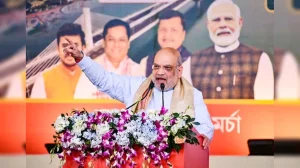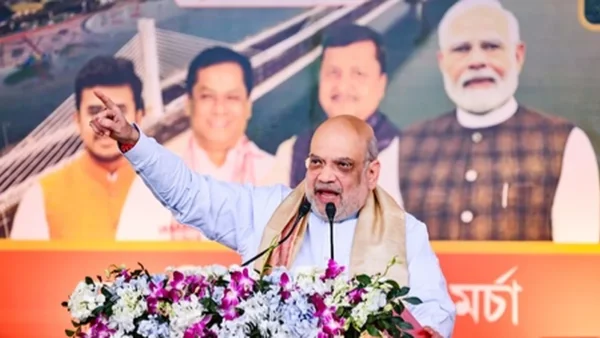
Shah used his campaign appearances in Sukna and Kurseong to get more support for the BJP in North Bengal before the West Bengal Assembly elections. He focused a lot on the Gorkha community, promising to put names back on the voter rolls that had been removed and fix old problems if the BJP is in power.
Shah’s Promises to the Gorkha Community
Shah told the crowds that a BJP government will quickly do something about the Gorkha situation and give a solution within six months of being in office. He said that previous state governments hadn’t listened to what the Gorkha people wanted and have basically ignored them for years.
At the rally, Shah repeated that people have tried to weaken Gorkha history and who they are. He also said he’ll give details about what will be done for North Bengal later, and made it clear he’s serious and wants to quickly restore their respect and recognition.
Electoral Rolls and the SIR Exercise
The biggest thing he talked about was the names being taken off the voting lists during the Special Intensive Revision (SIR). Shah said many Gorkha names were removed and he promised that his party will put them back on as soon as they are running the state government.
Getting the names back on the lists is being presented as the first thing to do to rebuild trust. The idea is to take a technical issue about voting and turn it into something voters can see happen quickly.
Timelines and Implementation Claims
Shah said he’ll fix the Gorkha community's problems relating to their culture and identity within six months. Giving that six month time limit makes the promise seem quick and something that can be measured, and that’s meant to show voters the BJP can actually do what they say before the election.
Actually doing it will depend on getting cooperation from the people who run things and following the law. Usually, to put voters back on the list after they’re removed during a revision requires checking, paperwork, and getting different departments at the city and state level to work together.
Development Agenda for North Bengal
But beyond just fixing the voting lists, Shah talked about a large plan to develop North Bengal. He included things like construction projects, medical buildings, and schools in a pledge to lessen the differences between the regions and create more chances for people to make a living.
He specifically mentioned a new national highway, a new AIIMS (a type of medical institute) just for North Bengal, a 500-bed cancer hospital, and new campuses for IIT and IIM (important colleges). He also spoke about train projects, like the Vande Bharat service and how the Sevok-Rangpo line is nearly finished.
Shah also said he will bring back the tea gardens and stop them from being sold, saying saving the tea industry is connected to jobs and keeping things calm in the area. He’s trying to get votes from people in cities and in the hill districts with these promises.
Security, Migration, and Political Context
When talking about what voters are worried about with people coming into the country illegally, Shah said those who aren’t supposed to be here will be removed. He’s framing this as a matter of the country being safe and the population staying in balance. Statements like this are important to the BJP’s overall message for the whole country and are probably meant to get people who already support the BJP to stay with them.
In terms of politics, Shah said what the BJP is suggesting is different from what previous state governments have done, and he thinks they have failed. The way the campaign is being run connects promises about what will be done with more general accusations that the past governments haven’t cared, and is trying to make the Gorkha issue the most important thing in the election.
Assessment and Outlook
Promises to put removed names back on the voting list and to solve the Gorkha issue in six months will have to deal with bureaucratic and legal difficulties. Voters’ hopes will depend on how fast and openly the voting list corrections are made, and on having a realistic schedule for when the building projects will be done.
As the election gets closer, we will see how well these promises are received locally and if they are practical. People will be watching to see if the things being said on the campaign trail turn into real actions that address the Gorkha’s identity, how they are represented, and the area’s needs that have been around for a long time.