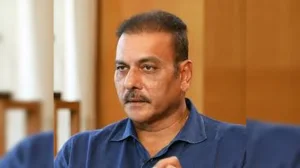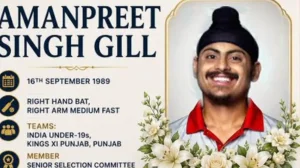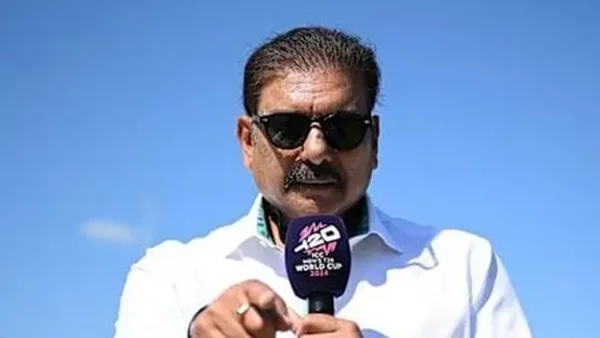
The Association specifically honored four very important cricketers from the city by doing the above. The event celebrated the careers of those who have shaped Mumbai and Indian cricket, and brought together old players, those who run cricket, and family of those being honored, all at their home ground.
MCA honors Mumbai cricket legends
The ceremony made sure to include people from all different times in the sport, from the men who were excellent at Test cricket to Diana Edulji, who was a leader in the women’s game. Officials from the Mumbai Cricket Association ran the event, with former players and local politicians joining them. This shows the Association wants to have a physical reminder of cricket history at Wankhede Stadium.
A lot of people from the world of cricket were there, including famous old batters and players who are stars now. So many people came because these figures are highly respected and the stadium itself is a sort of museum of Mumbai cricket; the names on stands and gates tell the story of the game to each new generation of players.
Ravi Shastri Stand unveiled at Wankhede
The stand on Level 1, under the press box, is now officially the Ravi Shastri Stand. This is because of Shastri’s long relationship with the sport as a player for India (he could bat and bowl), being on the team that won the 1983 World Cup, and then as the coach and someone who provides commentary.
Shastri spoke to the crowd, and was clearly touched, mentioning his family in the audience and remembering his father, who has died. He even remembered hitting a six over the very place where his name is now on the stand, connecting a story from his playing days to this current honor at Wankhede Stadium.
Tributes and emotional moments
Diana Edulji, who did a lot to help women’s cricket and later became an administrator, was also very emotional about the honor. She said it was a very special day, and that having the gate named for her is a dream come true for her and for all the women cricketers who have had to overcome difficulties.
Family members were present for Eknath Solkar and Dilip Sardesai, both famous batters who are no longer alive. Having the families there made the ceremony even more touching as the Mumbai Cricket Association recognized careers that made Mumbai proud and were a large part of Indian cricket for many years.
Gates renamed for Sardesai, Solkar, Edulji
Gate No. 3 is now the Dilip Sardesai Gate, Gate No. 6 is the Eknath Solkar Gate, and Gate No. 5 is the Diana Edulji Gate. These are ways to connect the players’ legacies to the places fans and players go in and out of the stadium.
Officials said changing the names of the gates will help keep the memories of the players alive for fans and players who are just starting out. A leader from the state also praised the idea and said it will mean that the achievements of Mumbai’s cricket heroes will be on display and celebrated whenever people enter the stadium.
Legacy and future impact
Naming stands and gates is meaningful and also useful: it establishes the history of the sport within the stadium itself and gives younger players people to look up to as they walk through those gates. Wankhede Stadium, already a famous place for cricket, now has even more of Mumbai’s cricket history built into it.
The Mumbai Cricket Association suggested this might be the first of many tributes. The city will continue to honor players whose effect on the sport is bigger than just how many runs or wickets they got. For fans going to Wankhede Stadium, the names will be a constant reminder of the skill and strength of character that have shaped Indian cricket.