The MCA has said that Wankhede Stadium is to have new tributes to the best players the city has produced. The Level 1 Stand, under the press box, will be called after Ravi Shastri, and three gates will be named in honour of Dilip Sardesai, Eknath Solkar, and Diana Edulji. The association says the move is to acknowledge their long service to Mumbai and Indian cricket.
MCA names Level 1 Stand for Ravi Shastri
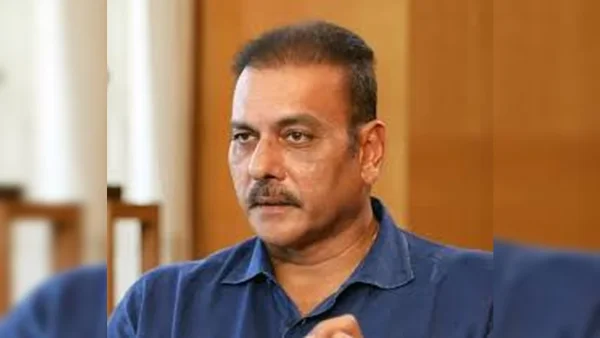
The governing body, the Apex Council, agreed to name the Level 1 Stand for Shastri as a mark of his work as a player, a captain, and a coach. Shastri became well known, too, as someone who spoke about the game on radio and television; the MCA said that the decision was a tribute to his many ways of helping the sport.
The stand is right under the press box at Wankhede – a place where players, the media, and fans all meet. Giving such a noticeable and central place to Shastri shows the association wants to honour people who made cricket what it is, both on the pitch and off it.
Gates to honor Sardesai, Solkar and Edulji
Three gates at Wankhede will now be named after three Mumbai cricketers who are known for what they did for the game. Gate No. 3 will be renamed for Dilip Sardesai, Gate No. 5 for Diana Edulji and Gate No. 6 for Eknath Solkar. Each name shows a different time, and a different type of contribution.
Dilip Sardesai played in 30 Test matches, and 179 first-class games between 1960-61 and 1972-73; he was praised for the style of his batting, and for his good results when playing overseas. His gate will remind fans of a batsman who did well in hard conditions at a key time for Indian cricket.
Diana Edulji was among the first to make a name for herself in the women’s game, playing in 20 Tests and 34 One Day Internationals from 1976 to 1993. Giving Gate No. 5 to Edulji shows the part women have played in Mumbai cricket, and shows the city’s wish to honour success in both the men’s and the women’s game.
Eknath Solkar, who is thought to be one of the best close-in fielders there has ever been, played 27 Tests and seven ODIs for India. His determination, and his all-round play, showed what a tough age of cricket was like, and Gate No. 6 will be to mark his energy and skill in the field.
Legacy and impact on Mumbai cricket
MCA president Ajinkya Naik said that the decisions were a duty to honour those who had given pride to the city and the country. He said that what was being done showed the association’s wish to value its past, and to give hope to future players.
These namings have two jobs to do: to keep records, and to teach. They turn the buildings of the stadium into a sort of hall of fame where those who watch, and young players, can find out the stories behind the growth of Mumbai cricket – and so make a link between what was done in the past, and what people hope to do now.
What this means for fans and future generations
Fans going through these gates, or watching games from a stand named after Ravi Shastri, will be given physical reminders of the history of cricket. The dedications give people a daily reason to be inspired, and a chance to learn about the careers that made up national and local identity in the sport.
The announcements may lead to events, unveilings and celebrations by fans, which will link those who support the game today with those who are being honoured. Cricket schools and youth programmes in the area can also use these events to teach history, and to give the next set of Mumbai cricketers something to aim for.