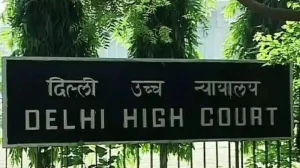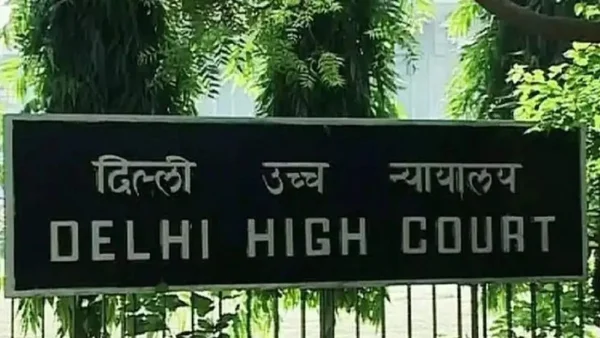
The High Court has given the Copyright Office eight weeks to decide if an AI system can officially be listed as the sole author of artwork. This is because Stephen Thaler has been waiting a long time for a response to his application to register art made by DABUS.
Case background
In March t 2022, Stephen Thaler applied for copyright of an image he called “A Recent Entrance to Paradise.” He says DABUS, which he describes as being able to create things independently with its own internal “thinking” processes, created the image entirely on its own.
Thaler took the Copyright Office to court because they hadn’t made a decision on his application for nearly four years. The office responded with a “discrepancy letter” saying that, as the law currently stands, only a person can be an author, and they asked for a human to be named as the author, along with a written permission statement.
Legal questions under the Copyright Act 1957
The Copyright Act does acknowledge work created by computers, but it doesn’t specifically say anything about non-human authorship. This is the central problem in the case: can a machine be considered an author, or does authorship have to belong to the person who made the machine create the work?
Thaler believes that because DABUS is what actually produced the work, it should be the author. He does suggest that if the Office needs a human name because of Thaler’s involvement in making DABUS work, DABUS could be listed as a co-author.
Global precedents and administrative practice
In the US, the UK and the EU, courts and other authorities have generally said no to giving authorship or inventorship to anything that isn’t human. These rulings have tended to say that only people can be legally recognized as authors or inventors within the current legal rules.
India has been flexible in the past. The Copyright Office did register a work of art called “Suryast” with the AI tool listed alongside a human who had worked with it, using prompts and a base image. This shows that different cases have been handled in different ways, and it’s not easy to work out how much a human has to do to be considered involved.
What the court order requires and timeline
Justice Tushar Rao Gedela noticed the Copyright Office had a hearing scheduled for April 27, 2026, and told the Registrar of Copyrights to make a decision as quickly as possible. The court wants the office to ideally decide within eight weeks of the hearing.
The court is trying to get a process that has stopped moving to start again, and isn’t necessarily trying to create new laws. However, the Registrar’s decision will probably be a significant administrative decision, and might cause a court to review it, or the government to change the law.
Implications for creators, industry, and policy
If the Copyright Office says an AI can be the sole author, it would greatly expand what copyright can cover and bring up questions about who owns the art, how it’s licensed, and the rights of the creator. The rights would end up being held by machines, which currently can’t legally own or benefit from copyrights, and this would make things much more complicated for businesses and enforcing the copyright.
If the Office says an AI can’t be an author, then anyone applying for copyright will have to name a human author or the person who caused the work to be created, like the developer of the AI or the person who wrote the instructions for it. This would force the government to update the laws to say who has the rights and responsibilities for art made by AI.
Next steps for stakeholders and lawmakers
This case shows how much we need a clear legal definition of AI authorship, how ownership is tracked, and who is responsible for what. Copyright Offices, artists, technology companies and lawyers should all start developing rules for giving credit, licensing, and solving disagreements that take into account how AI works.
As the deadline for a decision gets closer, it will be a test of how the current system and how we interpret the law deal with creative systems that make it hard to tell the difference between a tool and the author. The outcome could affect similar applications all over the world and speed up the demand for clear changes to the laws about intellectual property.