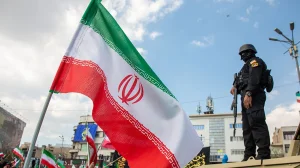
The FICCI report says that the conflict is showing up in problems for Indian industry because of its effect on energy prices, shipping, and the price of raw materials. The industry group wants quick action to protect businesses from the immediate effects of these issues, while also speeding up changes to the economy so it’s stronger in the long run.
Across manufacturing, logistics (getting things transported) and services, businesses are being disrupted because shipping costs and insurance are going up, increasing how much it costs to operate. Small and medium sized businesses are really struggling to get the cash they need when supplies are late or bills are suddenly higher than expected. FICCI says acting quickly can stop a chain reaction of businesses failing to pay their bills and production stopping completely.
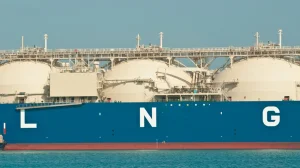
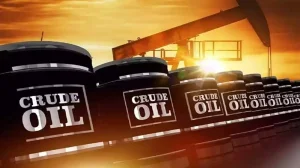
Exporters (companies that sell goods to other countries) say it’s taking longer to get goods to their destinations and the costs of moving them between ships (transshipment) are increasing. Businesses that import are being hurt by the unpredictable price of crude oil and gas, which affects how much it costs to make things and leads to more inflation (prices going up generally). FICCI says these first warning signs mean we need to both deal with the immediate problems and rethink strategy.
Short-term measures for continuity and mitigation
FICCI suggests emergency funding for MSMEs to help with their short-term cash flow and to be able to continue paying employees. The report also says the government should give advice on “force majeure” (legally being allowed to not do something because of events beyond your control) to protect companies that have contracts and can’t deliver on them because of the conflict.
To actually do things, companies should combine shipments, decide which orders are most important, and adjust production to what supplies they have. Many companies have formed special teams with people from different areas to deal with shortages as they happen and to work with shipping companies around the world to get space on ships and reduce delays.
Financial resilience and scenario planning for firms
For industry as a whole, the approach should be to be financially stable and keep operations running. Businesses are being told to create a budget for a ‘Middle East Crisis’ to see how sales, profits and investments in the future would do if the conflict lasts for different lengths of time and gets worse in different ways.
Companies should get more credit available, find different places to borrow money from and protect themselves against currency changes to protect their cash. They should also look at their insurance and check how financially sound their most important suppliers and customers are, to limit the chance of problems spreading. It’s also still vital to improve computer security as companies use digital systems to respond to the crisis.
Energy transition, diversification, and efficiency priorities
The report points out that this is a good time to speed up the change to cleaner energy to be less dependent on other countries. Suggestions include getting oil and gas from more places through long-term agreements, expanding gas infrastructure in India, and increasing the amount of oil we have stored in our strategic petroleum reserve.
Increasing renewable energy (like solar and wind) and low-carbon technology is a major part of the government’s plan. FICCI suggests investing in green hydrogen, battery storage and biogas to rely less on the fluctuating fossil fuel market. Businesses should look at using many different types of fuel, biofuels, electricity and energy audits to improve how much energy they use, and using AI to monitor how things are going.
Supply chains, manufacturing clusters, and trade infrastructure
To reduce the risk of relying too much on one source, the report says to get supplies from a wider range of places, develop sourcing within India, and get the parts they need to make things themselves. Creating new industrial areas in different places can spread out the ability to produce things and make supply chains more robust.
Another important thing to do is to make logistics more reliable. FICCI recommends looking at alternative trade routes, increasing how different kinds of transport are connected and investing in digital tools to track things in real time. These steps are meant to make delivery times shorter and reduce reliance on one shipping route by sea or by land.
Policy interventions and collaborative road map
The report urges the government to discuss policy on several fronts, including emergency loans for MSMEs and advice on force majeure for government contracts. It also suggests asking the GST Council (a body that oversees the Goods and Services Tax) to consider including petroleum products in the GST to lower costs and make the supply chain run more smoothly.
Long-term policy options include increasing strategic reserves, negotiating long-term energy contracts with a variety of suppliers, and encouraging investments in clean energy. FICCI sees the conflict as an opportunity to quickly implement big changes to the economy that will make it stronger and less vulnerable to outside issues.
In conclusion: the conflict in West Asia causes immediate dangers and important strategic needs for India. Putting the recommended short-term solutions into action and at the same time speeding up changes in energy, supply chains and manufacturing can lessen the impact of problems and create a more reliable economy. The FICCI report says industry and government need to work together to deal with uncertainty and take advantage of the opportunity to make improvements.