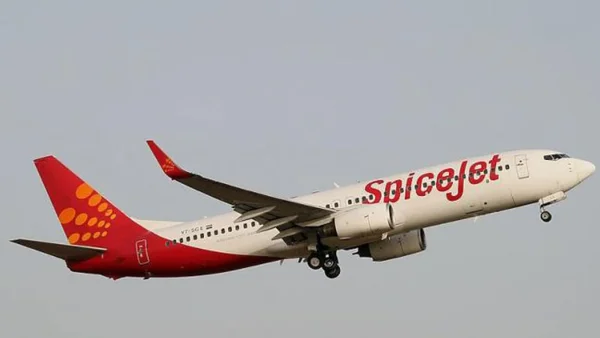
A commercial court in the UK said SpiceJet needs to pay roughly $8 million to Sunbird France 02 SAS. The court found SpiceJet had no good way to respond to Sunbird’s claim regarding the unpaid rent and engine maintenance. This court decision is another financial and legal blow to SpiceJet, which doesn’t have a lot of cash.
Details of the lease dispute
Sunbird wanted the money for rent from January 2022, and for maintenance on the engines from November 2020, for three engines. They officially told SpiceJet they hadn’t paid in July 2022, and then took the engines back between the end of 2022 and the middle of 2023.
Before taking back the engines, Sunbird had asked SpiceJet for the money and for the things SpiceJet was supposed to do according to their contract. The court’s decision confirms Sunbird’s calculations of how much is owed and their rights under the engine lease agreements.
Court ruling and procedural failings by SpiceJet
The Commercial Court in London made the quick decision because they said SpiceJet didn’t have a reasonable chance of winning the case. Court records show SpiceJet hired lawyers in Britain, but didn’t submit a formal response to Sunbird’s request, or any kind of defense.
A ‘summary judgment’ is a quicker way to settle a case when the person being sued doesn’t have a believable argument. In this situation, because SpiceJet didn’t formally defend themselves, the court could decide SpiceJet was responsible for the money and order them to pay, without a full, lengthy trial.
Immediate financial consequences for the airline
This $8 million SpiceJet now owes adds to the increasing financial strain on the airline. They’ve already announced they are losing more and more money and their debts are more than their assets. In recent financial reports, the accountants looking at SpiceJet’s books have said they aren’t sure if the airline will continue to operate.
Because the engines have been taken back and the terms of agreements have been broken, SpiceJet has fewer engines available. This limits how many planes they can use, which means flights are being cancelled, routes changed, and they could lose money, all of which makes their cash flow problems even worse.
Operational background and market pressures
SpiceJet has had two major setbacks which have totally changed their position in the market: the Boeing 737 MAX planes being grounded (so they couldn’t fly) and the COVID-19 pandemic. These issues sped up problems with their fleet and caused them to lose customers to newer airlines that were increasing how much they could carry and attracting passengers.
Implications for lessors, creditors, and employees
SpiceJet has been trying to reduce costs and reduce the workforce, including telling employees to take time off without pay. Reports say almost 500 workers were going to be affected at first as the airline tried to lower costs to match a smaller, more efficient way of operating.
For companies who lease or lend to airlines, this decision shows them what they can do to get their money when a company fails to meet the terms of a lease. Taking the plane back and going to court to recover money is more likely to happen when a company is continuously short of money and can’t meet the requirements of the contract.
Employees are immediately suffering because of late salaries and reduced work hours. People SpiceJet owe money to, like suppliers, might start trying even harder to get their money, and anyone thinking of investing in SpiceJet or giving them advice about restructuring will carefully look at whether they can get their cash flow back to being positive.
Outlook and potential next steps
SpiceJet can try to appeal the court’s decision or come to an agreement with Sunbird. However, to succeed with an appeal, they’d have to show the court was wrong to say they had no realistic defense. Or, SpiceJet could try to get new money, or make deals where they don’t actually own the planes (asset-light arrangements) to get things stable.
This case emphasizes how important it is for airlines that don’t make a huge profit to carefully plan how much money they have available. Companies that lease to airlines will probably make the terms of their leases stricter, and those SpiceJet owes money to might ask for stronger promises or some kind of security in the future.
In conclusion, the court order in the UK puts even more pressure on SpiceJet when they already have limited money and are trying to change how they work. Whether SpiceJet can get back on its feet and avoid more legal and operational problems will depend on how they deal with needing money quickly, their relationships with people they owe money to, and having enough planes available.