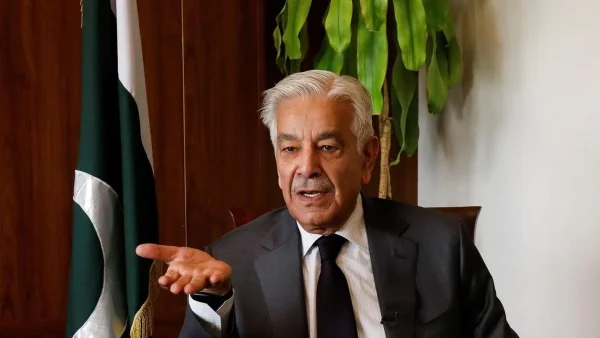
Asif’s heated statements about Israel as “evil” and “cancerous” resulted in a quick and strong negative reaction, and they made people question Pakistan’s position as a negotiator. Israel’s government said the language was shockingly antisemitic, and that it destroys Pakistan’s argument for being neutral as it gets ready to host peace discussions.
Background on Pakistan’s mediation and the fragile ceasefire
Pakistan is getting credit for getting the United States and Iran to agree to a two week pause in fighting and was going to have another round of talks in Pakistan. That truce hasn’t been very strong, and different leaders in the area have already made it harder to understand exactly who is included and what the truce is about with what they have said publicly.
Context of Khawaja Asif’s public remarks
While Islamabad was hosting peace talks, the Defence Minister used X (formerly Twitter) to accuse Israel of “genocide” in Lebanon. He said Israel is “evil and a curse for humanity”, and then wrote something saying to be rid of Jewish people in Europe. This is a very clear example of antisemitism and called for completely destroying them.
Official Israeli response and condemnation
The Israeli Prime Minister’s Office called Asif’s statement “outrageous” and said a government that says it will help with peace can’t use that kind of language. Gideon Sa’ar, Israel’s Foreign Minister, said the remarks were obvious, hateful lies about Jews, and said Israel will defend itself against anyone who says they will destroy it.
Implications for Pakistan’s credibility and regional mediation
Immediately, these comments make people doubt Pakistan’s ability to be fair in a discussion. Being neutral is the most important part of being a good mediator. If a high level official says things that are likely to cause a big reaction, it could push the people negotiating away and make them lose faith in the fairness of the place where the talks are happening, even before the talks have begun.
Risk to the ceasefire and ongoing hostilities
Experts say that language that creates strong divisions can ruin even a weak ceasefire by making people more emotional and more firmly stuck in their positions. Israel says they will continue their military actions against Hezbollah in Lebanon and insists that there isn’t a ceasefire in Lebanon. This shows that the situation on the ground is still unstable, despite the diplomatic efforts.
Diplomatic options and likely next steps
Pakistan has a very difficult choice to make in its diplomacy: they can continue to say they support mediation, explain or take back what the minister said, or they could lose the trust of the people they need to talk with. Other countries in the world and the region might push Pakistan to give a formal explanation to make sure the upcoming negotiations aren’t ruined.
Broader regional and international consequences
These statements aren’t just about the talks that are happening now; they could also affect Pakistan’s general relationship with countries in the West and other countries in the region. When mediation depends on people thinking you are fair, strong and inflammatory language from important officials makes tensions worse and makes it harder to reach agreement.
Outlook for the Islamabad talks and concluding observation
As the talks planned for this weekend get closer, this problem adds more worry to negotiations that were already complicated. For the mediation to be successful, there will need to be careful repair of the damage done, open and honest communication and a new promise to be fair from everyone involved if the ceasefire and the talks that follow it are to last.