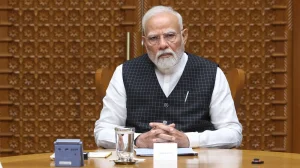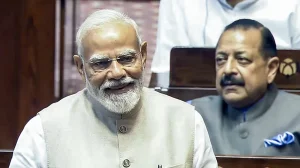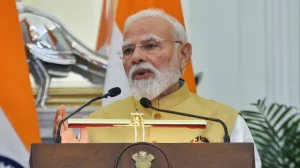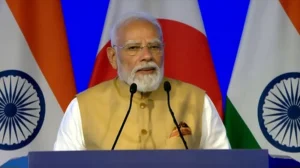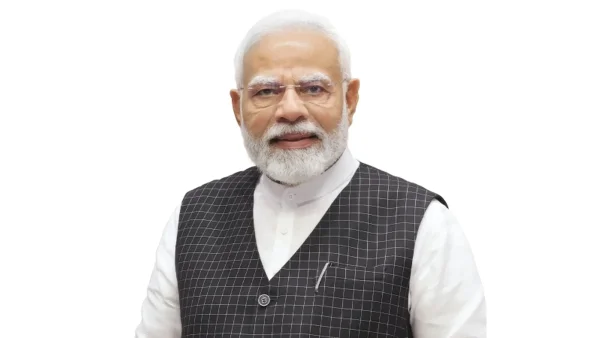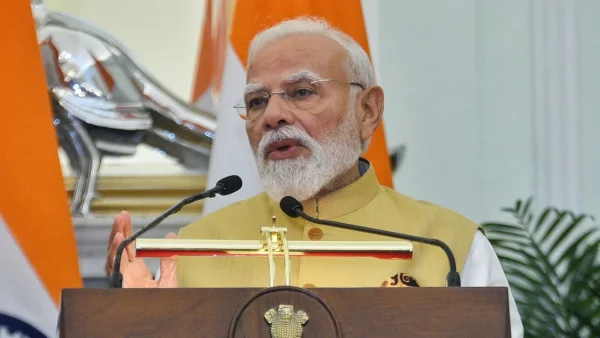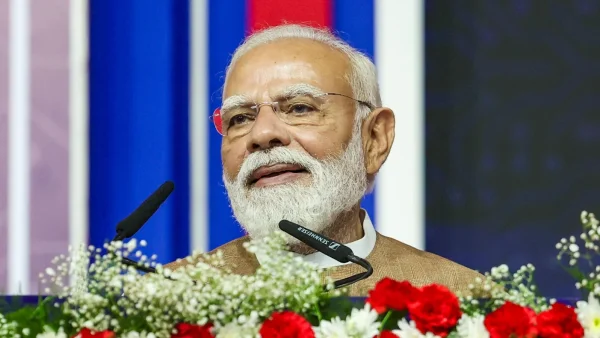
Prime Minister Modi said on Thursday that reserving places for women in government is something we need to do now, and he wants a quick, bipartisan decision to get it done. He believes it would be really bad if it was delayed, and he indicated that Parliament will have a special session soon to get the process started for the 15th Lok Sabha election in and will have to be implemented by 2029.
PM Modi’s Call: Women’s Reservation Is the Need of the Hour
In a post on X (formerly Twitter) and an article he wrote, Modi stated that when women have a reserved number of seats, India’s democracy will be more lively and include more people. He didn’t present this as simply another law, but as a response to what millions of women want, and a chance to make our democracy even stronger.
The Prime Minister pointed to all the things women are doing and achieving in science, technology, starting businesses, sports, the military, music and the arts. He said that over the years, investments in education, healthcare, giving women access to banking, and providing basic needs have allowed women to make progress. However, the number of women in politics hasn’t improved at the same rate.
Modi is asking all MPs to work together on this, saying it’s a chance to reinforce the values in our Constitution and empower women (Nari Shakti). He says passing this law for women to have reserved seats will be one of the most important moments of his political career.
Inside the Nari Shakti Vandan Adhiniyam
The Constitution (One Hundred and Sixth Amendment) Act of 2023, also known as the Nari Shakti Vandan Adhiniyam, sets aside 33 percent of seats for women in the Lok Sabha and all state assemblies, including Delhi’s. It also says that within those reserved seats, a certain number will be for women from Scheduled Caste and Scheduled Tribe groups.
The way the 2023 law is written, the seats for women would change from election to election. But it’s tied to a redrawing of voting district lines which will happen after the 2027 census. Because of this order, if nothing changed, it wouldn’t actually go into effect until around 2034.
The government says that women’s voices in government should be increased immediately. Modi said that in the past, over many years, committees were formed and bills were proposed, but none of them became law. The 2023 act was a success, and passed in both houses of Parliament with a lot of agreement.
A 2029 Start: Proposed Amendments and Seat Expansion
To make it happen faster, the Union cabinet has approved a draft of a new bill to put the women's reservation into effect in time for the 2029 Lok Sabha election. Parliament will meet for a special session from April 16 to 18 to look at the plan and make the necessary changes.
The main points being discussed include increasing the number of seats in the Lok Sabha from 543 to 816 and then setting aside 273 of those for women. These reserved seats would include a portion of the seats already reserved for Scheduled Caste and Scheduled Tribe candidates, guaranteeing a proportional number of those seats within the women’s one-third share.
Most importantly, the changes are intended to separate the women’s quota from the schedule for redrawing voting district lines after the 2027 census. One idea is to use the 2011 census data for redrawing boundaries, which would mean we wouldn’t have to wait so long for the new lines. The same type of system is planned for state legislatures, with a proportion of places reserved for women that matches the number of seats each one has.
The government wants to start this in 2029, so it will close the gap in how many people are represented more quickly and won’t have to wait until the next ten years. Modi said that every time it’s delayed, it makes democracy less inclusive, and that women in leadership positions need to be present in the places that create the country’s laws.
Most people across all political parties are for what the government says it’s trying to do, but there are still questions about the process and politics of it. Some opposition party leaders want a meeting with everyone before the session to go over the details, and get clear information about when things will happen and how districts will be redrawn.
Consensus, Concerns, and Calls for Wider Consultation
Several state leaders generally agree with the idea, and some are very clear that redrawing districts must be done in a way that is open and just for everyone. The government says it’s important to continue the agreement that allowed the 2023 law to be passed and to all stay together on this important national priority.
This special meeting of Parliament will reveal if they can agree on the smaller details of the change, while still making sure that a third of the seats are for women in the next election for the country, and in all state elections after that.
Having more women in the bodies that make laws isn’t just about fairness, it actually changes what those laws are about and how decisions are made. When legislatures are more varied, they tend to bring up a wider range of views on things like health, schools, safety, roads and buildings, and chances to make money, which then makes the government work better.
Why Greater Representation Matters for Governance
In India, women have already proven they can lead at the local level, and the fact that more and more women are involved in the economy shows there’s a lot of political ability that hasn’re being used yet. Officially giving women a place in the Lok Sabha (the main part of Parliament) and in state legislatures would bring the way the country is governed in line with the way society and the economy actually are.
Actually making a third of the seats for women will need a lot of careful planning. Deciding which areas will be chosen to rotate the reserved seats, including the quotas for Scheduled Castes and Scheduled Tribes, and making sure it all happens at the same time in all states will require a lot of cooperation. It’s going to be important to have very clear rules about redrawing districts, and especially if the 2011 census is used as the basis, to avoid arguments.
Implementation Hurdles and the Road Ahead
Political parties will also have to find and support more women to run for office, give training to those who are elected for the first time, and make sure women have support within the party on the ground. Passing the bill in Parliament is a big step, but the change will really last if the parties and institutions embrace the idea behind the change.
Now all attention is on the meeting from April 16th to 18th. Important things to look for are the final wording on how districts will be redrawn, the plan for increasing the number of seats, and how the rotation of reserved seats will be handled in each election. People will also see if both parts of Parliament can act quickly and together.
What to Watch as Parliament Convenes
If the change to the law is approved, it will allow the Election Commission and similar groups to start taking action. The aim is simple: make sure women’s places are reserved starting in 2029, have open and understandable rules for the rotation of seats, and have everything settled well before the next general election.
Modi has emphasized how important this is. He said this is a key moment to move towards equality, strengthen democracy and recognize how important women are to India’s progress. The next few days will show if Parliament can turn that idea into a permanent change in the system.