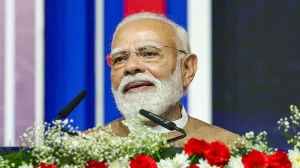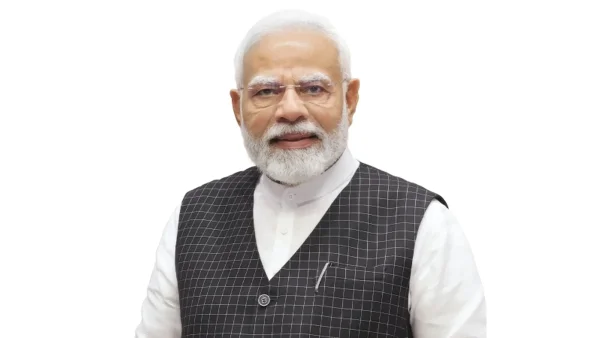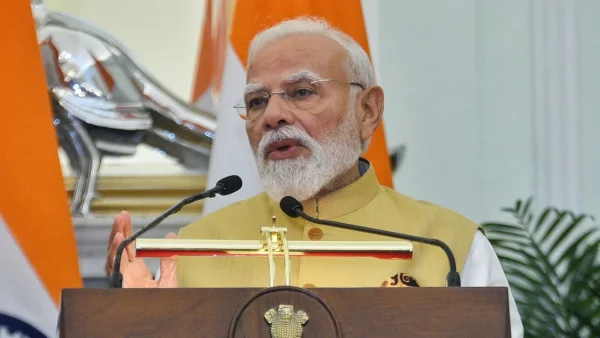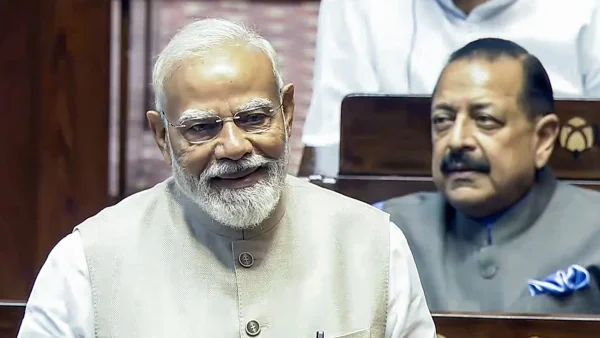
Specifically, Narendra Modi directly asked the lawmakers to support the change to the Nari Shakti Vandan Adhiniyam, saying that parties should be more important than politics as the Lok Sabha is getting ready to vote. He said millions of women in the country are watching what happens, and asked the MPs to vote to get more women into government.
Modi’s appeal to parliamentarians
On X (formerly Twitter), Modi said that the late-night talks cleared up misunderstandings and solved problems that had been brought up during the discussions. He explained the debates went until t0am, and logical answers were given to those members who were still unsure about what the amendment would do or how it would work.
Modi said the vote is a test of MPs’ consciences. He wants them to think about the women in their own families, and all the women voters. He’s asking for kindness and a unified approach, and says that it’s been long enough to keep delaying giving women a set number of places in the government because of politics.
Details of the proposed amendment and timeline
The bill being considered is the Constitution (One Hundred and Thirty-First Amendment) Bill, 2026. It would create a 33 percent quota for women in Parliament and state assemblies. Other bills will add this quota to certain union territories and change the borders of voting districts.
The government also mentioned the Nari Shakti Vandan Adhiniyam from 2023, which was officially in effect from April 16, 2026. Officials say this new group of bills is meant to allow the plan to happen as early as and 2029, depending on the proposed redrawing of districts and the legal procedures.
Parliamentary dynamics and voting math
The party currently in power doesn’t have enough votes (two-thirds) to change the Constitution by itself, so it absolutely needs support from other parties. Lawmakers had a very long debate before the scheduled vote this evening, showing how important this is and how close the vote will be in the Lok Sabha.
Because so many people need to agree, the vote will show how much parties trust each other, and how they are planning for the upcoming national elections. If it is passed by everyone, it would be a very unusual moment of agreement in the legislature and would fundamentally change how political representation works.
Opposition concerns and government responses
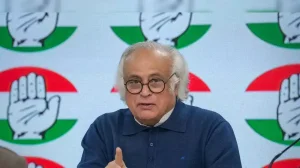
Some opposition parties, especially in southern India, say the Delimitation Bill (the bill to redraw the districts) is unfair and that the quota for women is a way to hide other plans. They want assurances that the new districts are drawn fairly, and the whole process is open and clear.
The government has responded by saying they have answered concerns and given members the information they were missing. Modi urged the MPs to not do anything to upset women, and to think about the larger benefits for democracy that would come with having more women in government.
Potential impact on representation and the electoral map
If these changes happen, one-third of the seats in the legislature would be for women, and this would likely change how candidates are chosen, how parties plan their campaigns, and who is in the representative bodies. Those who support this say it could speed up the move to having a government where men and women have equal influence in decision-making and make democracy even stronger.
The Delimitation Bill would also raise the number of seats in the Lok Sabha to 850 and change the boundaries of the districts, which would change the voting areas before this is put into place. Lawmakers and those affected will need to balance the technical details of redrawing the districts with the goal of giving women more chances to be involved in public life.