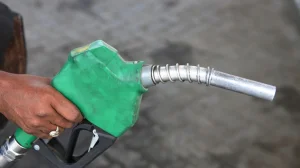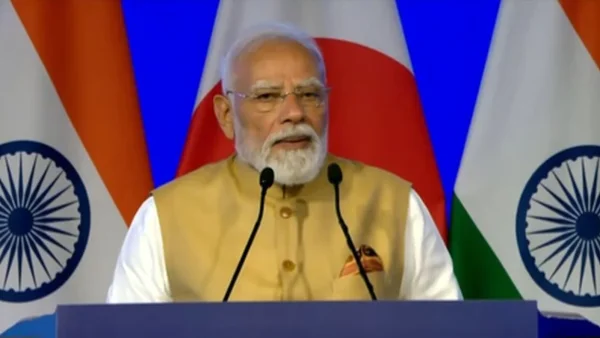
The fuel situation is thin these days. Tensions in the Strait of Hormuz have made markets nervous. In a speech in Vadodara on 11th May, the PM put it bluntly: this is one of the decade’s major crises and he wants Indians to shoulder some of the responsibility so the economy doesn’t take a hit.
In his 11th May appeal, the Prime Minister outlined immediate steps for citizens and officials to consider:
– Reduce unnecessary petrol and diesel consumption
– Avoid non essential foreign travel
– Postpone gold purchases
– Use public transport wherever possible
– Revive work from home, online classes, virtual meetings
You can see that appeal at work in the protocol now. The Centre and others have started to pull back. There are even reports the PM has made his own convoy smaller to be more frugal and is pushing for more electric vehicles on official errands.
From appeal to action in Maharashtra
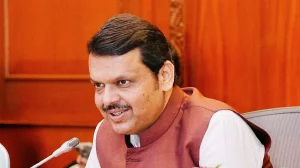
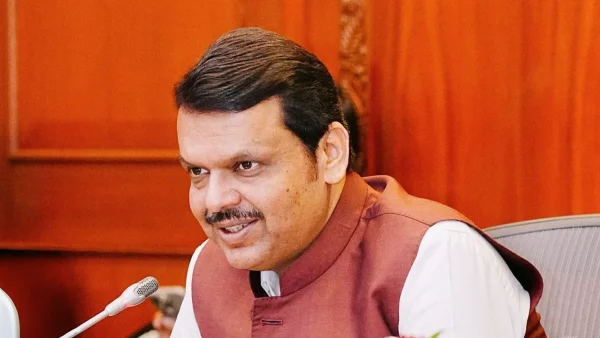
Maharashtra has been quick to put that into practice. Word from the CM’s office is that Fadnavis was in the cabin with the rest of the passengers for his trip to Bengaluru, not in a government plane. And if you were in the capital a day before, you would have seen him on a motorcycle heading to Vidhan Bhavan, forgoing the heavy security detail he normally has.
It’s all part of a new set of rules the state has put in place. We’re talking about cutting ministerial convoys in half, reining in foreign travel and the use of choppers unless there’s a need. Even at the Raj Bhavan, they’ve been told to look at how they deploy their convoys.
Departments are being told to make do with a video conference or to carpool. Some top brass have been given the instruction to be on public transport once a week or so.
The point is to be seen doing what you’re saying. In the last few days, you’ll find BJP men in other states have done the same – left the chartered flights and hopped in a metro after some flak for being too showy.
Optics, policy, and the road ahead
There’s more to it than just optics. Every bit of fuel you don’t burn is a little less pressure on your import bill and your forex reserves, and with things as they are in the Middle East, that matters. The idea is to make these workarounds the new normal.
Why an economy seat matters now
Fadnavis’s choice to fly economy is a case in point. It gives other administrations a blueprint to follow. If they stick with it, you could see a change in how VIPs and the machinery of government move around. For the rest of us, the hint is to be a bit more mindful of how we get from A to B and to think of it as something we all put in to, not a burden.
It’s a good example of a national exhortation trickling down to the state level and to the leaders themselves. Now it’s a matter of following through and making sure the cost-cutting holds up.