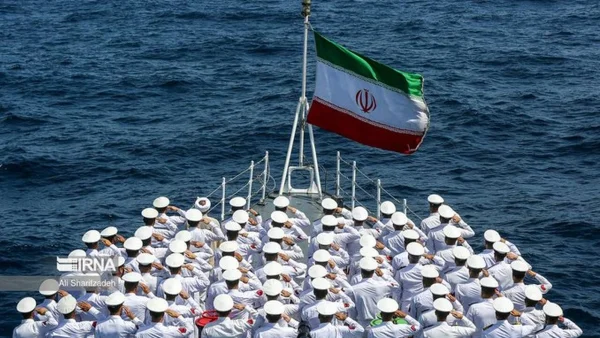
Araghchi said on X that the Dena had been hit by a torpedo around 2,000 miles from Iran’s coast as it came back from the MILAN 2026 multi-national naval drills in India. He made the point that to attack a foreign warship while it was simply going from one place to another in peace breaks the rules of the sea and will have effects for a long time.
The minister insisted that the almost 130 sailors on board had been taking part in exercises run by the Indian Navy, and that the ship was therefore under India’s protection. He said the US would deeply regret setting the precedent of attacking an Iranian ship at sea.
Sri Lankan officials said the strike happened about 40 sea miles off the south of the island, inside Sri Lanka’s search and rescue area and close to the city of Galle.
They have so far found 87 bodies and rescued 32 people. The sailors who were saved were taken to Karapitiya Teaching Hospital in Galle to be looked after, and the search goes on for the many crew members still missing.
The event took place in international waters, not near the Persian Gulf, and has made people ask again about safety in the Indian Ocean and how well countries work together in emergencies.
It means that, as far as Iran is concerned, the Dena should have been given the normal respect and protection that goes with taking part in exercises with many countries and making a safe trip back – even though this status does not give complete protection from being attacked in war.
Pentagon people have released video which they say shows a Mark 48 heavy torpedo hitting the back of the frigate. Defence Secretary Pete Hegseth described the operation as the quiet end of the ship. US officials said the Dena was a right target, as it was linked to attempts to lessen Iran’s naval strength.
Washington hasn’t said when its work is going to finish. Officials say that continued pressure has cut Iran’s ability to launch missiles and drones. US planners say the strike on the Dena is part of a wider plan to make Iran pay for its military building, even outside the Gulf.
The two accounts are very different.
Tehran says the attack was without reason and against the law; Washington says it was a fair action against a ship used for fighting. Now the focus of evidence is on the rules for fighting, what intelligence was used to make the decision, and if warnings were given before the torpedo was fired. Araghchi’s claim that no warning was given goes to the very heart of the idea that standards at sea are being broken.
This could make the Indian Ocean more unstable for everyone involved.
The danger of setting a precedent is real. If countries come to accept torpedoing warships far from where fighting is officially taking place, companies insuring ships that carry goods may look at the risk again, navies may be more ready for trouble when they travel, and countries with coastlines may want to be told more.
At the moment, search and rescue is still most important, with Sri Lankan teams looking in the waters south of Galle. It looks certain that there will be diplomatic trouble, as Iran says it will make formal complaints and possibly take action in return, while capitals in the area think about calls for working together and avoiding conflict across the Indian Ocean.
Reports of wider attacks between Iran, the United States, and Israel show the chance that events at sea will happen more and more as pressure rises. Whether this sinking will be a turning point will depend on finding out the facts clearly, making the legal reasons clear, and quickly getting the countries in the area to talk to each other.
As the stories become more fixed, the main things that matter are clear: getting someone to answer for the lives lost on the IRIS Dena, protecting trade routes in the Indian Ocean, and making sure international law about the sea is kept up. Without these, the shock of one torpedo could turn into a long-lasting loss of safety on the sea lanes.