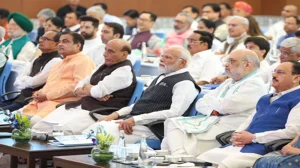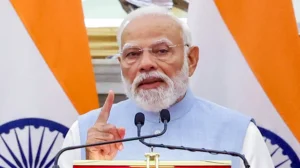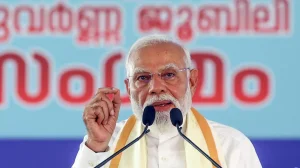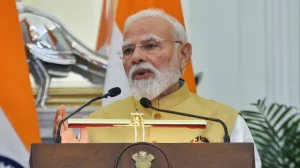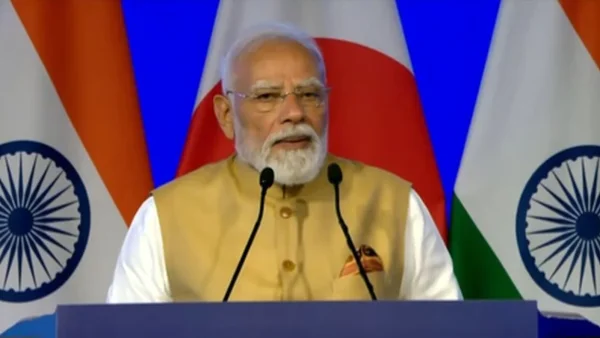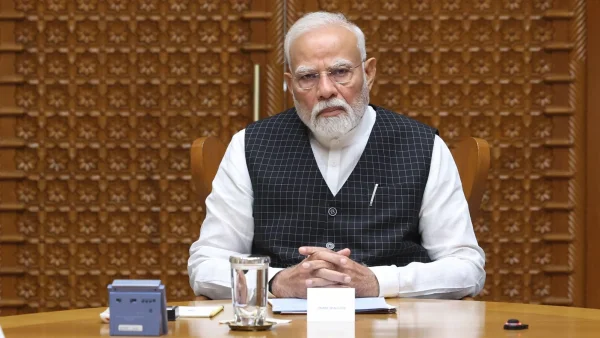
The Prime Minister led a very important video conference with the Chief Ministers to look at the country’s readiness because of the worsening situation in Western Asia. This discussion focused on planning for emergencies, the central government and states coordinating their efforts, and steps to keep essential supplies stable as the rising tensions around the world affect the price and availability of energy.
Purpose and scope of the meeting
Many important ministers from the national government and leaders from the states got together on the video call to consider the dangers and agree on what needs to be done immediately. The central government has already talked to all the political parties and the Prime Minister spoke in both parts of Parliament to emphasize how serious the situation is.
The discussion focused on the government as a whole working to deal with potential problems in how things are delivered, transportation, and the economy. People in charge went over the contingency plans that are already in place and said that all the states should use them in the same way to avoid problems with getting things to people or providing services in certain areas.
Preparedness, contingency plans, and domestic stability
The state governments were told to carefully watch the price and amount of essential goods, and to discourage people from buying and storing up too much. The central government repeated the procedures for a quick response, including working with the police and the departments in charge of making sure people have what they need, to keep the peace and to make sure supplies keep coming.
The Prime Minister also told the states to be clear with the public so people don’t get alarmed. Officials said that keeping the public calm is as important as actually having the supplies during a time when the political situation around the world is unstable.
Attendance, absences, and administrative protocol
N. Chandrababu Naidu, Revanth Reddy, Yogi Adityanath, Omar Abdullah, Bhagwant Mann, Mohan Yadav, Hemant Soren, Pushkar Singh Dhami, Bhupendra Patel and Devendra Fadnavis were among the Chief Ministers who were on the video call. The Ministers of Home and Defence from the central government were also there.
The Chief Ministers of states that are having elections soon – Kerala, Tamil Nadu, Assam, West Bengal and Puducherry – weren’t at the meeting because of the election rules. But officials said they will have a separate meeting with the top officials of those states to make sure their concerns are taken care of.
Energy security and maritime coordination
The fighting, which began on February 28 and includes many different groups, has interrupted how energy is moved around the world and has increased the price of oil and gas. The meeting looked at what is being done to protect our energy imports and to make sure we have enough fuel in the country.
The Ministry of Petroleum and Natural Gas told the public that there is enough gasoline, diesel and LPG all over the country. Officials said that there aren’t any shortages and that the system for getting these fuels to people is working normally, even though the worldwide supply chains are under pressure.
Maritime safe passage and international engagement
A spokesperson for the Ministry of External Affairs said that the country is actively using diplomacy to make sure energy shipments can safely go by sea. They pointed out that Indian ships have continued to travel through the Strait of Hormuz and many ships carrying LPG have arrived safely after going through it.
When India gets its energy, it considers how the market is doing, what’s happening in the world, and how important it is to have supplies for 1.4 billion people. The government said that it will keep talking to other countries to protect the shipping routes and to get energy from more than one place if necessary.
Misinformation, public messaging, and next steps
Officials cautioned about a planned effort to spread false information to create unnecessary panic. The Petroleum Ministry asked people to get their information from official sources and to avoid buying things just because of rumors, as this could cause shortages that aren’t real.
In the future, the central government and the states will continue to watch the markets, how things are being delivered, and the security risks. Plans for emergencies include sharing information in real-time, keeping track of how much stock is available and making specific changes to how things are managed to make sure the country is stable and to protect people’s way of life.
This important meeting shows that the country is getting ready and working together to deal with the worldwide effects of the crisis in Western Asia. By concentrating on being prepared, having secure energy supplies and clearly communicating with the public, the government wants to keep essential services going during these unpredictable times internationally.