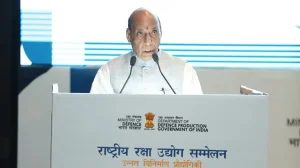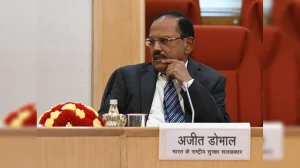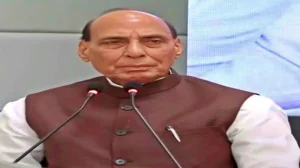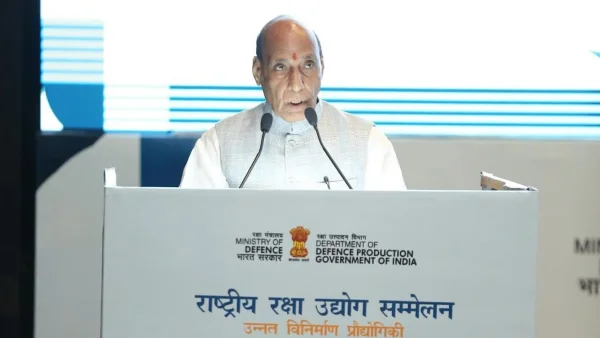
On Tuesday in New Delhi, Rajnath Singh held a long meeting (about 90 minutes) with the most important people in the Defence department – including the Chief of Defence Staff and the heads of the Army, Navy and Air Force. They examined how ready we are to act, and what options we have, because they’re increasingly worried things could get worse and spread to involve India.
Scope and purpose of the defence review
During the meeting, officials gave the Defence Minister a clear picture of what’s going on and how prepared we are. They specifically considered what could happen that would affect India, and looked at where our forces are, how we’re watching the seas, and how we can get things where they need to go to protect both Indian interests and Indian people who are living in other countries. The leaders said all parts of the military need to work together to be able to respond quickly and appropriately if the situation worsens. and it’s important to respond in a measured way.
The review showed that we need to have plans that can both discourage attacks and calm things down. Those at the meeting thought about a variety of possibilities, from attacks on ships to dangers to Indian property in the area. A lot of importance was given to sharing information, having ways to know about trouble early on, and keeping open communication lines between the government and the military.
Maritime security and the Strait of Hormuz concerns
The discussion about defence paid a lot of attention to the Strait of Hormuz, which is a vital route for India’s oil and gas. Officials explained how if something happens to that shipping route, it will affect the supplies of fuel and fertilizer, and so they are making plans for other routes and keeping extra fuel in reserve. They also mentioned increasing naval patrols and working more closely with the companies that own the ships.
They also looked at how well we know what is going on in the sea to spot dangers to cargo ships, and to make sure ships flying the Indian flag can get through safely. The Ministry looked at how the Navy, along with planes watching from the air, could offer multiple layers of protection and give warnings quickly to reduce the financial and human cost if trouble happens at sea.
Energy security, supply chains, and domestic measures
Before the defence review, Prime Minister Narendra Modi told Parliament that the situation in Western Asia is worrying and he outlined steps to lessen the effect on things in India. He said that over the last eleven years India has increased the number of countries we get energy from from 27 to t41, which means we aren’t so dependent on one route or one country. This broadening of supply was a major topic during strategy talks.
The government is making certain that petrol, diesel, and LPG continue to be available without interruption, and are actually increasing how much LPG is made in India. They are keeping track of the amount of coal at power stations to be ready for when people use more electricity in the hot summer months. They have backup plans which include using the country’s strategic oil reserves and looking at other ways to ship and insure energy supplies to keep them flowing.
Agriculture, fertilizer security, and economic resilience
Officials informed the Defence Minister about fertilizer and grain reserves, saying that we have enough and are taking steps to shield farmers from problems with supplies from around the world. The Prime Minister pointed to six new urea plants that will add 7.6 million tonnes of capacity as a safety net against problems with imports. The authorities are working to make sure fertilizer gets to farmers on time for the Kharif growing season.
They also discussed how to make sure credit is available and farming communities can survive. Leaders emphasized that keeping food supplies from farms going is essential for keeping society stable, and government organizations will work closely together to avoid shortages or price jumps in specific areas.
Diplomatic context and next steps
The defence review happened before the Prime Minister is scheduled to speak in the upper house of Parliament about the crisis in Western Asia. This shows the government is approaching the issue from all sides. Officials said that the situation, which has been going on for over three weeks, is putting stress on global trade and energy markets and needs fast diplomatic work to calm things down. India will continue to try to find a peaceful solution, while still protecting its own interests.
The Ministry has indicated they will continue to watch things and be prepared to change their actions as the security situation changes. By coordinating defence, diplomatic efforts, and the economy, New Delhi intends to lower the dangers to its people, keep important supplies coming, and maintain stability despite the uncertain situation in the region.