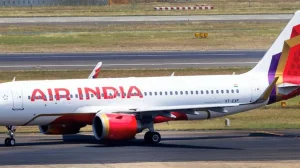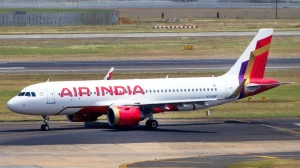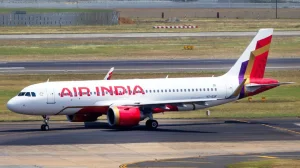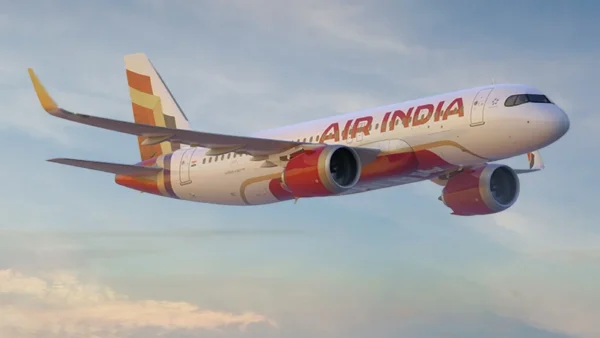
That Air India A350-900, flight AI111 with registration number VT-JRF, left Delhi early Thursday morning and got back to Indira Gandhi International Airport that afternoon as a safety measure.
Flight Details and Timeline
The flight to London departed Delhi at approximately 6:13 am local time and had been flying for about four hours when the pilots decided to turn the plane around. Flight tracking data shows it had flown around 3,300 kilometers before changing direction and flying back to Delhi.
After nearly seven hours from leaving the gate, the plane finally landed in Delhi. From where it was in Saudi Arabian airspace, London was still six or seven hours further on the originally planned route, so the crew and the people in charge of the operation decided it was best to return to Delhi.
What Triggered the Mid-Air U-Turn?
People onboard the aircraft heard a noise, and that’s why the pilots went back. Air India said the landing was a precaution after a possible mechanical problem, and the plane landed safely for a detailed examination and repairs.
This particular A350 had been inspected recently after a technical problem on a previous flight. The airline worked with the plane’s manufacturer on the repairs, and at the time, they didn’re find anything wrong. The aircraft did a number of flights after that before Thursday’s incident.
Aircraft History and Previous Incidents
In fact, VT-JRF, this A350-900, has been involved in a couple of recent diversions and checks. In mid-March, it had to land in Shannon, Ireland during its trip between New York and Delhi, and it had some earlier inspections because of a reported problem. Those events led to increased maintenance and observation of all planes in the fleet.
This is the second time in a week that an Air India flight has had to turn around after being in the air for a long time. Other airlines have also had to make long turns during flights, because of changing flight restrictions in the area. It’s becoming more complicated to operate flights as airlines change their routes to avoid areas with regional conflicts.
Air India Response and Passenger Care
Air India says the aircraft is undergoing a lot of technical assessment following the airline’s safety rules. The airline is sorry for the trouble this has caused and is working to finish the checks so the plane can fly again, and they are emphasizing that safety is more important than sticking to the schedule.
Passengers were given snacks and help after the plane landed as a precaution. The airline says it’s doing everything it can to get passengers on other flights and to limit further delays. However, they didn’t immediately have information on exactly how many passengers were on board or what their new travel plans are.
Operational and Safety Implications
This event shows that even a small or occasional technical problem can cause a big disruption to operations when combined with long flights over the ocean and limitations in airspace. Airlines and the people who oversee them generally choose to be careful in these situations to keep passengers safe and to make sure people have faith in flying.
As more and more long-distance flights are done with planes like the A350-900, airlines will likely do more monitoring and inspections for any problems that happen repeatedly. And for people traveling, this incident is a reminder that turning a plane around as a safety measure, even though it’s annoying, shows the many ways safety is built into flying, and that lives are more important than being on time.