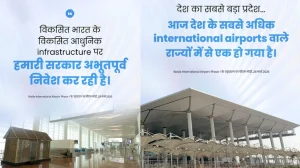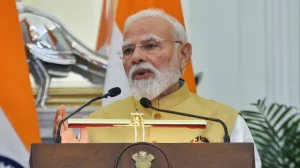
On March 28th, Prime Minister Modi will officially open Phase I of Noida International Airport in Jewar, a big deal for Uttar Pradesh and the Delhi-NCR area. Opening it will help with the pressure on Indira Gandhi International Airport and improve business, travel and India’s aim to be a major center for international air travel.
Inauguration and national significance
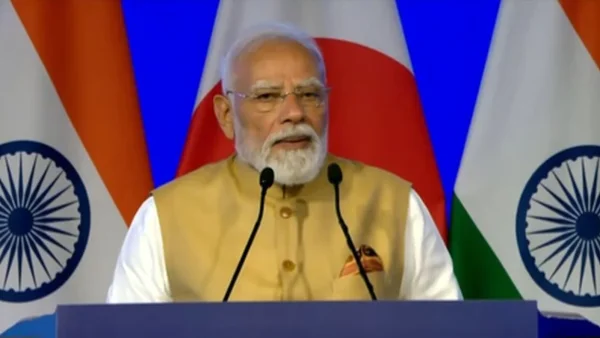
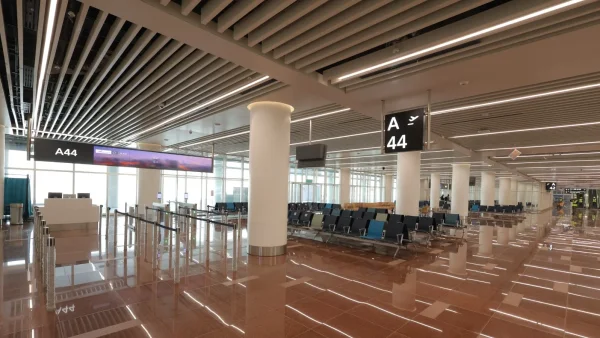
Before officially opening the airport, the Prime Minister will look around the terminal and then speak to a crowd of people. This event shows how important the national government thinks big infrastructure projects are for growing the Delhi-NCR area and creating jobs.
The first part of the airport was built with a combination of public and private money and cost about 11,200 crore rupees. It’s a good example of how investment and how the airport is run are working together. People in government think this opening is an important policy step that will increase India’s ability to handle air travel and connect with other countries.
Capacity, runways, and passenger services
This first stage of Noida International Airport will deal with 12 million passengers a year, and the overall plan allows for up to 70 million in later stages. This step-by-step approach means the airport can grow as needed, allowing for investment and improvements to the facilities over time.
The airport has a 3,900-meter runway that can handle large, wide-body planes and has up-to-date navigation and lighting. These technical aspects will allow the airport to operate in all kinds of weather and to be used for long international flights and frequent flights within the country.
Transport links and regional connectivity
The airport is on the Yamuna Expressway and has direct road access. This will reduce the journey time for millions of people in the NCR. Those planning the airport believe that connecting it by road, rail and eventually the metro will make it easy to reach from Delhi, Noida, Greater Noida and nearby areas.
Noida International Airport will be the second international airport for the Delhi-NCR area and will work with IGI Airport. This should lessen crowding, improve how often flights are on time, and allow airlines to create more flight schedules at busy and quiet times.
Cargo ecosystem and Maintenance, Repair, and Overhaul (MRO) facilities
As well as passengers, Noida International Airport will have a cargo hub that can use different forms of transport, a place for handling cargo, and logistics areas. They aim to handle over 2.5 lakh metric tonnes of cargo each year at first, and eventually 18 lakh metric tonnes once it is fully developed.
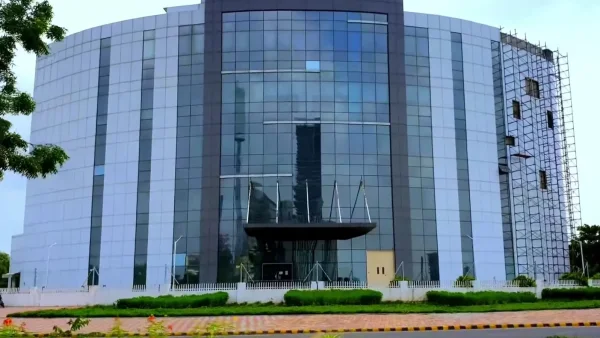
A separate 40-acre MRO (Maintenance, Repair, and Operations) facility will be available for plane maintenance and for parts supplies in the area. Experts in the industry think the cargo and MRO parts will bring logistics companies to the area, reduce how long it takes exporters to ship goods, and improve how local factories in northern India are connected.
Sustainability, design, and cultural integration
The airport is being built to have no net effect on the amount of carbon dioxide released into the atmosphere, using systems that save energy and ways of doing things that are good for the environment. They have included renewable energy, efficient building systems and environmentally friendly land management to reduce carbon use and how much of the earth’s resources are used.
The buildings use designs and themes from Indian culture, and are inspired by traditional ghats and havelis, combining old styles with the modern needs of an airport. This design is meant to give the airport its own character, make the experience of traveling better and show it is a modern, sustainable airport.
Because of this, the opening of the first part of Phase I at Jewar is important for the economy and for India’s plans. The project will mean faster travel, more reliable delivery of goods and a big improvement in infrastructure that could change air travel in the whole Delhi-NCR area for the next few decades.