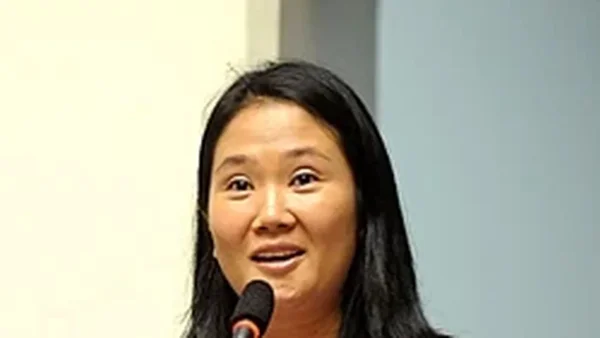
The numbers were put to rest on Friday when the top electoral officials made the result official. In the hours since, the conservative president-elect has put a spin on her hard-fought win, calling it a ‘new chapter’. She has the mandate, but she also has a public that is not at ease and a state worn down by disorder.
You can call it a hair’s breadth: 50.135 percent for her, 49.865 for Roberto Sanchez. It was one of the most finely drawn races in recent memory, and now the 51-year-old is in line to be the Andean nation’s ninth president in ten years. She is to be sworn in July 28 and hold the reins until 2031.
What the confirmation means for Peru
That puts an end to the waiting game. In Lima, election head Roberto Burneo made it plain: ‘I proclaim Miss Keiko Sofia Fujimori Higuchi as President of the Republic, and Mister Luis Fernando Galarreta Velarde as First Vice President of the Republic.’
Fujimori put her side of it on X, in words that were measured and firm. 'A new chapter begins. We take it on with responsibility, humility and a deep sense of duty,’ she posted, making it clear this is just where things stand to begin with.
A mandate won by the slimmest of margins
This is the fourth time around for Fujimori after three losses. When the divide is this fine, there is no margin for error. There is also an assumption she will have to put the institutions in order and find a way to govern an electorate that is anything but a monolith.
Immediate priorities and promises
Speaking from the party’s base, she made no bones about the plan: a hard line on law and order. ‘Peru needs to restore order in its streets, in its institutions, and in the State,’ she said. ‘We are not going to wait another minute… we are here to solve the country’s problems and start making decisions.’
She is well aware of the mood out there. ‘We know that citizens expect results,’ she conceded. The message is one of getting things done in a place where you have to deal with the kind of organised crime and political in-fighting that has defined the last few years.
For the moment, the focus is on a few things:
– Reassert control on streets
– Repair weakened institutions
– Move fast on decisions
Contestation and next steps for the opposition
There have been claims of impropriety from Sanchez. The authorities have put those aside, but the former candidate is now before the Inter-American Commission on Human Rights, which is enough to keep the heat on as the transition nears.
The plan is for the handover to go ahead. On July 28, she will be taking over from the interim, Jose Maria Balcazar. The question is whether a win this narrow will be enough to get along with the legislature and turn some of these plans into actual policy.
Regional reactions and political baggage
Then there is the name. Her father, Alberto, had his supporters for putting down the Maoists and curbing inflation between 1990 and 2000, but he also ended up in exile and prison for corruption and other crimes. It is a legacy that still stirs up debate among the voting public.
Some remember it fondly. ‘He wiped out terrorism… Thanks to him there are paved roads, schools in the countryside where nobody used to go,’ says Marta Palomino Quispe. For Keiko, it is something to be handled with care once in office.
Signals from abroad
On the right in the region, they have been quick to come on board. Javier Milei in Argentina and Chile’s Jose Antonio Kast are among them. Washington has weighed in as well. ‘The Trump Administration looks forward to deepening collaboration with the Fujimori Administration…’ said US Secretary of State Marco Rubio on Tuesday.
Abelardo de la Espriella, Colombia’s incoming hard-right president, put it in a video: ‘It will be fantastic to be able to share this presidency with a woman of your qualities…’
It is not going to be easy. A mandate like this, with the kind of expectations that come with it, means her first few moves will be watched closely. They will tell us if this so-called 'new chapter‘ is any good for the kind of stability Peru is after.