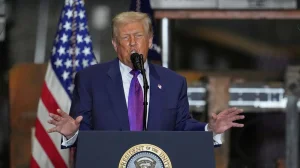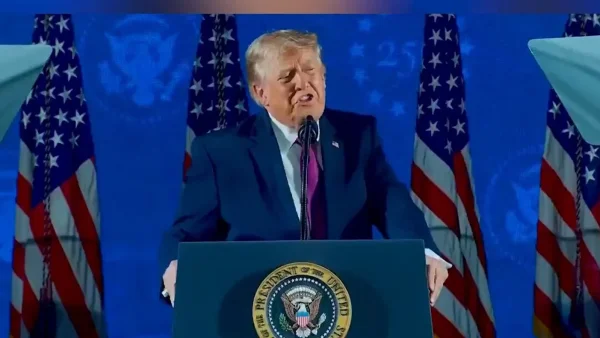
Donald Trump has lit a fire under the subject by clemency for six he claims were made to pay for ‘fixing their car.’ The White House has a different read on it: they say the charges were for flouting the law with unapproved vehicle modifications, and that the implications go well past the six in question.
Trump made it known on Friday via Truth Social, and in no uncertain terms. ‘It is my Great Honor to have just signed Pardons for six people who were persecuted by the Biden Administration, and were in, or being sent to, prison, for ‘fixing their car,” he posted. Then came the exclamation: ‘I AM SETTING THEM ALL FREE, RIGHT NOW!’
Clean Air Act cases, not routine repairs
A top White House official says the record is clear: these are Clean Air Act convictions. They revolve around the making or putting in of ‘defeat devices’ that let a car put out more than its share of pollutants by sidestepping what the feds require.
The 1970 law gives regulators the authority to make and enforce the rules. Go ahead and tinker with your emissions equipment or put in something to nullify it, and you are looking at civil or criminal trouble.
Why the pardons matter now
In Trump’s view, the Justice Department was being used to make examples of Americans. He has called it 'Weaponization and Stupidity‘ and sees the pardons as a way to right the ship, even if he hasn’t put a face to any of the six or gone into the particulars of their records.
A shift in enforcement
There has been a change of tune at the Justice Department. A memo from earlier in the year told federal prosecutors to let go of some of the open cases on defeat devices. It is a signal of where the priorities lie, though one should not be under the impression that evading emissions is now okay.
What motorists and mechanics should know
It is a straightforward line to cross. This is not a case of a minor adjustment; when it comes to excess pollution, it is a federal offence. Firms can be on the hook for fines or prosecution if they are in the business of selling or installing these kinds of systems, performance upgrade or not.
Here is how officials put it:
– ‘Defeat devices’ that bypass emissions controls are illegal
– Tampering with emissions-control systems can be criminal
– Standards are federally set under the Clean Air Act
– Exceeding legal emissions limits invites penalties
Key details still missing
You won’t find the names of the six or the nitty-gritty of their situations from either the president or his staff. So there is still some room for speculation on what they did, what they were up against, and what this means for other open files.
How clemency decisions are reviewed
Before a recommendation gets to the president, it is vetted by a group that includes Pardon Attorney Ed Martin, Chief of Staff Susie Wiles and Special Counsel David Warrington. In his second term, Trump has been more hands-on with the process.
It is as much a political as a practical matter. The messaging is meant to appeal to those who see too much in the way of red tape, while the administration is on record that there is risk in dodging the rules. With the case files not yet in the public eye, the talking points will have the last word for now.
For anyone with a shop or a vehicle, the advice is to stay on the right side of the law. Emissions controls are to be left alone. When in doubt, get it in writing and assume the feds are watching. The room for error is not there, and the fallout can be hard to take, no matter how routine the job may seem.