A threat to take down power plants and bridges has put Iran’s core infrastructure in the crosshairs, with US President Donald Trump warning of expanded strikes next week unless Tehran agrees to negotiate. The warning lands as air raids enter a fourth consecutive day and a naval blockade is restored around Iranian ports.
Escalation Pledge Targets Power and Transport
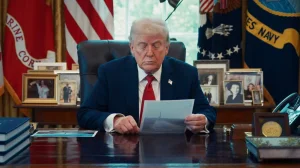
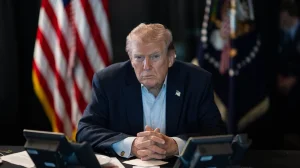
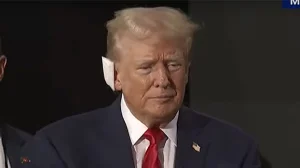
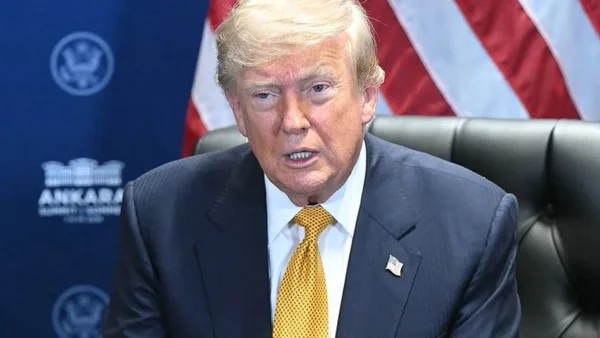
Trump said in a broadcast interview that the next phase would target critical infrastructure if Iran refuses talks. ‘Next week it gets really bad for them because next week comes the power plants. Next week comes the bridges,’ he said.
He added: ‘We’re going to knock out all their power plants. We’re going to knock out all their bridges unless they get to the table and negotiate.’ Asked about the duration of the campaign, Trump replied: ‘They’ll continue until I say it’s enough.’
In a separate clip shared by his allies, he signalled a rapid tempo of strikes over several nights, before saying next week would be far tougher for Iran. The remarks frame an overt pressure track aimed at extracting a negotiated settlement.
Airstrikes Enter Day Four, Blockade Restored
The comments coincided with intensified military activity. US forces carried out strikes on Iranian targets for a fourth consecutive day and reimposed a maritime blockade around the country’s ports and coastal areas.
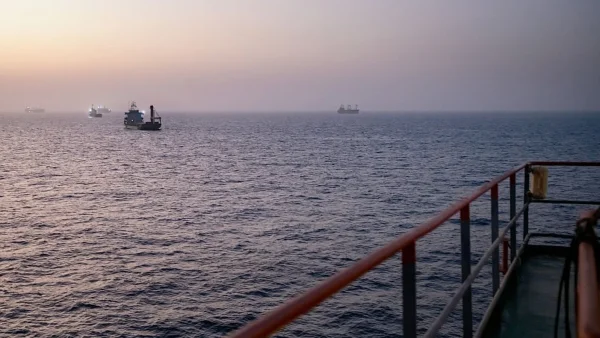
US Central Command said the blockade resumed at 4 pm ET, supported by more than 20 US Navy warships and hundreds of military aircraft deployed across the Middle East. The renewed moves have further weakened a fragile ceasefire reached on June 17.
Hostilities are now concentrated on control of the strategic Strait of Hormuz waterway. With forces positioned at sea and in the air, both sides are contesting leverage as diplomacy stalls.
Here are the key developments to date:
– Fourth consecutive day of US strikes
– Blockade reinstated at 4 pm ET
– Focus on the strategic Strait of Hormuz
Tehran Rejects Talks After Memorandum Dispute
Tehran has condemned the reinstated blockade, arguing it has effectively ended an understanding that had paused hostilities to open space for talks. Iranian officials say the United States has walked away from earlier commitments.
Deputy Foreign Minister Kazem Gharibabadi said Washington had ‘completely dismantled’ the Islamabad Memorandum of Understanding by restoring the blockade and abandoning its obligations under the agreement. He said Iran no longer considered itself bound by the memorandum and ruled out fresh talks.
‘Iran will never request negotiations with the United States,’ Gharibabadi said in remarks carried by state media. The stance hardens Iran’s position as Washington signals a broader target set next week.
Stakes and Timelines
By linking next week’s actions to energy and transport nodes, the US is indicating where pressure will be applied if negotiations do not materialise. The timetable remains open-ended, with Trump stating operations will continue until he deems them sufficient.
Public statements from both capitals point to a widening gap:
– The US ties de-escalation to prompt negotiations
– Iran rejects talks after the memorandum dispute
What to Watch Next
Three indicators will show whether the crisis cools or deepens: any movement by Tehran toward talks, evidence the US expands targeting to power plants and bridges next week, and the status of the maritime blockade around Iran’s ports.
Absent a process breakthrough, the campaign trajectory remains defined by the president’s assertion: ‘They’ll continue until I say it’s enough.’ For now, the contest over the strategic Strait of Hormuz frames the next phase.