Ukraine says it downed five Russian ballistic missiles overnight, yet fires still tore through two Kyiv warehouses and a school was damaged. The mixed outcome spotlights the capital’s continuing exposure and Kyiv’s race to fortify air defences before winter returns. Officials also noted it was the first such ballistic intercept in almost two weeks.
Kyiv hit as intercepts claimed
Ukraine’s air force reported intercepting five ballistic missiles while acknowledging that other missiles and drones struck the capital. It said one ballistic missile and 25 drones hit 17 locations, with falling debris reported in 10 places.
Kyiv Mayor Vitali Klitschko said the strikes ignited fires at two warehouses and damaged a school. Emergency crews worked through the night as authorities assessed the spread of debris across multiple districts.
What each side is saying
Here is how key officials framed the events:
– Ukraine’s air force said five ballistic missiles were intercepted.
– Russia’s Defence Ministry said it targeted military manufacturing in Kyiv.
– Kyiv’s mayor reported fires at two warehouses and a damaged school.
– President Zelenskyy outlined a new joint air defence push.
Why the timing raises the stakes
Ballistic missiles are harder to defeat than drones or cruise missiles, making any successful intercept notable. Ukraine’s air force said it was the first time in almost two weeks that ballistic missiles had been downed.
Ukrainian air defences likely used the US-made Patriot system, widely viewed as the most effective way to counter ballistic missiles. But ammunition for the system has been in short supply amid the Iran war, adding urgency to Ukraine’s resupply and integration plans.
Moscow’s objective and the broader contest
Russia’s Defence Ministry said its strike aimed at military manufacturing facilities in Kyiv that produce long-range missiles and drones. The statement came as Ukraine continues long-range strikes on Russian targets, especially oil facilities.
Moscow wants to choke off Ukrainian strikes on oil facilities deep inside Russia that have caused critical fuel shortages, frustrating the public and, Western analysts say, hindering the Russian army’s advance on the front line inside Ukraine. That contest of reach and resilience underpins both sides’ targeting logic.
Europe’s shared shield and a 12-month target
Kyiv’s drive for stronger protection gained a political boost as nine other countries joined Ukraine in a coalition announced Monday to build a shared ballistic missile shield for Europe. The move is seen as important for Kyiv’s air defence effort ahead of colder months.
President Volodymyr Zelenskyy said Ukraine and its partners could jointly develop a mass-produced, low-cost system within the next 12 months. He was in Paris on Tuesday, attending France’s Bastille Day celebrations, as the diplomatic push continued.
Separate incident near Odesa
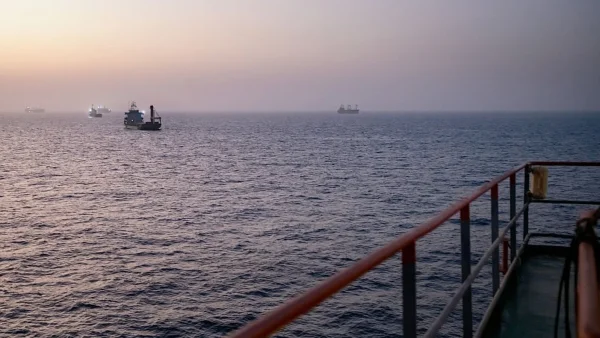
In another development, Ukraine’s navy spokesman reported a Russian military strike on a civilian vessel near the Black Sea port of Odesa. A civilian vessel is on fire near Odesa, Ukraine, July 14, 2026, the spokesman said.
What comes next
The overnight strikes reinforce two parallel tracks: Ukraine’s immediate need to plug gaps in its air defences, and its longer-term plan to pool capabilities with European partners. Whether new interceptors and a shared shield arrive at scale before winter will shape how much of the power grid, and the capital, can be protected.