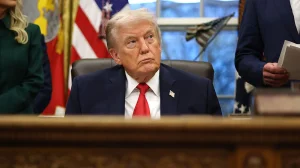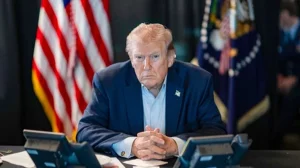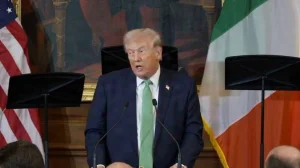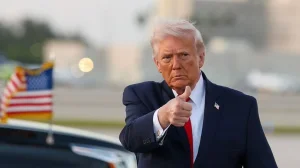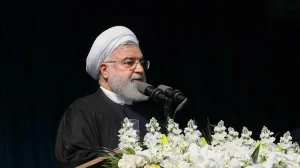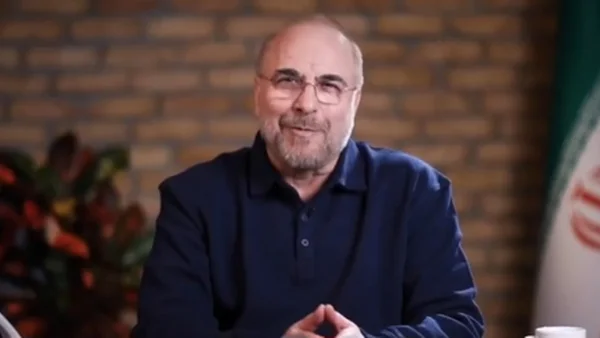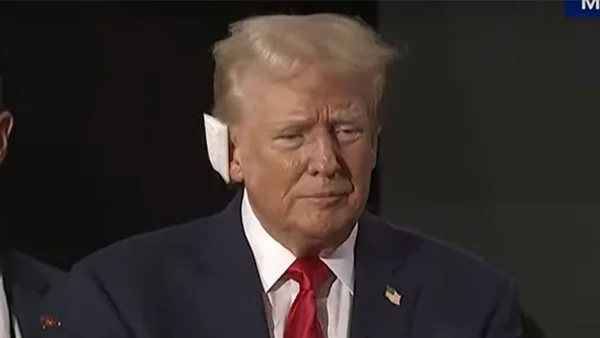
Trump insists his position is based on his own principles and isn’t because of Israel. He repeated, “IRAN CAN NEVER HAVE A NUCLEAR WEAPON.” He says Israeli leaders didn’t talk him into going to war and that his feelings about this have been consistent for years, and have been made more important by recent happenings in the region.
Trump also attacked most mainstream news and polls as untrue and ‘rigged’. He is using this to show what people are saying and the numbers from polls do not really show what people think or what is actually happening with his policies.
Allegations of outside influence and official reactions
Rumors have been going around that high-ranking officials from other countries asked Washington for something to be done before the attacks, and some former security people said Israel was secretly getting to the US to get them to act. These stories suggest Israel might have been trying to tell the US what to do, and has caused people to question how decisions are made at the very top of government.
The White House has said many times that these claims aren’t true. Trump didn’t mention any particular reports, but dismissed the idea that he was pushed into this by anyone. He insists he’s concerned about Iran getting a nuclear weapon and that’s why he chose to act, not because of any pressure from allies.
How the conflict escalated and military actions taken
The fighting got worse after the US and its allies did a series of attacks at the end of February. These attacks started a bigger fight in the region, with each side doing things to the other in many places and military readiness going up in important areas.
There was a lot more naval activity near the Strait of Hormuz, as each side attacked both commercial and military ships. This increased tension at sea, and made it seem likely that world shipping routes could be badly interrupted.
Diplomatic prospects and Tehran’s response
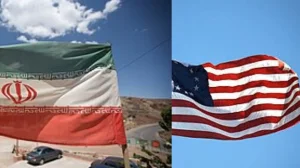
Efforts to solve the situation through discussion are very fragile because Iran hasn’t said it will join another round of talks. Tehran is hesitant and says Washington isn’t acting in a way that shows they are serious about diplomacy – they point to the seizing and blocking of ships as examples.
US officials respond by saying attacks on ships and other things they see as breaking a short truce are happening. Both sides say the other is sabotaging the talks, making it harder to start discussions again.
Regional and economic consequences of sustained tensions
Because of all this uncertainty, the market has changed, and oil prices have gone up as people fear fighting will start again and supplies will be stopped. The possibility of the Strait of Hormuz being closed and the dangers to ships have increased worries about having a steady energy supply and being able to move goods reliably.
The economy is unstable, although some normal things are slowly starting again in the areas affected. Airports are reopening and some services are being restored, but the military is still applying pressure and it’s not clear when a lasting truce will happen.
Political implications and the prospect of regime change
Trump thinks changing the Iranian government could lead to a better future for Iran, if the new leaders start making changes. This shows he wants to change who is in charge in Tehran, and it’s not just about using the military.
People in the US are still debating why this campaign started and what it is meant to achieve. Those who oppose it say it could make the conflict go on longer with no clear result, but those who support it say stopping Iran from having nuclear weapons is the most important thing.