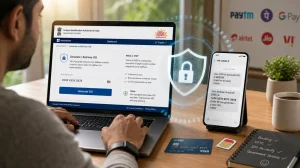
The telecom regulator has told smartphone makers this is happening to more strongly fight fraud and fake phones being used. The app’s important functions must work, and phone companies or their own software on top of the operating system can’t block or change those functions. It has to be easy to find when you first get the phone, not hidden away in a folder.
Why Sanchar Saathi matters
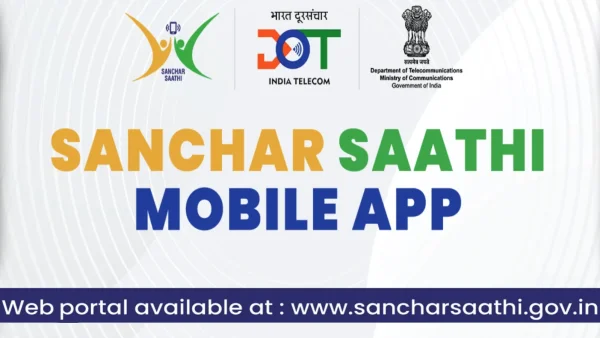
Sanchar Saathi started in and is a government service to stop telecom fraud, protect people, and make sure phones are legitimate. It brings together important tools for users to find problems and quickly do something about them. These include blocking lost or stolen phones using the IMEI so they won’t work on any network, checking which SIM cards are registered in your name and reporting any you didn’t authorize, verifying if a phone is real or a fake (this is useful when buying a used or fixed-up phone), reporting suspicious calls, texts, and links (even international calls pretending to be from India), getting information on staying safe online, and finding out which internet service providers are available in your area.
The app has been adopted quickly, with over 10 million people signing up, millions of requests to confirm SIM card details, and hundreds of thousands of phones blocked or found again through CEIR.
The policy backdrop: a broader cyber safety push
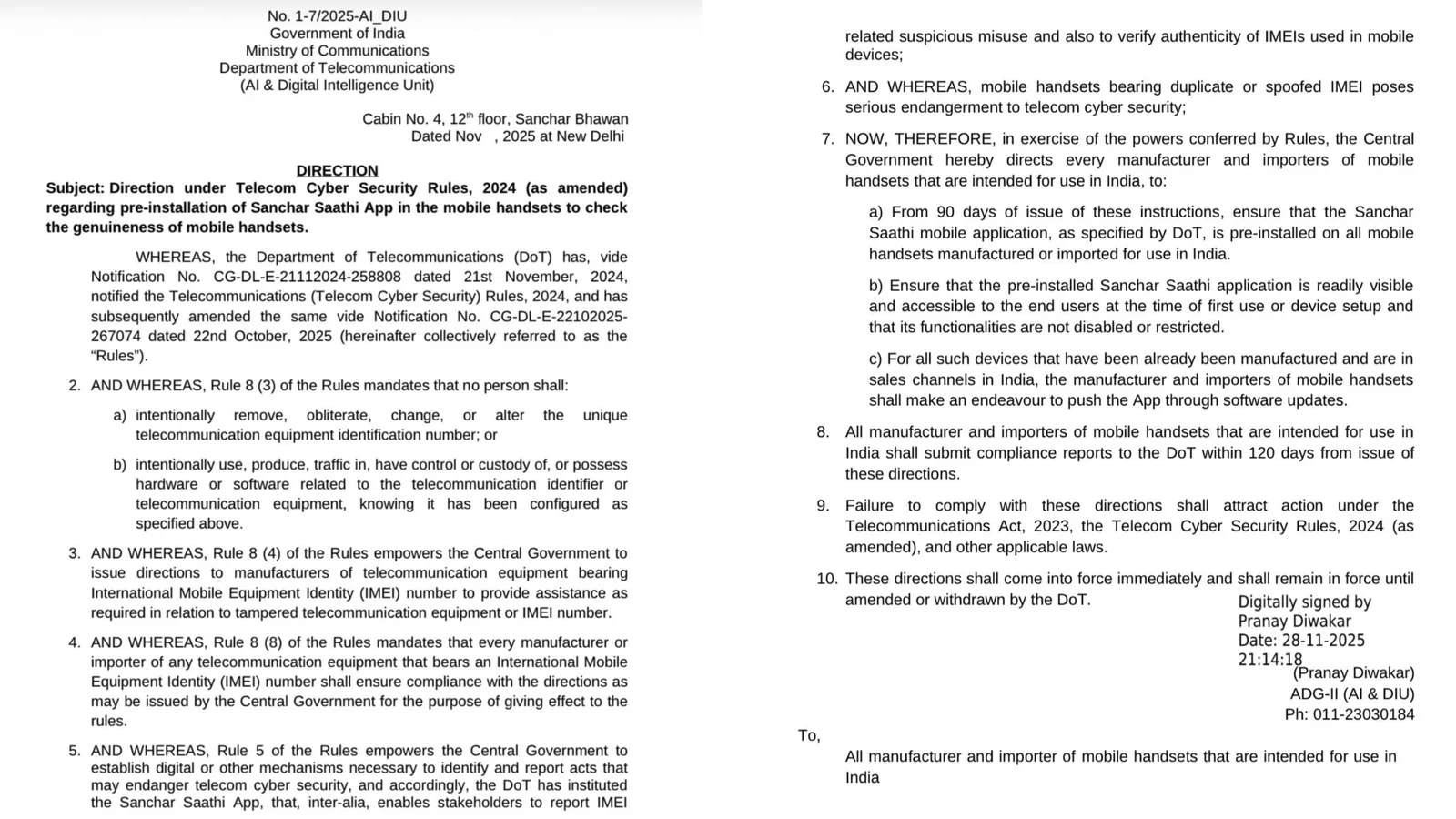
This comes from the Telecom Cyber Security Rules of 2024, which give the government more control over services connected to phone numbers. Recently, SIM cards have been tied to messaging apps (so the account only works on the phone the SIM was used to sign up with) and people are being forced to log out of websites from time to time. Social media companies have been asked to use a “Financial Fraud Risk Indicator” (a rating based on numbers that banks have flagged) and a list of phone numbers to cancel accounts tied to numbers considered very risky. Officials say these are essential to stop scams where people pretend to be someone else, calls from other countries using Indian numbers, and fraud that happens across borders.
What changes for manufacturers
For phone companies, this means the app will be built into the core software of the phone, they’ll need to make versions for different areas, and it will show up when you start the phone for the first time. They also need to send out software updates to phones already in stores and work with phone carriers and stores to make the app available when it should be.
To do this, they’ll likely need to create specific software and test it on all the different types of Android and iOS. The app needs to be in a clear place on the screen, with its features working, and the phone company’s own software shouldn’t limit the main functions. They’ll also need to document and show they’ve covered all phone models and versions.
Some phone companies have resisted being required to install apps on phones, saying people should have a choice, it might affect privacy, or the way their phones work. India has had similar arguments before, and companies have suggested ways to add privacy protections instead of apps that collect a lot of data. How phone companies and platform owners put Sanchar Saathi on phones without asking for too much access will be looked at closely.
Privacy, user choice, and security
There are two important things for consumer rights: whether the app will automatically get your phone’s IMEI number or if you’ll have to type it in, and whether you’ll be able to remove the app. If the app automatically gets the IMEI, they need to be clear about this. They should ask for as little information as possible while still being able to fight fraud, and this will help people trust the app. If you can’t remove the app, they need to be clear about what data it collects, how it is processed on your phone, and how long it is kept. A simple design and limited access will lower concerns about privacy.
What it means for consumers
From a security point of view, having CEIR and IMEI checking widely available can make it harder to buy or use stolen or fake phones. Reporting fraud and being able to see who is using your SIM card more quickly will probably stop people from using your identity and running “SIM farms.”
For regular users, it will be easier to get help when something goes wrong. If your phone is lost, you can quickly block it. If you get a suspicious call or text, you can report it without looking for a website. And before you buy a used phone, you can check the IMEI to avoid being ripped off.
If you have lots of phone lines or have updated your information for getting a SIM card, TAFCOP makes it easy to check all the SIM cards in your name and cancel any you didn’t authorize. Over time, if lots of people use it, it should lower the amount of scams and make it less worthwhile to steal phones.
Business, finance, and ecosystem impact
This will impact the markets for used phones and refurbished phones (IMEI checks and CEIR blocks will make it harder to sell non-compliant phones), banking and financial technology (the Fraud Risk Indicator and reporting fraud together can lower fraud losses and how much it costs to help customers), phone companies (fewer fake IMEIs mean less misuse of the network and it’s easier to follow the law), and phone and platform companies (it will cost more to build and support the app at first, but a safer system can make the brand more trusted and reduce the amount of customer support related to fraud).
What to watch next
They need to publish details about how the IMEI will be accessed and how much data will be collected. They need to say whether the app can be removed, and if not, how its access is limited. They need to give timelines and show it will work on all phones, no matter how much they cost or where they are sold. Finally, they need to measure how much fraud, misuse of SIM cards, and scam reports go down after the app is used by a lot of people.
In short, making Sanchar Saathi required on all new smartphones by March 2026 is a big step forward for phone security in India. If it’s done in a way that respects people’s privacy and is easy to understand, it can create a safe, convenient, and trustworthy mobile system.