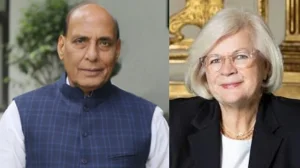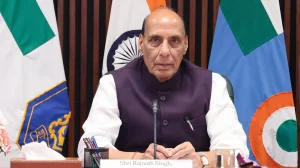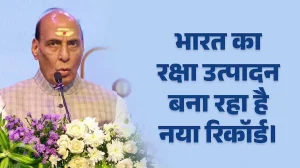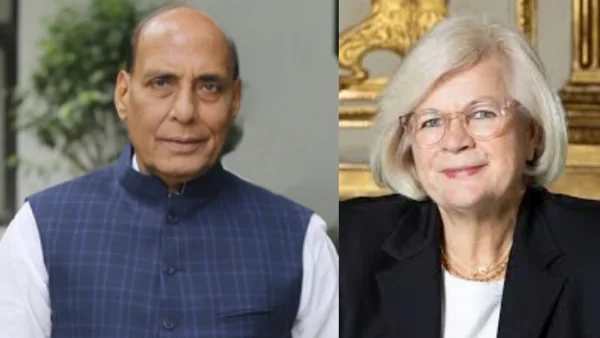
Defence Minister Rajnath Singh will be meeting with France’s Catherine Vautrin – his opposite number – in Bengaluru on February 17th for talks which are set to bring about real progress in defence work together. The two will jointly lead the sixth yearly India-France Defence Dialogue, with a focus on working with industry and the strategic link between the two countries.
Ministers to meet in Bengaluru on February 17
The meeting will go over all areas of defence work between India and France, and will decide what the priorities should be for the next ten years. People involved say the talks will include getting equipment, doing research together, training, and making sure the armed forces of both countries can work together. This will be Vautrin’s first official trip to India since becoming France’s Defence Minister on October 12th, 2025. Her being there shows the political push for closer relations between the two countries, and for a lot of contact at a high level between the two governments.
Expected agreements 10-year defence pact and missile joint venture
A deal on defence work is likely to be renewed for a further ten years; this will show that the strategic partnership will go on, and that the organisations involved will stay the same. Renewing the deal would give a firm legal basis for future projects and for defence industry work together. People involved also expect a memorandum of understanding for a joint business to make Hammer missiles to be signed during the meeting. A deal to make missiles in India would help with the transfer of technology, with local industry taking part, and with a reliable supply chain for India.
Inauguration of H125 final assembly and growing industrial ties
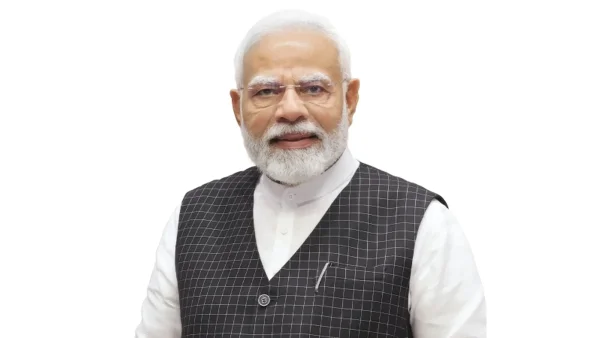
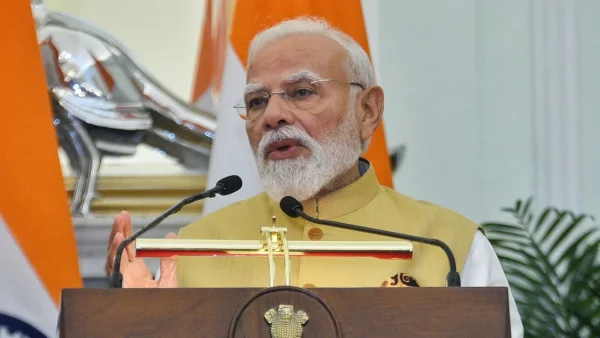
The ministers are expected to take part in the virtual opening of the H125 Light Utility Helicopter final assembly line at Vemagal, Karnataka. Prime Minister Narendra Modi and French President Emmanuel Macron will also be at the ceremony, which shows how important the project is politically. The H125 final assembly by Tata Airbus is an example of the growing link between the defence industries of the two countries, and of the ‘Make in India’ idea for civil and military vehicles. Such projects are intended to widen local manufacturing, make skilled jobs, and make the industrial work together between Indian and French firms deeper.
Military cooperation and reciprocal deployments
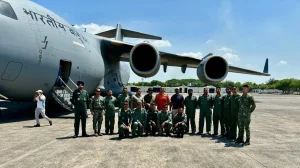
An announcement on the two countries sending officers to each other’s Army and Land Forces establishments is expected. Officer exchanges would make professional links stronger, improve understanding of military ideas, and make joint planning and training for operations better. India and France also regularly do military exercises – Exercise Shakti for the Army, Exercise Varuna for the Navy, and Exercise Garuda for the Air Force. Continuing and widening training work will support the ability of the two armies to work together and their readiness.
Strategic context and regional implications
The talks come with a background of India-Europe defence work becoming stronger, including the recent India-EU Security and Defence Partnership. This wider framework is intended to make engagement on technology, supplies, and regional security priorities deeper. High-level exchanges in recent years have made the links stronger, from state visits to ceremonial honours. The Bengaluru dialogue will likely make the agreement on defence industrialisation, joint development of abilities, and cooperative answers to regional problems stronger. Concluding remarks The February 17th meeting between Rajnath Singh and Catherine Vautrin could mean a real increase in India-France defence work, with projects which can be seen and policy commitments expected. People watching will look at the final agreements for signs of industrial partnerships, development of abilities, and the future direction of defence relations between the two countries.