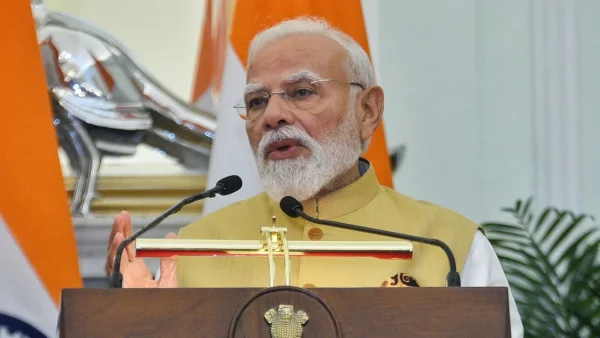
On Wednesday, Congress accused Singh of inappropriately and shamefully finding Pakistan not guilty. He said at the SCO meeting in Bishkek that terrorism isn’t tied to any country or religion, and no complaint or feeling, even if someone thinks it’s real, can make harming people or killing them okay.
What Rajnath Singh said at the SCO
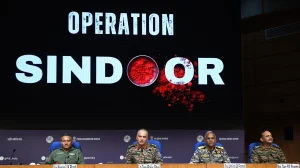
Singh referred to Operation Sindoor to demonstrate that the places where terrorists are based can’t expect to avoid being punished appropriately. He described India’s response to terrorism as strong, but also carefully measured.
Singh also told SCO members to be careful about terrorism that is supported by countries and crosses borders. He also warned against applying different rules to fighting terrorism, and asked for all countries in the region to work together consistently.
Congress charges and political framing
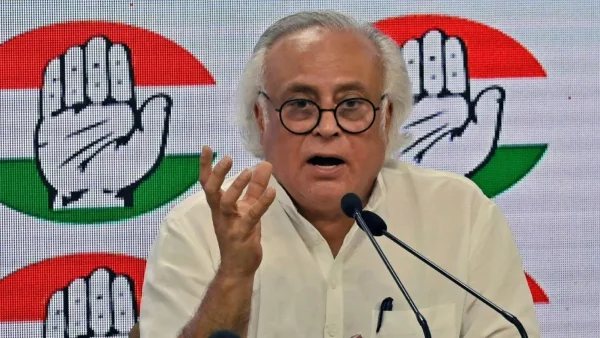
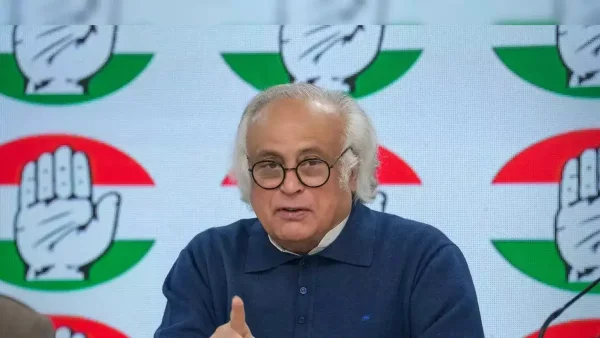
Jairam Ramesh, who is in charge of communications for Congress, said Singh’s words are, in effect, a pardon for Pakistan and were said with the Prime Minister’s permission. He said the statements are against India’s best interests and are part of a larger approach to foreign affairs.
Ramesh laid out a series of pointed questions and claims in his critique:
– Pakistan is the epicentre of terrorism
– Camps in Pakistan target India
– Ideological anti-India indoctrination persists
– Mumbai and Pahalgam attacks were Pakistan-based
– Policy reflects appeasement and capitulation
Ramesh repeated in a post in Hindi that Singh, with the Prime Minister’s approval, gave Pakistan a shameful “all clear”. He asked again about Pakistan's involvement in terrorism that happens across borders.
Why the remarks sparked backlash
Congress thinks Singh saying “terrorism has no nationality” makes Pakistan’s role in attacks on India seem less important. The opposition believes the minister could lessen how strongly India talks about Pakistan supposedly being involved by saying terrorism doesn’t respect borders.
However, Singh’s speech did emphasize watching out for terrorism that is sponsored by countries and crosses borders, and he warned against being inconsistent in how it’s fought. These two things together have caused a big political disagreement about the way the message was given, what the intention was, and what signal was sent at this important meeting for the region.
Political stakes and implications
Congress connects this situation to what they say is the government being too friendly with the United States and giving in to China’s demands. They say the minister’s words are part of this trend. They also likened the statement to something the Prime Minister said on June 19, 2020 about China.
This disagreement is causing people in India to think about how the country tries to fight terrorism. At the same time, New Delhi is discussing common security problems with the countries in the SCO. Singh mentioning that punishment is justified is different from Congress’s opinion that his way of talking makes it harder to accuse Pakistan.
The opposition has asked specific questions about what part Pakistan plays in terrorist attacks and in teaching people to become terrorists. The government’s insistence at the SCO on having no tolerance for terrorism, being consistent in the response, and taking action against the places where terrorists are based will continue to be carefully examined to see what it really means.
What comes next
For now, the argument shows that there is a growing gap in political opinion about how India should talk about its anti-terrorism policy in other countries. When regional security cooperation is the main focus, finding the right balance between having clear principles and specifically saying who is responsible remains the main point of discussion.