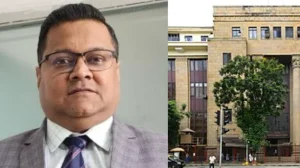
Kumar said the conflict probably won’t stop India’s economic growth, but will cause some problems in the short term.
Immediate economic risks from the conflict
Kumar identified the way oil prices change as the most straightforward way the conflict could affect India’s economy. If crude oil gets more expensive, it will cost more to import things, make the current account deficit bigger, and put downward pressure on the value of the rupee – if the conflict gets worse.
Exports to the area could be slowed by problems with shipping and less need for goods, and this might harm industries that sell a lot to the Middle East. Money sent home by Indian workers in the region may also fall in the near future, which would affect what people in a number of states are able to buy.
The safety of Indians living and working in the Middle East is also a worry, both from a human and an economic point of view. If people are temporarily sent back to India, or find they have fewer job opportunities, this could worsen the drop in money coming from abroad, and make people less confident about spending.
Inflation outlook remains benign despite tensions
Even with the world’s political problems, Kumar pointed out that, at the moment, overall inflation isn’t bad. The CPI was at 1.3 percent in December 2025 and is expected to be near 2.5 percent for the fiscal year 2026, using the new data.
Because inflation isn’t a big problem, there isn’t a great need for the government to take strong steps to control money supply. This gives people who make policy some leeway to react to problems with growth. It also makes it less likely that prices will rise too quickly – which would make it harder to respond to the conflict with government spending.
Opportunity to stay in the ‘Goldilocks’ zone
Kumar believes that India’s improving growth, combined with low inflation, gives it a chance to stay in a good ‘Goldilocks’ situation – not too hot, not too cold – for longer than other countries. This gives policymakers a chance to give support without causing inflation.
Keeping this balance will depend on the conflict being short, and on the government’s policies supporting expansion while also keeping prices stable. The short-term problems need to be dealt with carefully and specifically, rather than with broad measures to restrict the economy.
Policy priorities: coordinated fiscal and monetary action
Kumar wants the government and the central bank to work together more closely to increase GDP growth from around 7 percent to 8 percent. He said speeding up manufacturing and the continued strength of the service sector were very important for lasting, higher growth.
Specific government actions that help capital investment and reforms to supply can work with easy monetary policy. These policies together would help create good jobs and lasting wealth – not just short-term increases in growth.
Energy diversification and trade adjustments as risk mitigation
Kumar also said that getting oil from more sources could greatly reduce how vulnerable India is to problems with supplies from the Middle East. India now being able to get oil from Venezuela is one such possibility, and could reduce the effect of high crude oil prices.
If the conflict eases, and sanctions on other suppliers are lifted, India could benefit from cheaper oil imports. Strategic reserves, managing demand, and moving to cleaner fuels more quickly can also soften the effects of outside problems over time.
Signals for businesses and investors
Kumar said that companies and investors should keep an eye on oil prices, the amount of money coming in from Indians abroad, and exports to the Middle East as immediate signs of economic stress. They should also watch manufacturing PMIs, orders for capital goods, and data about the labor market for early signs of lasting improvement.
What the central bank does, and what the government announces about spending, will shape what the markets expect. How exchange rates and bond yields change will show how global risk and domestic policy work together during the crisis.
What happens next depends on how long the conflict lasts, and how bad it gets. For the time being, India has policies and structural things it can do to deal with the short-term problems, while still trying to achieve higher, more inclusive growth in the medium term.