Moody’s Ratings lowered the growth forecast for 2027 because of what’s happening with the Iran-Israel war and the wider issues in Western Asia. They now predict 6% growth (the actual amount of goods and services produced) – down from 6.8% – and this is because higher energy costs and breaks in the supply of goods could reduce how much people buy, how much businesses invest, and keep prices stable.
Demand, investment, and monetary policy trajectory
This reduction in the forecast is a result of increasing risks around the world affecting India’s economy through more expensive imports and difficulties with getting goods where they need to be. Moody’s thinks growth will be slower because people won’t be buying as much, factories won’t be doing as well, and businesses won’t be investing as much in new equipment, all while the cost of materials stays high.
Other groups that predict economic growth feel similarly cautious. The OECD expects India’s economy to grow by about 6.1% in 2027. EY thinks growth could fall by around 1% if the tensions in the area continue throughout 2027, and ICRA predicts a drop to around 6.5% as long as energy prices stay high.
Even with these lower predictions, India is still one of the fastest-growing major economies. In 2025 the economy grew 7.5% (up from 7.2% in 2024) largely because of a recovery in manufacturing and the government spending a lot on projects, but this faster rate will probably slow down as problems from outside the country affect costs and how confident people are.
Energy shock channels: oil, LPG, and fertilizers
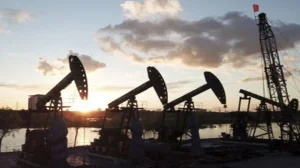
India is particularly affected by the conflict in Western Asia because it gets most of its energy from that area. About 55% of the crude oil India imports and over 90% of its liquefied petroleum gas (LPG) come from there, so the economy is vulnerable to delays in shipping and sudden price increases.
Moody’s says problems getting LPG deliveries are a short-term danger, and could mean people don’t have enough gas for cooking and transport costs will go up. This could then lead to higher prices for food, as India relies on imported fertilizers and the price of those will go up before farmers plant their crops.
Inflation (the rate at which prices increase) is currently under control, but the things that could cause it to go up have become more likely. Moody’s believes average inflation will be 4.8% in 2027, compared to 2.4% in 2026. Since the end of February, the price of crude oil around the world has risen along with the increased fighting in the region, and is adding to the pressure for prices to go up.
Higher energy costs also increase how much the government spends on subsidies for cooking gas and fertilizers. If these costs continue to be high, the government will have a difficult decision: protect people from high prices or continue to reduce its debt, especially if the cost of buying or transporting these items goes up further.
People’s budgets are already stretched because of higher prices for fuel, transport and basic foods. This might make them spend less on things they want rather than things they need, and that has been helping the economy to grow. For companies, smaller profits and a need for more money to operate could slow down new orders and hiring.
Moody’s thinks investments in fixed assets (things like buildings and machines) will slow down as costs of materials and borrowing money remain high. However, the government’s spending on infrastructure and efforts to make trade easier should help to lessen the impact on private investment in and through 2027.
Because of the potential for inflation to rise again, the monetary policy (how the Reserve Bank controls the money supply and interest rates) will likely be cautious. The current expectation is that the Reserve Bank will pause interest rate changes or slowly increase them in 2026 and 2027, depending on how long the energy price shocks last and how much they affect prices. If inflation falls more quickly, there would be more opportunity to lower interest rates later.
Fiscal math under pressure, debt path still credible
The government’s financial situation is becoming more difficult. Higher prices for oil, gas and fertilizer tend to increase the amount of money the government has to spend on subsidies, and reduce the amount of money it receives. Lower taxes on petrol and diesel will also reduce the amount of tax the government gets. Lower spending by people and lower profits for companies could also reduce money from GST and company taxes.
Moody’s says that increased spending and a weaker ability to raise revenue might slow down the government’s progress in reducing its debt unless it finds new ways to get money or reduce expenses. However, they do expect the government to continue to slowly reduce its debt towards its medium-term goal.
The government wants to reduce its debt to about t50% of the total economy (GDP) by 2031, compared to around 57% in 2025. To achieve this will require good quality spending on projects, predictable ways of providing subsidies, and taxes that increase as the economy grows.
External balances and trade headwinds
India’s position in relation to the rest of the world is relatively stable, but not completely unaffected. The current account deficit (the difference between how much the country earns from the world and how much it spends) narrowed to about 0.4% of GDP in 2025, helped by money from services and people sending money home. Moody’s thinks the deficit will widen to 1-1.5% in 2026 and 2027 as import costs go up.
Exports (goods and services sold to other countries) are likely to remain fairly steady, but higher prices for goods around the world and breaks in supply could make importing fuel and raw materials more expensive. Finding alternative supplies of fertilizer and gas might also be more costly, increasing the price of these when they arrive in India and upsetting the balance of trade.
The routes through Western Asia are very important for India’s agricultural exports, so any problems with them could reduce demand from other countries. Money sent home by people working in the Gulf countries is another risk – around 40% of this money comes from the Gulf, and if the job market there weakens, less money will be sent to India.
Despite these risks, India has a lot of foreign currency reserves, a strong service sector, and different ways of getting money, which help protect it. The government can also use specific import controls and ways to manage risks to reduce fluctuations if global prices go up again.
What to watch in the months ahead
The key things to watch are:
– How much crude oil and gas cost, how much shipping insurance is, and any more problems with getting LPG and fertilizer.
– How long the Iran-Israel war and the wider conflict in Western Asia last and how severe they are, especially the risks to important sea routes.
– How food prices in India change during the monsoon and rabi seasons, and how that interacts with the availability and cost of fertilizer.
– What the Reserve Bank does as inflation changes, along with how much credit is available and how much money people and small businesses have.
– How well the government spends money on projects, how well manufacturing is doing as a result of the Production Linked Incentive (PLI) scheme, and anything it does to help people who are struggling without stopping its efforts to reduce debt.
– How money from people working abroad, money from services and new orders for businesses change as demand around the world adjusts.
In conclusion, India’s economy is slowing down but not stopping. How it performs depends on energy prices, supply chains, and the government following a sensible financial plan. If the problems in Western Asia get better and the government continues with its reforms, the economy should be able to deal with 2027, although there is less and less room for mistakes.