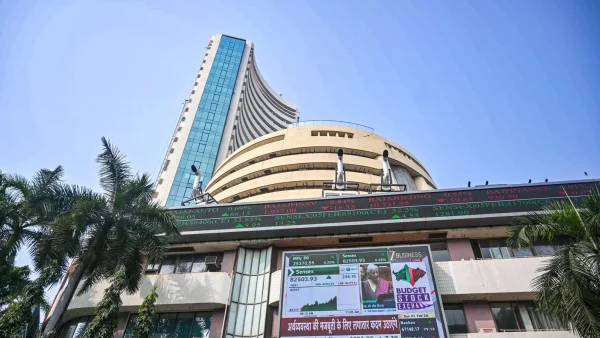
A recovery rally is happening on Dalal Street. After a big drop in value because of worry about global politics, Indian stocks made a quick return on Thursday. The Sensex rose to almost 79,647 – more than 500 points – and the Nifty 50 went past 24,650, ending losing runs for both of these key measures, and bringing back some desire for risk.
The increase added about Rs 3.9 lakh crore to the total value of all the companies listed on the BSE. While many stocks went up, the biggest companies were in front, which helped improve how people felt about all sectors, even with some continuing worry about oil prices, the rupee, and money coming from outside the country.
Five factors behind the rebound
1) Hopes of de-escalation eased risk premiums
Stocks found some stability because traders began to hope that the problems in the Middle East might become less serious, cutting down on the big dangers which had shocked global markets earlier in the week. Less change in markets and a more stable rupee also helped, even though foreign investors had still been selling more than they bought the day before.
Adani Ports, Reliance Industries, Bajaj Finance, and L&T all went up approximately 1 percent to 3 percent, making up for drops in some of the banking and technology industries. Some of the stocks which change in value the most also recovered, as people who buy when prices are low came in after the large fall in prices.
News of private efforts to reach out and possible chances for discussions between the main sides in the Middle East conflict lessened the most serious concerns. Markets usually change prices quickly when the big dangers people think about get smaller, and today was no different. Although there isn’t much official information, even a possible lessening of the conflict helped lower the pressure to sell.
Comments from the most important people in the U.S. government showed a willingness to protect routes for energy and stop wider problems. This showed that the government was determined, and reduced the extra risk price put into investments over the last few sessions.
2) Positive global cues lifted sentiment
Increases in the U.S. markets the night before, and a recovery in Asia, supported the rise. The Nasdaq and S&P 500 both closed higher, and the main markets in Asia opened with better results as the first panic about growth and conflict lessened. When global risky investments become stable, local markets often do the same – especially after they have been sold off a lot in technical terms.
The rise across all stocks also took pressure off money coming into emerging markets, and helped show that Thursday’s rise was part of a wider return to taking risks, rather than just a one-time jump.
3) Oil-route reassurances steadied energy fears
Energy markets stayed tight, but promises to keep shipping through important narrow passages helped. U.S. authorities showed support actions, including insurance and possible naval protection for tankers if needed. This lowered fears of a long-lasting shortage of supply from problems near the Strait of Hormuz. Since over twenty percent of the world’s oil travels through that area, even a little protection there could quickly make people feel better about the cost of crude oil, shipping, and what refineries charge. Investors in stocks were glad to see that government support might keep the worst energy price increases from happening.
4) A stronger rupee gave people more confidence
After falling to a new low the day before, the rupee began trading higher against the dollar. Although this rise wasn’t big compared to how much it had fallen recently, it eased worry about inflation from imports and the country’s payments to other countries. A stable currency also usually stops world funds from having to quickly sell off investments, and it makes it easier for companies with debt in foreign money to manage their finances.
What’s important is that investors in India continued to buy, even though investors from other countries had sold a lot the day before. This helped take up the supply and helped set prices as they went up.
5) Reliance taking the lead helped the indexes go up
Reliance Industries’ stock went up more than three percent, giving a lot of help to the main market measures. Research from the financial world showed that if the government does not put taxes on extra profits, the company’s earnings could go up a little bit with each small rise in refining profits.
Because Reliance is such a big part of the indexes, and because it gets money from energy, consumer goods, and digital businesses, a good result from this stock could cause more people to take risks, especially if other businesses that go up and down with the economy – like those making capital goods and industrial products – are also doing well.
Which sectors and stocks moved
Besides Reliance, Adani Ports, L&T, Bajaj Finance, NTPC, and Tata Steel all had good gains, showing people preferred infrastructure, utilities, and some financial companies. But, on the other hand, people taking profits hurt parts of IT and some banks; for example, TCS and ICICI Bank didn’t do as well.
India’s measure of how much the market goes up and down, the India VIX, fell almost ten percent to about 19 – a big fall after two days of sharp rises. Lower changes in the market usually help systematic and options-based plans which add a little more money to the market.
What investors should watch for next
After four days of losses, Thursday’s rise shows that how people had put their money in the market had become too much, and that markets still very much react to information and news. Because changes in the market are still high and there are policy risks, careful risk control and a focus on the strength of companies’ balance sheets remain very important as the Sensex and Nifty go through difficult, world-event-driven times.