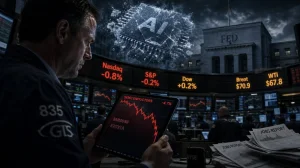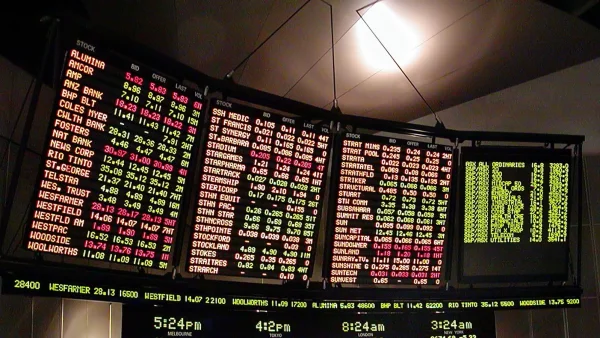
On Friday, Asian stocks decreased, and investors sold some holdings before the weekend while they waited for news on a possible extension of the US-Iran ceasefire. The MSCI Asia Pacific index dropped around 0.4 to 0.5 percent, stopping a brief increase that had pushed stock prices around the world to their highest points this week.
Regional market snapshot
S&P 500 futures went up a little, and Nasdaq 100 futures didn’t change much. This shows that investors in the US weren’t strongly leaning toward risk taking or avoiding risk before the market officially opened. Asian stock markets opened with lower prices after a ten-day increase in values worldwide. This happened as traders considered the latest news about the situation in the Middle East and weaker indications of inflation in the United States.
Gold and the US dollar were fairly stable, and government bonds didn’t move much either. The market is weighing the hope of less tension in the Middle East with the possibility that any peace won’t last. While the amount of price fluctuation stayed pretty much the same, buyers didn’t seem very confident as the weekend approached.
Oil reacts to ceasefire optimism
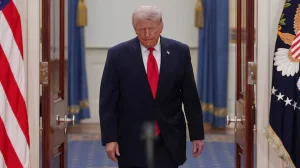
Brent crude, the standard global oil price, went down about 1.3 to 1.4 percent to roughly $98 a barrel after Donald Trump said a lasting ceasefire with Iran was “looking very good”. This statement lowered oil prices because investors think that if there’s peace, the risk of oil supplies being stopped by war will be less.
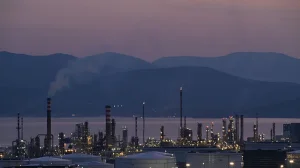
Traders believe a longer ceasefire could allow the Strait of Hormuz to reopen and allow a normal amount of crude oil to flow again. This would remove the extra cost that’s been added to oil since the conflict began. However, a lot depends on when and how long any agreement lasts, and whether all sides do what they say they will.
Strait of Hormuz implications for energy markets
The Strait of Hormuz is a very important, narrow passage for oil being shipped around the world. If it reopened, it would directly make it easier to ship oil, and would lower the costs of shipping and insurance. Lower risk associated with the actual oil itself usually shows up in future prices and helps to slow down the overall increase in prices.
Even if oil prices get lower, how quickly consumers and companies will see relief from that will depend on how much extra oil is available, how much oil refineries are processing, and how much oil is currently in storage. People in the market will watch how much oil is being shipped, what government officials in the area are saying, and trends in shipping insurance to be sure.
US economic data and corporate drivers
Information about the US economy that came out this week helped encourage investors to buy riskier things. Prices for what producers and importers pay were lower than expected, and the number of people filing for unemployment benefits was lower than expected, suggesting that inflation may be going down. These figures helped the general increase in stock prices and reduced the demand for the dollar as a safe place to put money.
Banks and other financial companies had mixed results when they reported their earnings. One large company that holds people’s money did better than expected with its income from interest and authorized a large repurchase of its own stock, while another company didn’t reach its revenue goals even though a lot of new money was being invested. Advice about the future from a major streaming company after trading hours negatively affected how people felt about the market.
Market sentiment and downside risks
People at the International Monetary Fund and other organizations have cautioned that the market might not be seeing how much the conflict is really hurting the economy and that we should be careful. Traders told those who follow the market that certain prices and a feeling of being tired of the headlines could hide a quick and large change in prices if the talks break down.
People watching the market also said that the dollar’s increase in value as a safe investment seems to have stopped. Some banks say the dollar’s strength during the conflict may be over because investors are now moving money back into riskier investments. But if the ceasefire breaks down or fighting starts again, that trend would likely be reversed.
Investor outlook and near term focus
Investors will carefully follow the diplomatic conversations to see if the Strait of Hormuz can reopen and if the terms of any agreement will be followed. Over the next few days, the biggest things that will affect the market will be how oil prices change, numbers about the US economy, and updates from companies about their earnings which will show how much things are growing.
Because of the current uncertainty, investors might be cautious and use price swings to find certain chances to buy. If the talks make clear and confirmed progress, investors will probably be more willing to take risks and energy-related companies will likely increase in value. If the talks fail, investors will likely prefer safer investments.