The 2026 observance gets underway on July 15 for nine days of unobtrusive devotion. You won’t find the same kind of public spirit as in other Navratris; here, the spiritual seeker is left to his or her own devices with mantra japa and the like. The point is to be transformed, not to make a scene, so the rituals are kept to oneself.
Key dates, timings and what starts when
It is a Wednesday, July 15, through to Thursday, July 23, that marks the span of this year’s Gupt Navratri, in step with the Pratipada Tithi of Shukla Paksha in Ashadha. For those in mind to do ghat sthapana, the window is 5:33 to 10:09 a.m. on the 15th. Then there is the monsoon in Ashadha to set a tone of renewal.
A few of the must-knows on the calendar:
– From Wednesday, July 15, to Thursday, July 23.
– Ghat sthapana: 5:33 a.m. to 10:09 a.m., July 15.
– Marked by the Pratipada Tithi of Shukla Paksha.
– In the month of Ashadha, with the monsoon in full swing.
Why it is called ‘gupt’ and how to read that
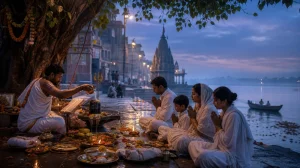
Gupt means hidden. The idea is that what one does in private during these nine days carries more weight. Chaitra and Shardiya Navratri have their share of fanfare, but this is for the individual, the kind of thing one does with a low profile and some reflection.
There are four Navratris in a year. Two are for the public to see, the other two in Ashadha and Magha are for the more serious sadhaka who would rather not be put off by social niceties.
On worship and the right mantras
This is the time to pay respects to Durga and the Dasha Mahavidyas, the ten forms of the Divine Mother. One might be heard with the Beej mantras of Maa Mahalakshmi or the Dasha Mahavidyas. In the Hindu view, to meditate and chant with purpose in these days is to be in an especially fortunate position.
What the practitioners have to say about discipline
Yuvika Dhar, a teacher in the field, puts it down to inner alchemy. She would have the seeker step back from the noise of the outside world. A little retreat is necessary to put aside the energy needed for a true connection with the self.
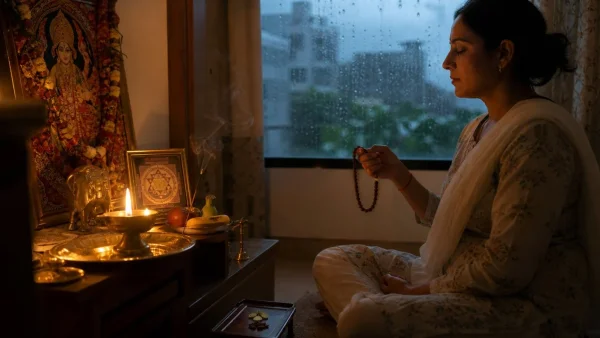
She keeps her advice to the essentials: a bath, an akhanda diya, a bit of naivedya and then some steady japa with a Rudraksha or the fingers. Sincerity is what counts, not how well one has put on a ceremony.
Yuvika is also for a clear head and body. That means light food, no alcohol, some yoga and breathwork and a good deal of silence. It is all in the name of finding peace and a bit of grace.
Old ways of thinking and a ritual by the bed
Pandit Kalki Ram of Ayodhya will tell you Gupt Navratri is for the doing of things like tantric worship and mantra sadhana. If one is consistent, the belief goes, the Goddess will be there to offer some protection and well-being in the face of life’s difficulties.
Then there is the matter of the bedside rite. For nine nights, a few put out two cardamoms, two peppercorns and two cloves before they go to sleep. The tenth day sees them in the water. It is a question of faith, not something one can put under a microscope.
Keeping to it at home
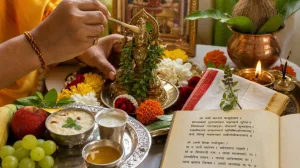
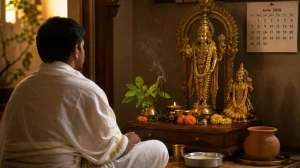
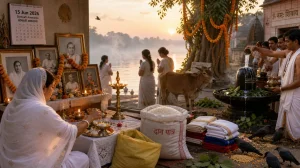
In most homes the festival is handled in a straightforward, if contemplative, manner. Fasting, a puja in the corner of the room, some japa, a small havan or a page of scripture to get some direction – these are the order of the day.
You will come across such things as:
– A fast, to the extent one can manage
– Durga Puja at the home altar
– Some time with the eyes closed and a mantra in mind
– A havan, for those with the know-how
– The odd devotional text for a word of wisdom
In the end, Gupt Navratri is an invitation to put the brakes on and see what is there. With the 15th of July 2026 coming up, there is a fair number of people making ready to spend the next nine days with some restraint and a clear head.