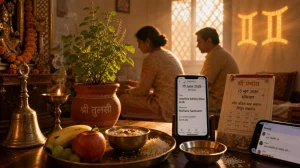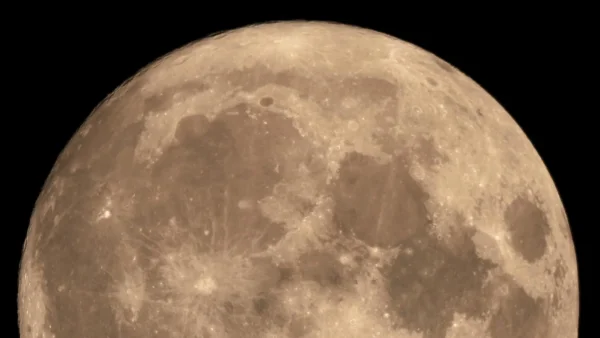
Jyeshtha Purnima is back on Monday, 29 June 2026. The Purnima Tithi starts at first light and the Moon comes up at 7:16 pm, so there is plenty of time to get ready for the puja, the rituals and your evening offering. It’s all about the merit and the wellbeing of the family.
When and how to observe
According to the Hindu Panchang, you have a two-day window for the full moon. People will be at it from before the sun is up and well into the night, making sure to be there for Arghya at Moonrise.
Here are the times you need to know:
– Purnima Tithi in: 3:06 am, 29 June 2026
– Purnima Tithi out: 5:26 am, 30 June 2026
– Moonrise on Purnima: 7:16 pm, 29 June
A fast is kept from one end of the day to the other while you do your puja to Lord Vishnu as Satyanarayan. There is also room for some words to Lord Shiva, the Goddesses Parvati and Lakshmi, and Lord Chandra for a bit of peace and prosperity to go around.
Why Jyeshtha Purnima matters
We revere Purnima every month, but this one has more of a presence to it. Known to most as Vat Purnima, and with Jyeshtha being the eldest, it is a moment for some extra resolve and good omens.
You can read in the Bhavishya, Skanda, Padma or Nadir Puranas, even the Mahabharata, about the kind of spiritual return you get from this fast. It is thought to clear the slate of old sins and bring in some clarity and luck.
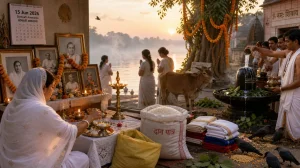
Worship is put in for Lord Satyanarayan. Some will make a trip to a Radha Krishna temple; others find it worth their while to pay respects to Shiva and Parvati. If you can, a dip in the Ganga is hard to pass up.
Vat Purnima on the same day
This year they fall on top of each other. Married women will be on a fast, with prayers for their husband’s long life. It is also a strong day to ask for a little divine cover and to make some headway, both in the world and in the spirit.
Simple home puja flow
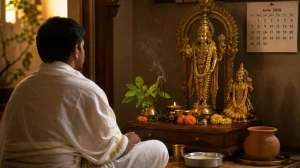
If you are doing things from home, you can be devotional without overcomplicating it. Have a bath at dawn; if you can’t make it to the river, a bit of Gangajal in the water does the trick.
To set up for some undivided attention to the deities, you will want these on hand:
– A clean house and puja area.
– An image of Lord Vishnu and Lakshmi, or a Shree Yantra.
– A diya with desi ghee and a kalash.
– A garland of yellow flowers.
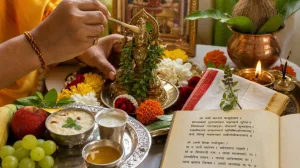
– Prasad like Panjeeri, Kheer, Panchamrit, banana or Tulsi leaves.
– The Satyanarayan Katha and an aarti.
– Some bhog and then Arghya for the Moon.
‘Om Jai Jagdish Hare’ and ‘Jai Laxmi Ramana’ are among the aartis you might hear. Put a little prasad in the kalash and that water is for the Moon God later on. Do the Satyanarayan Puja when you can, just make sure it is done before the moon is up.
Fasting, evening Arghya and Parana
The Upavasa for Jyeshtha Purnima is on 29 June 2026, the Monday. For a lot of people, that means a vrat from morning till night, some quiet time with the Purnima Vrat Katha and a bit of chanting. Then in the evening you have your Arghya for Lord Chandra, which is especially good on a night like this.
After the Arghya, it is time for Parana. But first, you put in an offering of food, rice, sesame, ghee or clothing to the Lord for a blessing. Once you are through with the formalities, you break the fast with something sattvik.
There is a sense of inner growth and of looking for prosperity with the gods’ help in this full moon. In many homes, it is where you mix in some community with your faith and give thanks for another month of discipline.